
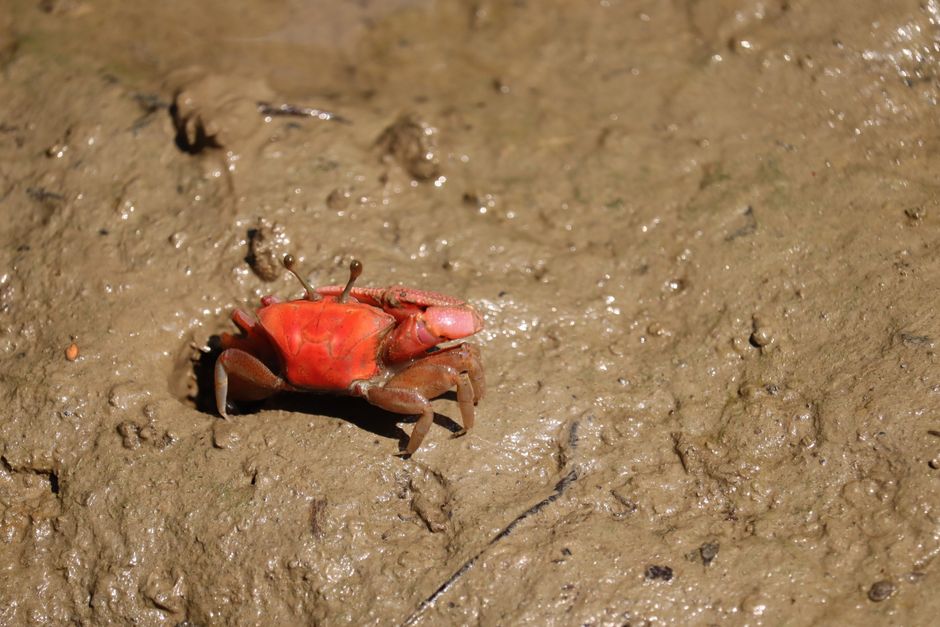
The short answer is yes, many crabs are bottom feeders. But the full truth is more interesting. Most crabs eat whatever they find on the ocean floor. That includes dead fish, algae, worms, and small shellfish. However, not all crabs eat the same things. Some hunt live prey. Some are picky eaters. And some are actually important cleaners of the ocean. Calling all crabs “bottom feeders” misses a lot of what makes them fascinating. Let’s look at what science actually says about what crabs eat.
What Does “Bottom Feeder” Really Mean for Crabs?
The term “bottom feeder” sounds unappealing to many people. In biology, it simply means an animal that gets its food from the bottom of a body of water. Crabs are perfectly built for this. They live on the seafloor, lakebed, or riverbed. Their claws help them grab food. Their legs let them walk along the bottom searching for meals.
But here is where the confusion starts. People often think bottom feeders only eat garbage or waste. That is not true for most crabs. Crabs are scavengers and predators. Scavengers eat dead animals they find. Predators hunt and catch live prey. Most crabs do both. Research shows that crabs like the blue crab eat fresh meat whenever they can get it. They prefer live clams or small fish over dead scraps. So while crabs do feed on the bottom, they are not just eating trash.
Are All Crabs Bottom Feeders The Truth About Their Diet?
No, not all crabs are bottom feeders in the way people imagine. Many crabs are actually omnivores. They eat both plants and animals. Some crabs eat mostly algae and seagrass. Others eat small fish, worms, and shrimp. A few crabs are even filter feeders. They wave their mouthparts in the water to catch tiny floating food particles.
Consider the snow crab found in cold northern waters. Studies have found that snow crabs eat mostly brittle stars, small clams, and worms they dig out of the sediment. They are bottom feeders, but their diet is surprisingly diverse. On the other hand, the coconut crab lives on land and climbs trees to get fruit. It rarely touches the ocean floor at all. So the blanket statement that all crabs are bottom feeders is simply incorrect. Their diet depends on the species, the habitat, and what food is available.
What Does Research Show About Crabs Eating Dead Things?
One of the biggest myths is that crabs only eat rotting dead animals. Research shows this is not the whole picture. Crabs do eat carrion (dead animals) when they find it. But they prefer fresh food. Scientists have watched blue crabs in the wild. When offered a choice between a dead fish and a live clam, the crabs consistently chose the live clam. They have the tools to break open shells and catch moving prey.
That said, eating dead things serves an important purpose. Crabs act as the ocean’s cleanup crew. They remove dead fish and other carcasses from the seafloor. Without crabs, those dead animals would rot and pollute the water. As of 2026, current research suggests that crabs are essential for keeping marine ecosystems healthy. They recycle nutrients back into the food web. So even when they eat dead things, they are doing a job that benefits everything else in the ocean.



How Do Different Crab Species Compare in Their Diets?
Different crabs eat very different things. Here is a quick comparison of common crab species and what research shows they actually eat:
| Crab Species | Primary Diet | Feeding Style |
|---|---|---|
| Blue Crab | Live clams, small fish, worms, dead animals | Predator and scavenger |
| Dungeness Crab | Clams, crabs, fish, squid, dead matter | Predator and scavenger |
| Snow Crab | Brittle stars, clams, worms, sea urchins | Bottom predator |
| Hermit Crab | Algae, dead fish, small invertebrates | Scavenger and grazer |
| Coconut Crab | Fruit, nuts, leaves, dead animals | Land forager |
| Spider Crab | Algae, small animals, dead fish | Grazer and scavenger |
Notice that most crabs eat a mix of live and dead food. None of them are pure scavengers that only eat waste. The Dungeness crab, for example, is an active hunter. It uses its strong claws to crush clam shells. It also eats smaller crabs and fish. The hermit crab is more of a generalist. It picks at algae and eats whatever dead matter it finds. But even hermit crabs will hunt small snails if given the chance.
What Are the Common Misconceptions About Crabs as Bottom Feeders?
Several myths about crabs and their diet keep spreading. Here are the most common ones and what the evidence actually shows:
- Myth: Crabs only eat garbage and waste. Reality: Most crabs prefer fresh food. They eat dead animals only when live prey is scarce.
- Myth: Eating dead things makes crabs dirty or unhealthy. Reality: Crabs have strong immune systems. Their digestive systems handle bacteria from decaying matter just fine. They are not “dirty” animals.
- Myth: All crabs are bottom feeders. Reality: Many crabs live on the bottom, but some live in trees, on land, or in coral reefs. Their diets vary widely.
- Myth: Bottom feeding means crabs eat mud or dirt. Reality: Crabs may swallow sediment while eating, but they digest organic matter from it. They do not eat mud for nutrition.
- Myth: Crabs are at the bottom of the food chain. Reality: Crabs are mid-level predators. They eat smaller animals and are eaten by larger fish, octopuses, and seabirds.
These misconceptions matter because they affect how people view crabs. If you think crabs are just garbage eaters, you might not see their value. In truth, crabs are active, intelligent animals that play a key role in their ecosystems. Some people even keep crabs as pets and report they recognize their owners and learn feeding routines.
What Should You Know About Eating Crabs That Are Bottom Feeders?
Many people worry about eating crabs because they are bottom feeders. The concern is that these animals might accumulate toxins from polluted water or dead matter. This is a reasonable question. Research shows that crabs do store some heavy metals and pollutants in their tissues, especially in their hepatopancreas (the green organ sometimes called “mustard” or “tomalley”).
However, the meat from the claws, legs, and body is generally safe to eat. Studies have found that pollutant levels in crab meat are low in most commercial crab fisheries. The bigger risk comes from eating the internal organs of crabs caught in polluted waters. Government agencies like the FDA and EPA set guidelines for safe consumption. As a general rule, cleaning crabs thoroughly and eating only the white meat reduces any risk.
Some people also wonder if bottom feeding makes crabs taste bad. Chefs and food scientists say no. The flavor of crab meat comes from what the crab ate recently. Crabs that eat a diverse diet of shellfish and small fish tend to have sweeter, more complex meat. Crabs fed on fish waste or artificial feed in farms can taste different. But wild crabs that are bottom feeders in clean waters are prized for their flavor. The Dungeness crab and blue crab are both bottom feeders, and they are among the most popular seafood in the world.
Frequently Asked Questions
Do crabs eat their own kind?
Yes, many crabs are cannibals. They will eat smaller or weaker crabs, especially when food is scarce or in crowded conditions.
Are crabs scavengers or predators?
Most crabs are both. They hunt live prey when they can and scavenge dead animals when necessary. Their feeding style depends on what is available.
Can crabs eat food that is rotting?
Crabs can eat decaying matter, but they prefer fresh food. Their digestive systems can handle some bacteria from rotting material without getting sick.
What do pet crabs eat?
Pet crabs eat a mix of commercial crab food, vegetables, fruits, and small amounts of protein like shrimp or fish flakes. They need a balanced diet just like any other pet.
