
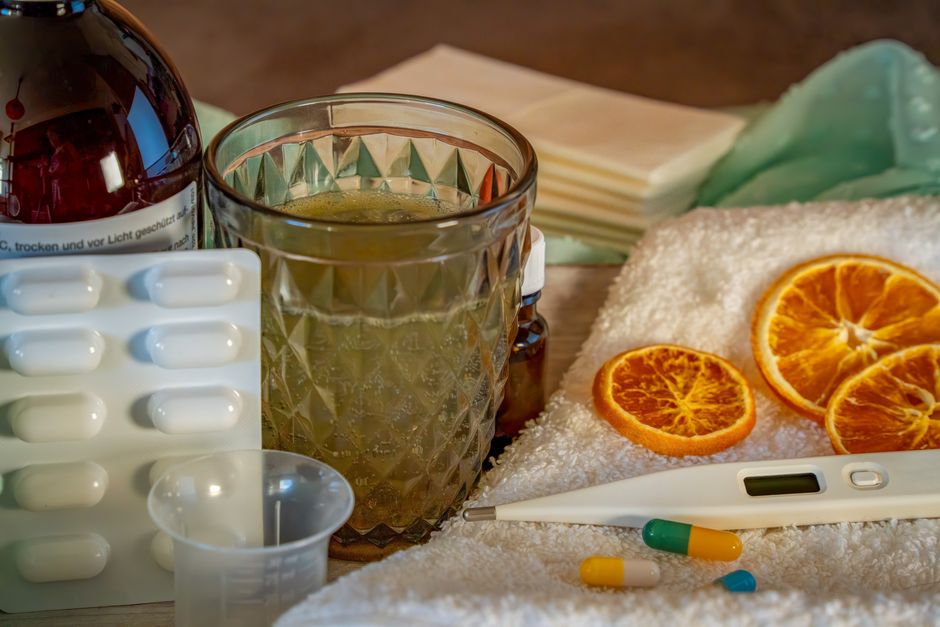
You wake up with a scratchy throat, a stuffy nose, and that familiar achy feeling. The common cold has arrived. There is no cure, but you can manage the symptoms and feel better faster. The best approach is rest, fluids, and over-the-counter remedies for specific symptoms. Avoid antibiotics — they do not work on viruses. And skip the vitamin C megadoses; the evidence for them is weak.
What Actually Works to Shorten a Cold?
Let’s start with what the science says. The common cold is caused by a virus, most often rhinovirus. Your immune system fights it, and that takes time. Most colds last 7 to 10 days. Nothing will make it disappear overnight.
Some things do help your body fight the infection more efficiently. Zinc lozenges taken within 24 hours of symptoms starting may shorten a cold by about a day. Research published in the Cochrane Database of Systematic Reviews found that zinc reduces the duration of cold symptoms. But the effect is modest. And zinc can cause nausea or a bad taste in your mouth.
Honey is another option with real evidence behind it. A study in the journal BMJ Evidence-Based Medicine found that honey was better than usual care for relieving cough symptoms. It is also safe for adults and children over age one. A spoonful at bedtime can help you sleep better.
Nasal saline rinses can relieve congestion. They flush out mucus and viruses. The evidence is not strong for shortening illness, but many people find them soothing. Use distilled or boiled water to make the rinse.
Does Chicken Soup Really Help?
This is not just an old wives’ tale. Research from the University of Nebraska Medical Center found that chicken soup has mild anti-inflammatory effects. It may reduce the movement of neutrophils, which are immune cells that cause some cold symptoms like congestion.
The soup also provides hydration and warmth. Warm liquids thin mucus, making it easier to clear your airways. Broth, tea, or even warm water with lemon can do the same thing. There is no magic ingredient in chicken soup specifically, but it is a good choice if you feel like eating.
Do not expect chicken soup to cure you. It will not shorten your cold. But it can make you more comfortable while you recover.
What About Vitamin C, Zinc, and Echinacea?
These are the most popular cold remedies. The evidence for each is different.
Vitamin C. Taking vitamin C regularly — every day, not just when you are sick — might slightly reduce cold duration. But the effect is small. A Cochrane review found that regular supplementation shortened colds by about 8% in adults. That is not much. Taking vitamin C only after symptoms start does not help at all. If you already eat fruits and vegetables, you likely get enough.
Zinc. As mentioned earlier, zinc lozenges taken at the start of symptoms can shorten a cold by about a day. But zinc nasal sprays have been linked to permanent loss of smell. Avoid those. Zinc lozenges are safe for short-term use, but do not take them for more than a week.
Echinacea. The evidence here is mixed. Some studies suggest echinacea may reduce the chance of catching a cold or shorten its duration. But many high-quality trials show no benefit. The National Center for Complementary and Integrative Health states that the evidence is inconsistent. If you use it, choose a product with a standardized extract. Do not rely on it as your main defense.
| Remedy | Evidence Level | What It Does |
|---|---|---|
| Zinc lozenges | Moderate | May shorten cold by ~1 day if taken within 24 hours |
| Vitamin C (daily) | Weak | Small reduction in duration; no benefit if started after symptoms |
| Echinacea | Mixed | Some studies show benefit, many do not |
| Honey | Moderate | Better than usual care for nighttime cough |
| Chicken soup | Weak | Mild anti-inflammatory effect; provides hydration |





What Should You Avoid When You Have a Cold?
A few things are popular but not helpful — or even harmful.
Antibiotics. These only work against bacteria. Colds are viral. Taking antibiotics for a cold does nothing and contributes to antibiotic resistance. The CDC is clear on this. Do not ask your doctor for them.
Decongestant nasal sprays. Products like oxymetazoline (Afrin) work well for a few days. But using them longer than three days can cause rebound congestion. Your nose gets more blocked than before. Stick to oral decongestants like pseudoephedrine if you need them, and follow the label.
Alcohol. It dehydrates you and can worsen congestion. It also suppresses your immune system temporarily. Skip the nightcap while you are sick.
Smoking and vaping. These irritate your airways and make coughing worse. If you smoke, this is a good time to cut back or quit. Your body will thank you.
Overuse of combination cold medicines. Many products contain multiple ingredients. You might end up taking a pain reliever, a cough suppressant, and a decongestant when you only need one. This increases the risk of side effects. Pick a product that targets your specific symptoms, not one that treats everything.
When Should You See a Doctor?
Most colds do not need medical attention. But some symptoms warrant a call to your doctor.
See a doctor if you have a fever above 101.3°F (38.5°C) that lasts more than three days. Also seek care if you have severe headache, chest pain, shortness of breath, or confusion. These could be signs of something more serious like the flu or pneumonia.
Children with colds need extra attention. Call your pediatrician if a child under three months has a fever of 100.4°F (38°C) or higher. For older children, watch for trouble breathing, dehydration, or a fever that does not respond to medication.
Trust your instincts. If you feel something is wrong, it is better to check with a professional. The National Institutes of Health recommends seeing a doctor if symptoms worsen after day five or if they last longer than ten days.
What Do Do When You Have A Cold — Practical Steps
Here is a simple plan based on what the evidence shows.
- Rest as much as you can. Your body needs energy to fight the virus.
- Drink plenty of fluids. Water, herbal tea, and broth keep you hydrated. Avoid sugary drinks.
- Use a humidifier or take a steamy shower. Moist air helps loosen congestion.
- Take over-the-counter pain relievers like acetaminophen or ibuprofen for fever and aches. Follow the label dosing.
- Consider zinc lozenges within the first 24 hours if you want to try shortening the illness.
- Use honey for cough, especially at night. One teaspoon is enough for adults.
- Gargle with salt water for a sore throat. Mix half a teaspoon of salt in a cup of warm water.
- Blow your nose gently. Forceful blowing can push mucus into your sinuses.
Most colds resolve on their own. Your job is to support your body and stay comfortable while it works.
Frequently Asked Questions
Can I exercise with a cold?
Light exercise is fine if symptoms are above the neck — runny nose, sore throat. Skip exercise if you have fever, chest congestion, or body aches.
How long am I contagious with a cold?
You are contagious from one day before symptoms start until about five to seven days after. The first two to three days of symptoms are when you are most likely to spread the virus.
Is it safe to take cold medicine with high blood pressure?
Some decongestants like pseudoephedrine can raise blood pressure. Look for products labeled “decongestant-free” or ask your pharmacist for a safe option.
Does getting cold weather cause a cold?
No. Cold weather does not cause colds. Viruses do. Being cold may weaken your immune response slightly, but exposure to the virus is what matters.
