
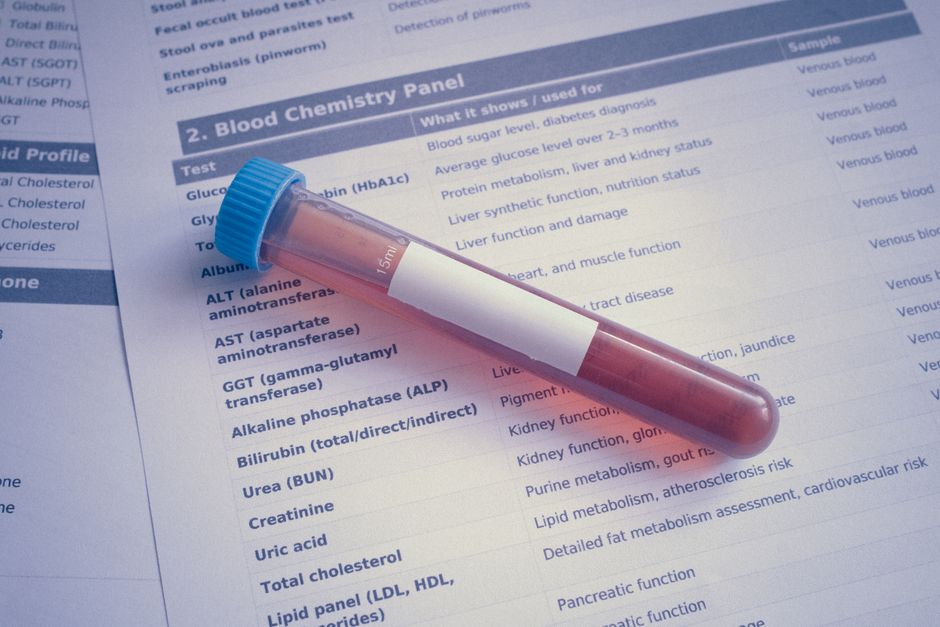
A blood test is one of the most common and informative tools a doctor uses to check your health. It provides a detailed look at what is happening inside your body by measuring specific components of your blood, such as cells, chemicals, and proteins. These results can help detect diseases early, monitor chronic conditions, and evaluate how well your organs are functioning.
What Exactly Are Blood Tests Looking For?
Blood tests analyze the liquid part of your blood (plasma) and the solid components (red blood cells, white blood cells, and platelets). Each test measures different markers that act like a status report for various body systems. The specific markers a doctor checks depend on your symptoms, age, and medical history.
There is no single test that checks everything. Instead, doctors order panels that group related tests together, such as a complete blood count (CBC) or a comprehensive metabolic panel (CMP). These panels provide a broad overview of your health, which is why they are standard during annual physicals.
What Do Blood Tests Show About Your Organs?
Blood tests are often used to evaluate the health of major organs like the liver, kidneys, and thyroid. The liver releases specific enzymes into the blood when it is stressed or damaged. High levels of enzymes like ALT and AST can indicate liver inflammation or injury, which might be caused by fatty liver disease, alcohol use, or a viral infection.
Kidney function is assessed by measuring waste products that your kidneys are supposed to filter out. Two key markers are creatinine and blood urea nitrogen (BUN). If these levels are higher than normal, it suggests the kidneys are not clearing waste effectively. This is a common finding in dehydration, but it can also signal chronic kidney disease, so doctors rarely interpret these numbers alone.
Thyroid function tests measure hormones like TSH (thyroid-stimulating hormone). This test is highly sensitive. If your TSH is high, your pituitary gland is working hard to stimulate a sluggish thyroid. If it is low, your thyroid may be overactive. These tests help diagnose conditions like hypothyroidism and hyperthyroidism, which affect energy, weight, and heart rate.
How Blood Tests Detect Infection and Anemia
A complete blood count (CBC) is the most frequently ordered blood test. It measures red blood cells, white blood cells, and platelets. Red blood cells carry oxygen. If your count or hemoglobin level is low, you have anemia, which causes fatigue and weakness. Anemia can result from iron deficiency, vitamin B12 deficiency, or internal bleeding.
White blood cells are your immune system’s defense force. A high white blood cell count often points to an active infection, such as a bacterial infection like strep throat or appendicitis. It can also occur with inflammation or as a reaction to certain medications. Platelets help your blood clot. Abnormally low platelet levels increase bleeding risk, while very high levels can raise clotting risk.
Doctors also use blood tests to check for markers of inflammation. The C-reactive protein (CRP) test measures a protein your liver produces in response to inflammation. This test is non-specific—it tells your doctor inflammation exists but not where it is. It is useful for monitoring autoimmune diseases like rheumatoid arthritis or checking for post-surgical infections.





Blood Sugar and Cholesterol: The Metabolic Picture
Blood tests are central to diagnosing and managing metabolic conditions. A fasting blood glucose test measures your blood sugar after you have not eaten for at least 8 hours. A normal fasting glucose range is 70 to 99 mg/dL. A reading of 126 mg/dL or higher on two separate tests indicates diabetes. This is a well-established diagnostic criterion used by major medical organizations.
Another important test is the hemoglobin A1c. This measures your average blood sugar control over the past two to three months. It does this by showing how much glucose has attached to your red blood cells. An A1c level of 6.5% or higher confirms diabetes. This test is essential for monitoring how well treatment is working in people already diagnosed with diabetes.
Cholesterol panels measure different types of fats in your blood. They check LDL (“bad”) cholesterol, HDL (“good”) cholesterol, and triglycerides. High LDL cholesterol is a major risk factor for heart disease and stroke because it contributes to plaque buildup in arteries. Your doctor uses these numbers alongside other risk factors like blood pressure and smoking history to estimate your overall cardiovascular risk.
What Do Blood Tests Show for Nutrient Deficiencies?
Blood tests can identify specific vitamin and mineral deficiencies before symptoms become severe. Iron studies measure ferritin, which is your body’s stored iron. Low ferritin is one of the earliest signs of iron deficiency. Vitamin D levels can be measured directly, and many adults in the US are found to have insufficient levels, especially during winter months.
Vitamin B12 and folate deficiencies are also detectable through blood tests. These deficiencies can cause neurological symptoms like tingling in the hands and feet, memory problems, and fatigue. Identifying these deficiencies through testing allows for targeted supplementation, which is far more effective than taking multivitamins blindly.
It is important to note that not all nutrient tests are equally reliable. Some commercial tests claim to measure intracellular nutrient levels or provide exhaustive vitamin panels, but many lack strong clinical validation. Standard serum tests for iron, B12, folate, and vitamin D are well-established. For other nutrients, the evidence supporting routine testing is thinner, and results can be misleading.
Interpreting Results: What Is Normal and What Is Not
Blood test results are compared against reference ranges. These ranges represent the values found in 95% of a healthy population. They vary by age, sex, and the specific laboratory processing the sample. A result slightly outside the reference range does not automatically mean you are sick. It may reflect normal biological variation, recent food intake, stress, or even the time of day the blood was drawn.
Doctors look at patterns rather than single out-of-range values. For example, a mildly elevated liver enzyme might be concerning if your other liver markers are also elevated, but less so if you just completed an intense workout. This is why you should never try to interpret your results alone. Your doctor considers your entire clinical picture, including symptoms, medical history, and other tests.
False positives and false negatives do occur. A false positive means the test says something is wrong when it is not. A false negative means the test misses a problem. No blood test is 100% accurate. This is why doctors often repeat abnormal results before making a diagnosis or ordering more specific follow-up tests.
Limitations: What Blood Tests Cannot Tell You
While blood tests are powerful, they have significant limitations. They provide a snapshot of your health at one moment in time. They cannot diagnose every condition. For example, standard blood tests do not detect many cancers, neurological diseases like Alzheimer’s, or structural problems like a torn ligament or kidney stone.
Blood tests also cannot tell you how you feel. You can have normal blood work while still experiencing fatigue, pain, or other symptoms. Conversely, you can have abnormal blood work and feel perfectly fine. These tests are tools that support clinical judgment—they do not replace it. A thorough physical exam and detailed conversation with your doctor are always necessary.
It is also worth noting that some direct-to-consumer blood testing services market extensive panels that may not be medically necessary. While these services can provide data, they often lack the context a physician provides. Some research suggests that testing for certain markers without a clinical reason can lead to unnecessary worry, follow-up tests, and even procedures that carry their own risks.
Frequently Asked Questions
How often should I get routine blood tests?
For healthy adults, an annual blood panel during a routine physical is common clinical practice. If you have a chronic condition like diabetes or high cholesterol, your doctor may recommend testing every three to six months.
Do I need to fast before a blood test?
It depends on the specific test. Fasting is required for accurate fasting glucose and lipid panels, typically for 8 to 12 hours beforehand. Many other tests, like a CBC, do not require fasting, but always follow your doctor’s specific instructions.
Can blood tests detect cancer?
Some blood tests can detect markers associated with certain cancers, but they are usually not used alone for diagnosis. They are more commonly used to monitor treatment response or detect recurrence in people already diagnosed with cancer.
Why do my results show slightly out-of-range values?
Slight deviations from the reference range are common and often have no medical significance. Factors like hydration, recent meals, stress, and time of day can influence results. Your doctor will determine whether a repeat test or further investigation is needed based on the full picture.
