
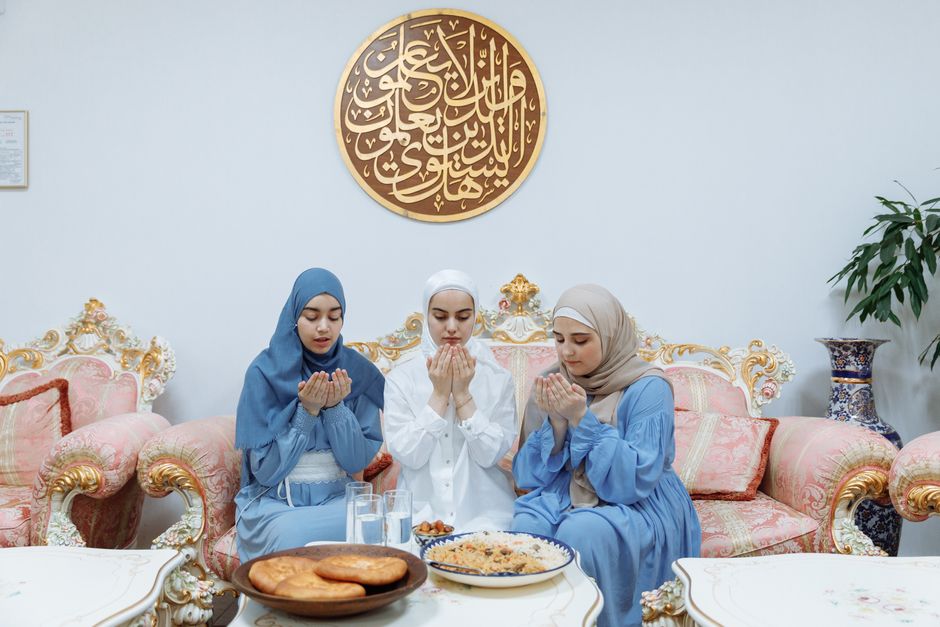
During Ramadan, many people who fast from dawn to sunset wonder whether their usual blood tests will still be accurate. The short answer: a fasting blood test during Ramadan is usually done in the early morning, before the pre-dawn meal (suhoor), or any time after roughly 8 to 12 hours of fasting. What matters most is not the clock on the wall but how long you have gone without eating.
Most clinical labs define a proper fasting sample as one taken after at least 8 hours without calories. Because Ramadan shifts when people eat, that window often falls in the early morning hours, right before suhoor is eaten or shortly after it. A test taken later in the day, after many hours without food, is also technically fasting — but it may be affected by dehydration, sleep changes, and the timing of your medication.
What Time Is Fasting Ramadan Blood Tests More Accurate?
Accuracy depends on the length of the fast, not on the time of day. A blood draw taken after 8 to 12 hours without food gives reliable results for most standard fasting tests.
During Ramadan, the fast itself runs from dawn until sunset, which is usually longer than 12 hours. That means a sample drawn in the afternoon is still “fasting” by lab standards. But longer is not always better. Once fasting stretches past about 14 hours, some values begin to drift. Blood sugar can fall further. Fat breakdown increases. These shifts can make certain results harder to interpret.
The most practical approach is to schedule the draw in the morning, before suhoor or within the first couple of hours after it. This mirrors a normal overnight fast and keeps conditions close to what the lab expects.
One detail people often miss: drinking water does not break a fast for blood test purposes. Staying hydrated before the draw can actually make the sample easier to collect and can reduce false changes in some measurements.
Which Blood Tests Actually Require Fasting?
Far fewer tests need fasting than most people assume. The fasting requirement applies to a specific group of measurements, not to blood tests in general.
The tests most commonly affected include:
- Fasting glucose — used to screen for diabetes and prediabetes.
- Fasting lipid panel — cholesterol and triglycerides, which rise after eating.
- Fasting insulin — sometimes ordered with glucose.
- Glucose tolerance tests — these follow a specific timed protocol and are not simply “fasting” tests.
Many other tests do not require fasting at all. A complete blood count, thyroid function tests, most liver and kidney panels, vitamin levels, and inflammatory markers can usually be drawn without regard to food. Some lab reference ranges are even based on non-fasting samples.
If you are unsure whether your specific test needs fasting, the ordering clinician or the lab performing the draw is the right source. Requirements vary between labs and between individual tests.
Does Fasting During Ramadan Change Your Results?
Yes, prolonged fasting can shift some values, and the changes are usually small but real. Knowing which ones move helps you and your clinician read the results correctly.
Blood glucose tends to run lower during a Ramadan fast, especially later in the day. For a person without diabetes, this usually stays within a normal range. For someone taking glucose-lowering medication, the drop can be more significant — which is why medication timing often needs review before Ramadan.
Triglycerides may actually look better after a long fast, since they fall with extended fasting. That can make a lipid panel look more favorable than a typical sample would.
Dehydration is the bigger variable. Many people drink less total fluid during Ramadan, and mild dehydration can concentrate the blood. That can nudge certain measurements, including some kidney markers, upward without any underlying problem.
Sleep timing also changes during Ramadan. Sleep disruption is known to affect glucose metabolism and appetite hormones, so results can reflect disrupted sleep as much as diet.
How Should You Prepare for a Ramadan Fasting Blood Test?
Preparation mostly means controlling the variables you can control. The goal is to make your sample as close to a standard fasting sample as possible.
- Schedule the draw in the morning, before suhoor or shortly after it.
- Drink water during the allowed window so you are not dehydrated at the draw.
- Avoid heavy, very fatty, or very sugary foods at suhoor if the test is soon after.
- Do not skip prescribed medication unless a clinician has told you to change the timing.
- Tell the lab staff that you are fasting for Ramadan so they can note it.
Medication timing is the part that needs a clinician’s input, not guesswork. Some drugs are best taken with food, and shifting them around a Ramadan fast can change how they work. This is especially true for diabetes medications, blood pressure drugs, and thyroid replacement. Do not rearrange doses on your own.
If you take thyroid medication, for example, it is typically taken on an empty stomach and then followed by a waiting period before eating. Fitting that into a Ramadan schedule takes planning, and the timing should be confirmed with the prescribing clinician.
Can You Take a Blood Test While Fasting for Ramadan?
Yes. Drawing blood does not break the fast. The small amount of blood taken for a test has no nutritional value and does not affect the fast in any religious or medical sense.
This is a common worry, and it is worth stating plainly. Having blood drawn is not eating or drinking. It does not provide calories, and it does not require swallowing anything.
The one practical caution is how you feel. If you are prone to lightheadedness or have low blood pressure, a blood draw late in a long fast day can make you feel faint. Morning draws, before the fast has stretched too long, tend to be easier on the body.
Some people also worry that the small fluid loss from a blood draw matters. For a standard test, the volume is tiny and does not meaningfully affect hydration.
What If You Have Diabetes and Fast During Ramadan?
This group needs the most careful planning, and the guidance here is well established. Fasting during Ramadan carries real risks for people with diabetes, and the risks are not the same for everyone.
The main concerns are low blood sugar (hypoglycemia), high blood sugar (hyperglycemia), and dehydration. Risk depends on the type of diabetes, the medications used, how well blood sugar is controlled, and other health conditions.
Because of this, many clinical guidelines recommend that people with diabetes who plan to fast speak with their care team well before Ramadan begins. Adjustments to medication, monitoring frequency, and meal planning are often needed. Some individuals are advised not to fast at all, based on their specific risk profile.
If you have diabetes, do not use this article to decide whether to fast or how to change your medication. That decision belongs with your clinician, who knows your history and your numbers.
Does the Time of the Draw Affect Specific Test Results?
For a few measurements, the time of day matters independently of fasting. These are called diurnal variations, and they can matter when interpreting results.
Cortisol, for instance, is highest in the early morning and falls through the day. A cortisol sample taken in the evening will look very different from one taken at 8 a.m. Iron and some hormones also show time-of-day patterns.
This is why the standard advice to test in the morning exists. It is not just about fasting — it is also about matching the conditions the reference range was built on.
During Ramadan, if a test is usually done in the morning, try to keep it in the morning. Shifting it to the afternoon, even while fasting, can introduce a timing difference that has nothing to do with Ramadan itself.
Frequently Asked Questions
What time should I do a fasting blood test during Ramadan?
The best time is in the morning, before suhoor or shortly after it. This keeps the sample close to a standard overnight fast of 8 to 12 hours.
Does drinking water break the fast for a blood test?
No. Plain water does not provide calories and does not break a fast for blood test purposes. Staying hydrated can also make the draw easier.
Can I take a blood test in the afternoon while fasting for Ramadan?
Yes, an afternoon draw is still technically fasting because you have gone many hours without food. However, dehydration and the longer fast can shift some results, so morning is usually preferred.
Does fasting during Ramadan change cholesterol results?
It can. Triglycerides often fall with a longer fast, which may make a lipid panel look more favorable than a standard sample would.
