
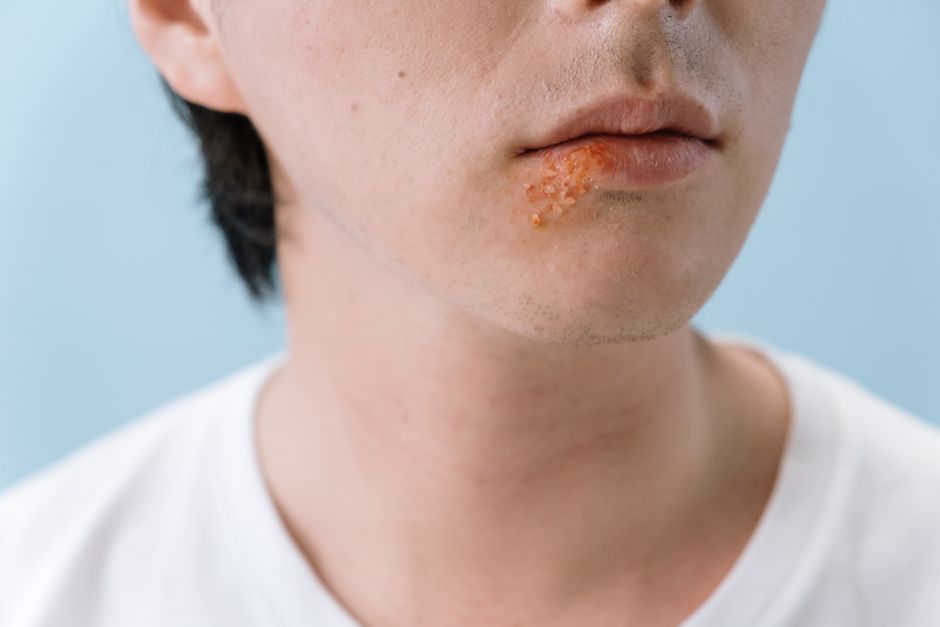
Bed sores look different depending on how deep they go. Early sores appear as red or purple patches of skin that do not turn white when pressed. Advanced sores become open wounds, blisters, or deep craters that may show fat, muscle, or even bone.
What Do Bed Sores Look Like at Different Stages?
Bed sores, also called pressure ulcers, are staged from 1 to 4 based on how deep the damage is. There is also unstageable and suspected deep tissue injury. Each stage has a different appearance.
Stage 1: The skin is red or purple but not broken. On darker skin, the area may look blue or ashy. The spot does not turn white when you press it. It may feel warm, firm, or tender.
Stage 2: The skin breaks open or forms a blister. The wound is shallow and pink or red. There is no visible fat or muscle yet.
Stage 3: The wound gets deeper. You can see fat tissue, which looks yellow or white. The sore may look like a crater. Dead tissue may be present.
Stage 4: The wound goes very deep. Muscle, tendon, or bone is visible. There is often dead tissue or thick scabbing. Infection risk is high.
Unstageable: The wound is covered with dead tissue (eschar) that is black, brown, or tan. You cannot see the bottom to tell the stage.
Suspected Deep Tissue Injury: The skin looks like a deep bruise — purple or maroon. A blood-filled blister may form. The area is painful and feels boggy or firm. This type can quickly turn into a stage 3 or 4 sore.
Where Do Bed Sores Usually Form?
Bed sores form over bony parts of the body where pressure is constant. The most common spots are the sacrum (tailbone), heels, hips, and elbows. Other areas include the back of the head, shoulders, knees, and ankles. In people who sit in a chair for long periods, sores can appear on the buttocks, spine, or behind the knees.
These areas have little fat or muscle to cushion the bone. When pressure cuts off blood flow for hours, skin and tissue begin to die.
What Are the First Signs of a Bed Sore?
The earliest sign is a red or purple patch of skin that does not fade when you press it. This is called non-blanchable erythema. The skin may also feel warmer or cooler than the surrounding area. Some people notice a firm or spongy feeling under the skin. Pain or itching at the spot is common, though some people lose sensation and feel nothing.
Catching a bed sore at this stage is critical. Stage 1 sores can heal within days if pressure is removed completely. Once the skin breaks, healing takes much longer.





How Can You Tell a Bed Sore From a Rash or Bruise?
A bed sore is different from a rash in three ways. First, it appears only over a bony area that bears pressure. Rashes can appear anywhere and are not limited to pressure points. Second, a bed sore does not blanch (turn white when pressed). A rash often does blanch. Third, a bed sore develops in a clear pattern — redness that stays in the exact spot where weight rests.
A bruise after a bump is usually tender and changes color over days. A deep tissue injury from constant pressure stays purple and may worsen quickly. If you are unsure, assume it is a bed sore until proven otherwise. Early evaluation by a nurse or doctor is the safest approach.
What Happens If a Bed Sore Is Not Treated?
Untreated bed sores get deeper and wider. The wound can become infected with bacteria. Infection may spread to nearby bone (osteomyelitis) or into the blood (sepsis). Sepsis is a life-threatening emergency.
Advanced bed sores can take months to heal or never close completely. They also cause severe pain, fluid loss, and a higher risk of death, especially in older adults with multiple health problems. Prevention and early treatment are far more effective than trying to fix a stage 4 sore.
How Are Bed Sores Treated?
Treatment depends on the stage. For all sores, the first step is removing pressure. This means turning the patient regularly, using special mattresses or cushions, and keeping the area clean and dry.
Stage 1 sores often heal with pressure relief alone. Stage 2 sores need protective dressings and careful cleaning. Stage 3 and 4 wounds require professional care: removing dead tissue (debridement), applying medicated dressings, and sometimes surgery. Antibiotics are used if infection is present.
Some clinicians recommend special wound gels, foam dressings, or negative pressure therapy. These methods have evidence behind them, but the core treatment is always pressure relief and wound hygiene. Do not try to treat a deep bed sore at home without a healthcare provider.
Frequently Asked Questions
Can bed sores heal on their own?
Only stage 1 bed sores can heal on their own if pressure is removed completely. Stage 2 and deeper sores need medical treatment to heal.
What does a stage 1 bed sore look like?
A stage 1 bed sore looks like a red or purple patch of skin that does not turn white when you press it. The skin may also feel warm or firm.
How long does it take for a bed sore to develop?
A bed sore can develop in as little as two to three hours if pressure is constant and unrelieved. People who cannot move on their own are at highest risk.
Are bed sores painful?
Bed sores can be painful, especially when touched or cleaned. However, some people with nerve damage or reduced sensation may not feel pain even with a deep sore.
