
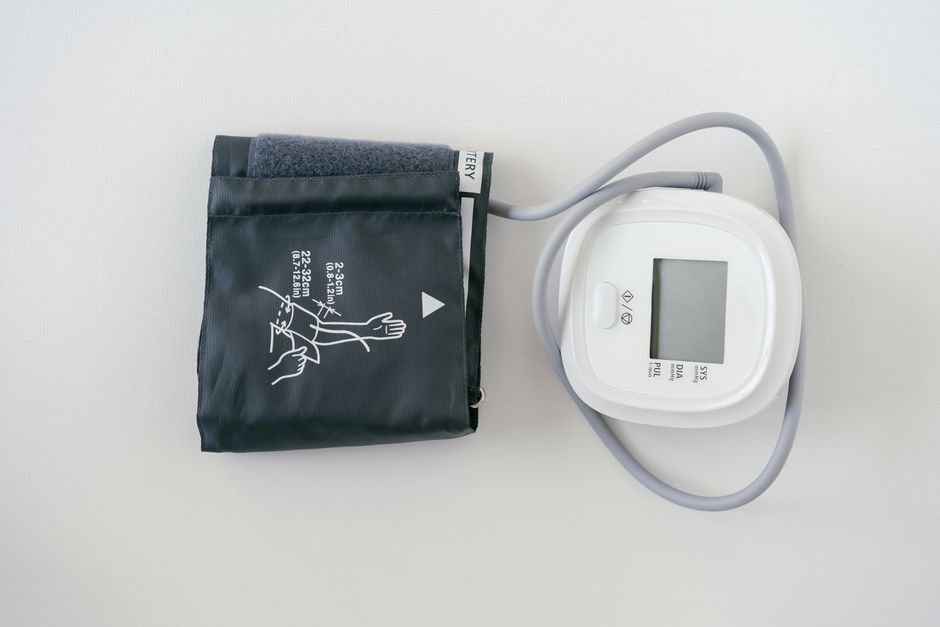
There is no single device that measures the speed of blood circulation everywhere in the body at once. Instead, several different instruments measure blood flow velocity in specific vessels or regions. The most common in modern medicine are Doppler ultrasound, which uses sound waves to detect how fast blood moves through an artery or vein, and MRI-based flow imaging, which can measure velocity in larger vessels without any needles or radiation. Simpler devices, like pulse oximeters and blood pressure cuffs, tell you about circulation indirectly rather than measuring speed itself.
The word “speed” matters here. Blood does not travel at one rate through your whole body. It races through the aorta and slows to a crawl in the smallest capillaries. So when someone asks what measures circulation speed, the real answer depends on which vessels and which part of the body you mean.
What Device Measures The Speed Of Blood Circulation?
Doppler ultrasound is the workhorse device for measuring blood flow velocity. It sends high-frequency sound waves into a vessel and listens for the change in pitch as those waves bounce off moving red blood cells. That pitch shift, called the Doppler effect, is the same principle a police radar uses to clock a car.
From that signal, the machine calculates how fast blood is moving through the vessel. A technician or doctor holds a probe against the skin, often with gel to improve contact, and reads the velocity on a screen. It is painless, uses no radiation, and can be done at the bedside.
Doppler comes in a few forms:
- Continuous-wave Doppler measures velocity along a line but cannot tell depth. It is often used for simple checks.
- Pulsed-wave Doppler can measure velocity at a specific depth, which lets clinicians target one vessel.
- Color Doppler overlays flow direction and speed onto a picture of the vessel, so you can see flow in real time.
- Duplex ultrasound combines a standard image of the vessel with Doppler velocity readings.
Doppler is the standard tool for checking blood flow in the neck arteries, the legs, and the unborn baby during pregnancy. It is also used to look for clots in leg veins and to assess blood flow after surgery.
How Do Other Imaging Devices Measure Blood Flow Speed?
Magnetic resonance imaging can measure blood velocity without any probe touching the body. A technique called phase-contrast MRI uses magnetic fields to track moving blood and produce velocity measurements in larger vessels like the aorta and the arteries of the brain. It is accurate and gives a full picture, but it is expensive, slow, and not portable.
CT-based flow imaging exists too, but it is used less often for velocity because it involves radiation and contrast dye. It tends to be reserved for specific clinical questions rather than routine flow measurement.
There is also a research method called laser Doppler flowmetry. It shines a low-power laser on tissue, usually skin, and estimates blood flow in the tiny vessels near the surface. It measures flow in small patches of tissue rather than in a named artery. It is used more in research and specialized settings than in everyday clinics.
Can a Pulse Oximeter or Blood Pressure Cuff Measure Circulation Speed?
No. These devices tell you about circulation, but neither measures blood velocity. This is a common point of confusion, so it is worth being clear.
A pulse oximeter clips onto your finger and estimates how much oxygen your blood is carrying. It works by shining light through the fingertip and detecting how much is absorbed. It gives a percentage, not a speed. A normal reading is generally 95% or higher in healthy people at sea level, though this varies with altitude and health conditions.
A blood pressure cuff measures the pressure your blood exerts against artery walls, reported as two numbers, such as 120/80. Pressure and speed are related but not the same thing. A wide pulse pressure or a weak pulse can hint at flow problems, but the cuff does not measure velocity.
So if you want a number in units of speed, like centimeters per second, you need a Doppler or MRI device, not a fingertip monitor or a home blood pressure machine.




Why Does Blood Flow Speed Matter for Health?
Blood velocity is a real clinical signal. When an artery narrows from plaque buildup, blood has to squeeze through a smaller opening, and the velocity through that spot rises. Doppler can detect that change. A significant narrowing in a neck artery, for example, often shows up as a localized jump in velocity that a trained sonographer can measure.
Velocity also matters in the legs. Poor flow can point to peripheral artery disease, where narrowed arteries reduce blood supply to the limbs. In pregnancy, Doppler of the umbilical artery helps clinicians assess how well the placenta is supplying the baby.
In the brain, abnormal flow patterns can signal problems like a narrowed vessel or a malformed connection between arteries and veins. None of these are diagnosed by velocity alone. The number is one piece of a larger picture that includes symptoms, other imaging, and the patient’s history.
Here is a point that surprises many people: “normal” blood velocity is not one universal number. It depends on the vessel, the person’s age, and even body position. That is why results are interpreted by clinicians against reference ranges for that specific vessel, not against a single threshold.
What Do the Velocity Numbers Actually Mean?
Blood speed varies enormously across the circulatory system. It is fastest in the large central arteries and slowest in the capillaries, where the total cross-sectional area of all the tiny vessels is huge. Flow slows there because the same volume of blood is spread across a much wider “pipe.”
Because the values differ so much by location, a single table of normal speeds would be misleading. What matters is the pattern in a given vessel. Clinicians look at whether velocity is higher or lower than expected for that spot, and whether the flow pattern looks smooth or disturbed.
Some general relationships hold:
- Velocity rises where a vessel narrows, because the same volume must pass through a smaller opening.
- Velocity falls in vessels far downstream of a blockage.
- Flow that should be steady can become turbulent near a narrowing or a rough vessel wall.
These are principles, not diagnostic cutoffs. The actual thresholds used in practice come from established vascular guidelines and are applied by trained specialists.
Are Home Devices That Claim to Measure Circulation Real?
Be cautious with consumer gadgets that promise to measure your “blood circulation speed” from your fingertip or wrist. Some wearable devices track heart rate, oxygen saturation, and skin blood flow changes, but these are not the same as measuring blood velocity in a specific artery.
No widely available home device has been shown to reliably measure arterial blood flow velocity the way clinical Doppler does. If a product claims to give you a circulation “score” or “speed” number, ask what it is actually measuring. Often it is a proxy, like pulse wave timing or skin temperature, not velocity.
This does not mean wearables are useless. Heart rate and oxygen tracking have real value. But the label “circulation speed” is usually marketing language, not a clinical measurement. If you have symptoms like leg pain when walking, cold or numb feet, or wounds that heal slowly, the right step is a clinical evaluation, not a consumer device.
When Would a Doctor Order a Blood Flow Test?
Doctors order Doppler or other flow studies when there is a specific question to answer. Common reasons include leg pain with exercise that eases with rest, a suspected blood clot, a whooshing sound in the neck, or monitoring a pregnancy. Each of these uses a different protocol and a different vessel.
The test itself is usually quick and safe. Doppler ultrasound has no known risks at the energy levels used for diagnosis. MRI flow studies avoid radiation but may not suit people with certain implanted devices, which is why screening questions come first.
Results are read by a clinician who knows your history. A velocity reading in isolation rarely means much. It is the combination of the number, the vessel, your symptoms, and other findings that guides decisions.
Frequently Asked Questions
What device measures blood flow velocity?
Doppler ultrasound is the most common device for measuring blood flow velocity. MRI-based phase-contrast imaging can also measure velocity in larger vessels without a probe.
Can a smartwatch measure blood circulation speed?
No widely available smartwatch has been shown to measure arterial blood flow velocity. Most track heart rate, oxygen levels, or skin changes, which are not the same as velocity.
Is Doppler ultrasound safe?
Yes. Diagnostic Doppler ultrasound uses sound waves and no radiation, and it has no known risks at the energy levels used clinically.
Does a pulse oximeter measure circulation?
A pulse oximeter estimates blood oxygen saturation, not circulation speed. It gives a percentage, not a velocity measurement.
