
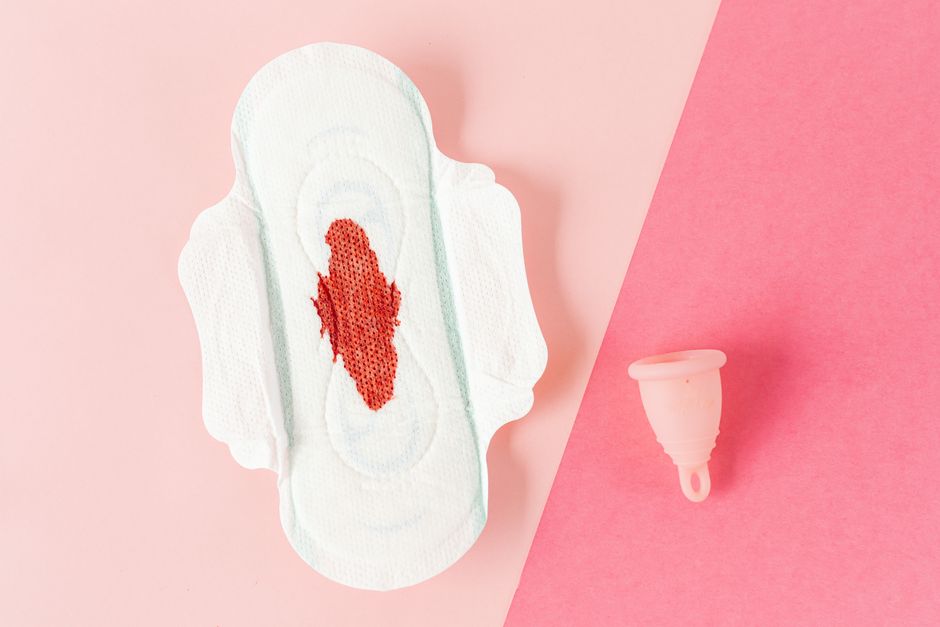
If your period blood smells like raw meat, you are almost certainly smelling iron and protein. Menstrual blood is a mix of blood, tissue from the uterine lining, and normal vaginal bacteria. Blood contains iron-rich hemoglobin, and that metallic, raw-meat odor is what iron and broken-down protein smell like when bacteria begin to act on them. This is common and usually not a sign of disease.
That said, odor can change for reasons worth knowing about. Some changes are harmless. A few point to an infection that needs treatment. The goal here is to help you tell the difference.
Why Does My Period Blood Smell Like Raw Meat?
The smell comes from chemistry, not from anything being wrong with you. Menstrual fluid is roughly half blood and half tissue and mucus. Blood carries hemoglobin, a protein built around iron. When that fluid sits in the vagina and comes into contact with air and bacteria, the iron and protein break down and release odor compounds. The result smells metallic and slightly like raw meat.
The vagina is not sterile. It holds a community of bacteria, mostly Lactobacillus species, that keep the environment acidic. When menstrual fluid mixes with those bacteria, the breakdown speeds up. This is why the smell tends to be strongest on heavier flow days and why it can be more noticeable when blood sits in a pad or tampon for a while.
One non-obvious point: menstrual blood is not the same as the blood in your veins. It contains tissue from the uterine lining, cervical mucus, and a mix of other fluids. That mixture is why period blood has a different smell than a cut on your finger.
Is a Raw Meat Smell Normal During Your Period?
A metallic or raw-meat smell is normal for many people. It is one of the most common odor descriptions people give for menstrual blood.
What matters is whether the smell is new for you and whether it comes with other symptoms. A smell that has always been there and causes no itching, pain, or discharge changes is not a medical problem. A smell that suddenly appears, or that gets much stronger over a cycle or two, is worth a closer look.
Normal menstrual odor:
- Smells metallic, iron-like, or slightly like raw meat
- Is strongest on heavy flow days
- Does not come with itching, burning, or pain
- Does not have a fishy or foul quality
Odor that is different from your usual pattern is the signal to pay attention to, not odor that is simply present.
What Causes a Stronger or Different Period Smell?
Several things can change how period blood smells. Most are not dangerous.
Time and air exposure. Blood left in a pad or tampon for hours has more time to break down. Changing products more often usually reduces the smell.
Bacterial vaginosis. This is a common condition where the normal balance of vaginal bacteria shifts. It often causes a fishy odor, especially after sex or during a period. It is treatable, and it is not a sexually transmitted infection in the usual sense, though sexual activity can trigger it.
Trichomoniasis. This is a sexually transmitted infection that can cause a yellow-green discharge with a strong, unpleasant odor. It needs treatment with prescription medication.
Retained tampon or foreign body. A forgotten tampon can cause a strong, foul smell along with discharge. This is a reason to see a clinician promptly.
Infection after childbirth or a procedure. Odor with fever, pain, or unusual discharge after delivery, a miscarriage, or a uterine procedure needs medical attention.
Notice the pattern. The conditions that need treatment usually come with more than smell alone. They bring itching, burning, unusual discharge color, pain, or fever.
When Should You See a Doctor About Period Odor?
See a clinician if the odor is new, strong, or foul rather than metallic, or if it comes with any of the following:
- Itching, burning, or irritation in or around the vagina
- Discharge that is yellow, green, gray, or frothy
- Pelvic pain or pain during sex
- Fever or feeling generally unwell
- Bleeding between periods or after sex
- Odor that persists after your period ends
These signs can point to an infection or another condition that a clinician can identify and treat. Many are straightforward to diagnose with a simple exam and a swab. You do not need to wait and see if it resolves on its own if symptoms are clear.
If you recently gave birth, had a miscarriage, or had a procedure involving the uterus, contact a clinician promptly for odor with fever or pain. That combination deserves a timely check.
How Can You Reduce Period Odor?
Basic menstrual care reduces odor for most people. These steps are widely recommended by clinicians.
- Change pads every few hours and tampons at least every 4 to 8 hours, or sooner on heavy days
- Choose the lowest absorbency tampon that handles your flow
- Wash the outer genital area with plain warm water; avoid scented soaps, sprays, and douches
- Wear breathable cotton underwear and avoid tight, non-breathing clothing during your period
- Rinse thoroughly and pat dry after washing
Douching is worth calling out directly. The vagina maintains its own balance, and douching disrupts it. Research has linked douching to a higher risk of bacterial vaginosis and other infections. Scented menstrual products and vaginal deodorants can irritate tissue and make odor worse, not better.
If odor remains strong despite good menstrual care, that is a reason to get checked rather than to try stronger products.
Does Period Blood Smell Different From Regular Blood?
Yes, and there is a clear reason. The blood from a cut is mostly blood. Menstrual fluid is a mixture of blood, uterine lining tissue, cervical mucus, and vaginal bacteria. That combination produces a smell that plain blood does not have.
Regular blood has a metallic smell on its own because of its iron content. Menstrual fluid adds the breakdown products of tissue and the activity of vaginal bacteria, which is why the odor can be stronger and more complex. This is normal physiology, not a sign of anything wrong.
Does the Smell Mean You Have an Infection?
No. A raw-meat or metallic smell by itself does not mean you have an infection. Most people with this odor have a normal, healthy menstrual cycle.
Infection becomes more likely when the odor is fishy or foul, or when it comes with itching, unusual discharge, pain, or fever. Bacterial vaginosis, for example, is known for a fishy odor rather than a metallic one. The type of smell, plus the presence of other symptoms, is what guides the assessment.
If you are unsure, a clinician can tell the difference with a simple exam. There is no need to guess or to self-treat with over-the-counter products, which can mask symptoms or make irritation worse.
Frequently Asked Questions
Why does my period blood smell like raw meat?
The smell comes from iron in hemoglobin and from protein in blood and uterine tissue breaking down with the help of normal vaginal bacteria. This metallic, raw-meat odor is common and usually not a sign of disease.
Is a metallic period smell a sign of infection?
Not by itself. A metallic smell alone is normal, but a fishy or foul odor, especially with itching, unusual discharge, pain, or fever, can point to an infection that needs treatment.
How do I get rid of period blood odor?
Change pads every few hours and tampons at least every 4 to 8 hours, wash with plain water, and avoid scented products and douching. If odor stays strong despite good care, see a clinician.
Can a retained tampon cause a bad smell?
Yes. A forgotten tampon can cause a strong, foul odor along with discharge, and it needs to be removed by a clinician if you cannot find it. This is a reason to seek care promptly.
