

Your blood vessels are not passive pipes. They are active tissue that responds to what you eat, sometimes within hours. Certain foods support healthy circulation by helping blood vessels relax, reducing inflammation, and keeping blood from becoming too sticky.
The strongest evidence points to foods rich in nitrates, omega-3 fatty acids, and antioxidants. Leafy greens, beets, fatty fish, berries, citrus, and nuts all have research behind them. No single food fixes poor circulation on its own, but consistent eating patterns clearly support blood vessel function.
What Foods Help Blood Flow And Circulation?
Leafy green vegetables top the list. Spinach, arugula, kale, and Swiss chard are rich in dietary nitrates. Your body converts these nitrates into nitric oxide, a molecule that signals blood vessels to widen.
Beets work the same way. Research published in the journal Hypertension found that drinking beetroot juice increased nitric oxide levels and improved blood flow in healthy adults. The effect appeared within a few hours of consumption.
Fatty fish like salmon, mackerel, sardines, and herring deliver omega-3 fatty acids. These fats reduce inflammation and support flexible blood vessels. The American Heart Association recommends eating fish at least twice per week, and that guidance rests on decades of cardiovascular research.
Berries, citrus fruits, walnuts, and dark chocolate round out the list. Each brings different compounds that support circulation through separate mechanisms. Eating a variety matters more than focusing on any single food.
How Do Nitrates in Food Improve Blood Flow?
Dietary nitrates follow a specific pathway in your body. When you eat spinach or beets, bacteria on your tongue convert nitrate into nitrite. Your body then converts that nitrite into nitric oxide in your blood and tissues.
Nitric oxide does one main job in this context. It relaxes the smooth muscle lining your arteries. When those muscles relax, vessels widen and blood flows more easily.
This pathway explains why beetroot juice studies show measurable effects. A review in the journal Nitric Oxide summarized multiple trials and found consistent improvements in blood vessel function after nitrate-rich meals.
One practical detail: antibacterial mouthwash can disrupt this process. The bacteria on your tongue are part of the conversion chain. Using mouthwash right after eating nitrate-rich foods may reduce the benefit. This is a real finding from several small studies, though the long-term impact on circulation is not fully established.
Which Fruits and Vegetables Support Circulation Best?
Color matters when choosing produce for circulation. Different pigments come with different protective compounds.
- Dark leafy greens — spinach, kale, arugula, collard greens for nitrates
- Beets — among the highest natural sources of dietary nitrate
- Berries — blueberries, strawberries, raspberries for anthocyanins that support artery flexibility
- Citrus fruits — oranges, grapefruit, lemons for vitamin C and flavonoids
- Pomegranates — contain punicalagins, which some studies link to improved blood flow
- Watermelon — contains citrulline, which your body converts to arginine, a precursor to nitric oxide
Pomegranate research is promising but not as consistent as nitrate research. Some trials show improved blood flow, others show minimal change. The evidence is mixed and more research is needed before making strong claims.
Watermelon contains citrulline, an amino acid your body converts into arginine. Arginine is a building block for nitric oxide. The amounts in typical servings are modest, so the effect on circulation is likely small.




Does Omega-3 Fat From Fish Help Blood Flow?
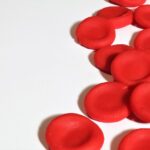
Omega-3 fatty acids support circulation through several mechanisms. They reduce inflammation in blood vessel walls. They make red blood cells more flexible, which helps them move through small vessels. They also reduce platelet aggregation, meaning blood is less likely to clump.
These effects are well documented. The American Heart Association has recommended eating fish at least twice weekly for years, based on strong evidence for heart health. Whether those benefits translate directly to improved circulation in people without heart disease is less certain, but the mechanisms are sound and the overall cardiovascular evidence is strong.
If you do not eat fish, plant sources like flaxseed, chia seeds, and walnuts provide a different type of omega-3 called ALA. Your body converts ALA to the types found in fish, but the conversion rate is low. Some research suggests it may be under 10 percent. Plant sources still offer cardiovascular benefits, but they are not a direct substitute for fatty fish.
Can Specific Foods Lower Blood Pressure and Improve Circulation?
Several eating patterns have been studied specifically for blood pressure and blood vessel health. The DASH diet is the most researched. It emphasizes fruits, vegetables, whole grains, lean proteins, and low-fat dairy while limiting sodium and saturated fat.
Clinical trials consistently show that DASH lowers blood pressure. Since high blood pressure damages blood vessels over time, anything that lowers it also supports healthier circulation.
Potassium-rich foods deserve mention here. Bananas, sweet potatoes, white beans, and avocados all contain potassium, which helps counterbalance sodium and relax blood vessel walls. The American Heart Association notes that potassium can help manage blood pressure, though people with kidney disease should talk to their doctor before increasing potassium intake.
Garlic has been studied for blood pressure and circulation. Some meta-analyses suggest a modest reduction in blood pressure with garlic supplementation, but results vary across studies. Aged garlic extract shows more consistent effects than raw garlic in the research. The evidence is not strong enough to recommend garlic as a primary treatment for high blood pressure.
What About Dark Chocolate and Tea?
Dark chocolate contains flavonoids called flavanols. These compounds increase nitric oxide production and improve blood vessel function in short-term studies. The effect is real but modest.
The problem is dose and processing. Most commercial chocolate has low flavanol content because processing destroys these compounds. You would need to eat a significant amount of high-flavanol chocolate to see measurable effects, and that comes with calories, sugar, and fat. Dark chocolate with 70 percent cacao or higher retains more flavanols, but the circulation benefit from typical consumption is small.
Tea, particularly green tea, contains catechins that support blood vessel function. Some studies show modest improvements in circulation markers after regular tea consumption. Black tea also contains beneficial flavonoids, though in different proportions. The evidence for tea is generally positive but not as strong as the evidence for nitrate-rich vegetables.
What Foods and Habits Work Against Good Circulation?
Knowing what to avoid matters as much as knowing what to eat. Some dietary patterns actively harm blood vessel function.
Trans fats are the clearest example. They raise LDL cholesterol, lower HDL cholesterol, and promote inflammation. The FDA has largely removed artificial trans fats from the US food supply, but some processed foods still contain small amounts.
Excess sodium is another major factor. High sodium intake raises blood pressure in salt-sensitive individuals, which over time stiffens and damages blood vessels. Most sodium in the American diet comes from processed and restaurant food, not the salt shaker.
Added sugars contribute to inflammation and can impair nitric oxide production. Research published in the journal Circulation found that people who consumed more sugar-sweetened beverages had higher levels of inflammatory markers linked to blood vessel damage. The relationship is complex, but the pattern is consistent across multiple studies.
Alcohol is a mixed picture. Heavy drinking clearly harms circulation. Some research suggests light drinking may have minor cardiovascular benefits, but recent analyses have challenged that idea. Current evidence does not support starting to drink for health reasons, and the World Health Organization states that no level of alcohol consumption is safe for overall health.
How Long Does It Take for Diet to Affect Circulation?
Some effects happen quickly. Nitrate-rich foods like beets and spinach can improve blood vessel function within a few hours of eating. Studies measuring flow-mediated dilation, a standard test of blood vessel health, show improvements in the same day.
Other effects take longer. Changes in blood pressure from dietary patterns like DASH typically appear within two to four weeks. Improvements in cholesterol and inflammation markers may take several months of consistent eating.
Structural changes to blood vessels, such as reduced arterial stiffness, take even longer. Some studies show improvements after several months of a heart-healthy diet. These changes are gradual and require sustained effort.
One important point: diet is one factor among many. Physical activity, sleep quality, stress, smoking, and genetics all influence circulation. Food supports blood vessel health, but it does not work in isolation.
Frequently Asked Questions
What is the single best food for blood circulation?
No single food is best. Beets and leafy greens have the strongest evidence because of their nitrate content, which your body converts to nitric oxide to widen blood vessels.
How quickly can food improve blood circulation?
Nitrate-rich foods like beets and spinach can improve blood vessel function within a few hours. Sustained changes in blood pressure and vessel health typically take weeks to months of consistent eating.
Does drinking water help blood circulation?
Staying hydrated supports healthy blood volume and helps your heart pump blood more efficiently. Water itself does not widen blood vessels or improve circulation the way nitrate-rich foods do.
Can certain foods replace blood pressure medication?
No. Some foods and eating patterns can modestly lower blood pressure, but they are not a substitute for prescribed medication. Never stop or change a medication without talking to your doctor.
