
If you are looking for a single food or supplement that will sweep your gut clean like a power washer, you are going to be disappointed. That is not how digestion works. What actually cleans out your gut is a combination of dietary fiber, adequate hydration, and consistent movement. What does not work is any “cleanse,” detox tea, or colon-cleansing product sold online. Your body already has a built-in cleaning system: your liver, kidneys, and colon. The real question is how to support that system without falling for marketing nonsense.
What Does Fiber Actually Do for Gut Health?
Fiber is the single most important thing you can eat for a clean gut. Research published in the journal Gut has found that people who eat at least 25 to 30 grams of fiber per day have more regular bowel movements and a healthier gut microbiome. Fiber acts like a scrub brush. It physically moves waste through your intestines and feeds the good bacteria that live there.
There are two types of fiber and both matter. Soluble fiber dissolves in water and forms a gel that helps soften stool. You find it in oats, apples, carrots, and beans. Insoluble fiber does not dissolve. It adds bulk to stool and helps it pass faster. You find it in whole wheat, nuts, and vegetables like broccoli and green beans. Most people do not get enough of either. The average American eats about 15 grams of fiber per day, roughly half of what is recommended.
One non-obvious point: if you suddenly increase fiber intake without drinking more water, you will get constipated. Fiber needs water to work. The two go together.
Does Drinking More Water Really Help Clean Your Gut?
Yes, but not in the way detox products claim. Water does not “flush” toxins out of your colon. That is not how it works. What water does do is keep stool soft and moving. The colon reabsorbs water from waste as it passes through. If you are dehydrated, the colon pulls too much water out, and stool becomes hard and difficult to pass.
The Institute of Medicine recommends about 3.7 liters of total water per day for men and 2.7 liters for women. That includes water from food. If your urine is pale yellow, you are likely hydrated enough. If it is dark, drink more. There is no evidence that drinking more than this amount provides any extra gut-cleaning benefit.
One thing to watch: drinking large amounts of water all at once does not help. It just makes you urinate more. Sipping water throughout the day is what keeps the digestive tract hydrated and working properly.
What About Probiotics and Fermented Foods?
Probiotics are live bacteria that some studies suggest can help restore balance in the gut microbiome. The evidence is strongest for specific situations, such as after a course of antibiotics or for certain digestive conditions like irritable bowel syndrome. A 2020 review in the journal Cell found that probiotic effects are highly individual. What helps one person may do nothing for another.
Fermented foods like yogurt, kefir, sauerkraut, and kimchi contain natural probiotics. A 2021 study from Stanford University found that eating fermented foods for ten weeks increased the diversity of gut bacteria and reduced markers of inflammation. This is promising, but it does not mean fermented foods “clean” your gut. They support the ecosystem of bacteria that already lives there.
Probiotic supplements are more complicated. Many products on store shelves contain strains that have never been tested in humans. Some studies suggest they can help with specific issues like antibiotic-associated diarrhea, but the general “take a probiotic for gut health” advice is not backed by strong evidence. If you want to try one, look for products that list specific strains and have been tested in clinical trials.



What Cleans Out Your Gut And What Doesnt Work for Constipation?
Constipation is the most common reason people search for gut-cleaning solutions. The standard medical advice from the American Gastroenterological Association is clear: increase fiber, drink more water, and exercise. If that does not work, over-the-counter options like psyllium husk (Metamucil) or polyethylene glycol (Miralax) are considered safe for long-term use.
What does not work: colon cleanses, enemas, and laxatives used for weight loss or “detox.” These can cause dehydration, electrolyte imbalances, and damage to the colon lining. The Federal Trade Commission has taken action against companies selling colon-cleansing products for making false claims. There is no evidence that these products remove toxins or improve health in any meaningful way.
One comparison that helps clarify things:
| What Works | What Does Not Work |
|---|---|
| Dietary fiber (25-30g daily) | Detox teas and colon cleanses |
| Water intake throughout the day | Laxatives for weight loss |
| Regular physical activity | Charcoal or clay “cleanse” products |
| Fermented foods for microbiome diversity | Juice fasts longer than 24 hours |
| Psyllium husk or Miralax for constipation | Colonic hydrotherapy (colonics) |
The bottom line: your gut does not need to be “cleaned.” It needs to be supported. Fiber, water, and movement are the three things that work. Everything else is expensive marketing.
Do Juice Cleanses or Fasting Clean Your Gut?
Juice cleanses are one of the most popular gut-cleaning trends, and they are also one of the least effective. A juice cleanse typically involves drinking only fruit and vegetable juices for one to five days. The problem is that juicing removes almost all the fiber from fruits and vegetables. Without fiber, there is nothing to move waste through your intestines. You may have frequent bowel movements during a juice cleanse, but that is because of the large volume of liquid, not because anything is being “cleaned.”
Some people report feeling better after a juice cleanse. This is likely due to the temporary reduction in processed foods, sugar, and alcohol, not the juice itself. The same benefit can be achieved by simply eating whole fruits and vegetables for a few days, which also gives you the fiber you need.
Intermittent fasting is different. Some research suggests that periods of fasting may trigger a process called autophagy, where cells clean out damaged components. This is real biology, but it is not specific to the gut. The evidence is mostly from animal studies, and it is unclear whether the same benefits occur in humans. Fasting can also cause constipation if you are not careful about water and fiber intake during eating windows.
As of 2026, there is no clinical evidence that any juice cleanse or fasting protocol “cleans out” the colon or removes toxins. The body does that on its own through the liver and kidneys.
What Common Misconceptions Should You Ignore?
The health and wellness industry has turned gut health into a billion-dollar business. Most of what you hear is exaggerated or false. Here are three common claims that do not hold up to scrutiny:
- Activated charcoal cleans the gut. Activated charcoal is used in medical emergencies for certain poisonings. There is no evidence that it removes toxins from a healthy digestive system. It can actually interfere with medication absorption and cause constipation.
- Apple cider vinegar flushes the colon. Some people report that apple cider vinegar helps with digestion, but strong evidence is limited. It does not clean the colon. Drinking it undiluted can damage tooth enamel and the esophagus.
- Parasite cleanses are necessary. This is widely claimed online, though strong evidence is limited. Intestinal parasites are rare in developed countries with clean water and food safety standards. Routine “parasite cleansing” is not supported by any major medical organization.
If a product promises to “detox” or “cleanse” your gut in a short period, be skeptical. Your body already has organs designed to do that job. The best thing you can do is eat real food, drink water, and move your body regularly.
Frequently Asked Questions
What food cleans your gut the most?
No single food cleans your gut. Foods high in soluble and insoluble fiber, such as oats, beans, apples, and leafy greens, support regular bowel movements and a healthy microbiome.
How long does it take to clean out your gut?
There is no specific timeline because the concept of “cleaning” your gut is misleading. Dietary changes can affect bowel movements within 24 to 72 hours, but microbiome changes take weeks.
Does lemon water detox your gut?
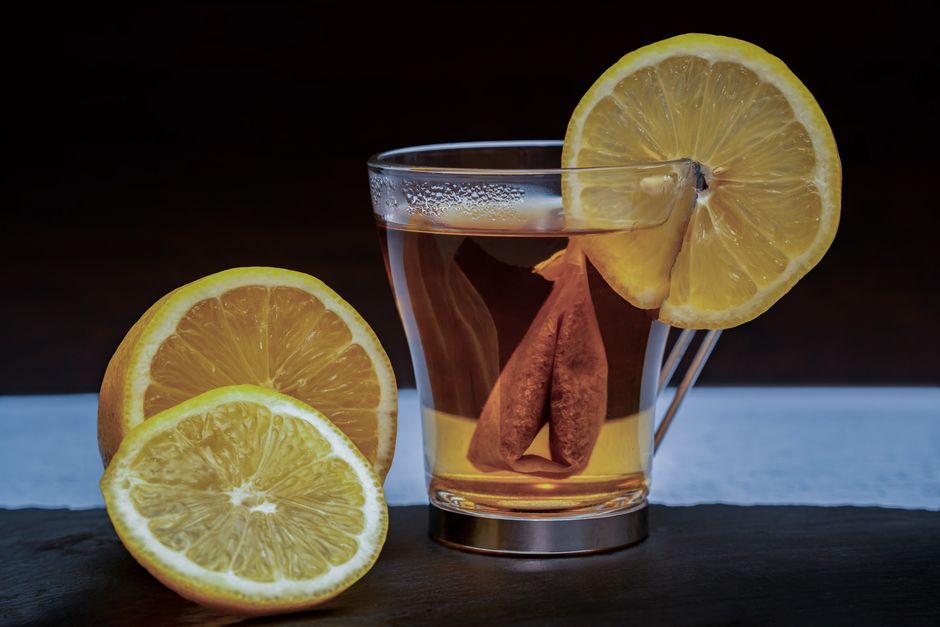
No. Lemon water is hydrating and contains vitamin C, but it does not detoxify the colon or remove toxins. Your liver and kidneys handle detoxification on their own.
Are colon cleanses safe?
Colon cleanses are not recommended by medical professionals. They can cause dehydration, electrolyte imbalances, and damage to the intestinal lining. The FDA has warned about serious injuries from colon-cleansing devices.
