
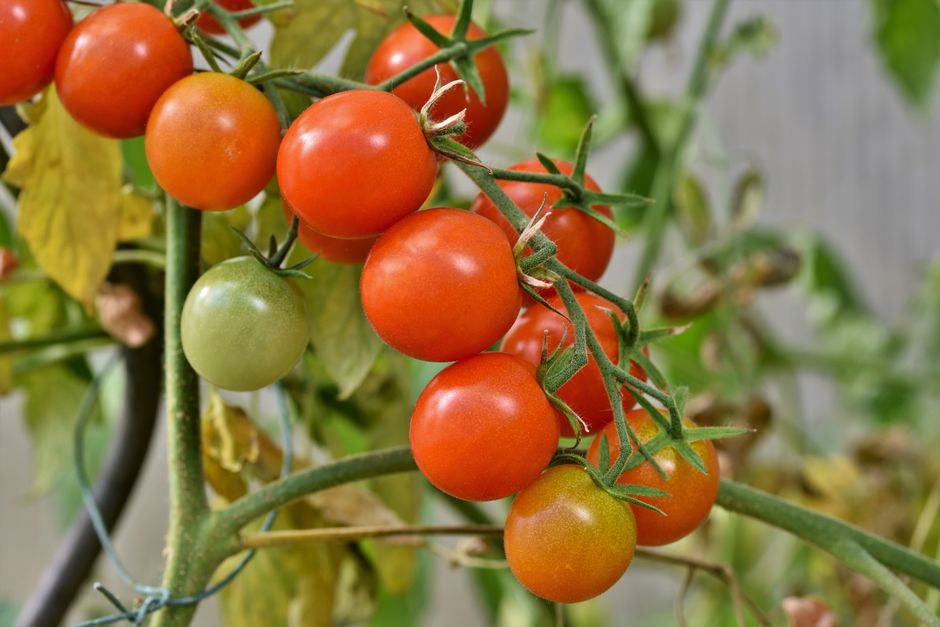
Tomatoes ripen because of a plant hormone called ethylene, a simple gas that triggers a chain of chemical changes inside the fruit. As a tomato matures, it releases ethylene, and that gas signals the fruit to soften, change color, and develop sweetness and aroma. This process is central to how tomatoes work, and understanding it explains a lot about why a hard green tomato on your counter can turn red in a few days.
Ethylene is not the whole story, though. Temperature, light, the tomato’s own genetics, and whether it was picked at all all shape how ripening unfolds. Here is what is actually happening inside the fruit, and what you can and cannot control.
What Is Ethylene And Why Does It Matter For Tomatoes?
Ethylene is a gas. It is one of the few plant hormones that exists as a vapor, which is why it can move between fruits and even between plants. In tomatoes, ethylene acts as a ripening signal that turns on specific genes.
Once those genes switch on, the fruit begins producing enzymes. Some of these enzymes break down cell walls, which is what makes a ripe tomato soft. Others convert starches to sugars and break down acids, which changes the taste. Still others produce the pigments that turn a green tomato red and the aromatic compounds that give a tomato its smell.
This is why ripening is not one single event. It is a coordinated sequence, and ethylene is the signal that starts it. The tomato also becomes more sensitive to its own ethylene as it matures, so the process can accelerate once it begins.
Tomatoes are classified as climacteric fruits. That means they continue to ripen after being picked, unlike non-climacteric fruits such as grapes or citrus, which do not ripen further once separated from the plant. This one fact explains why a tomato from the store can still improve on your counter, while a grape will only decline.
What Causes Tomatoes To Ripen Ethylene And Beyond?
Ethylene is the primary trigger, but it does not act alone. Several other factors decide whether ripening happens, how fast, and how good the final fruit tastes.
Genetics set the ceiling. Some tomato varieties are bred to ripen evenly and travel well, which often comes at the cost of flavor. Others are bred for taste and soften quickly. The plant’s genetic instructions determine how much ethylene it makes and how strongly it responds to it.
Temperature has a large effect. Ripening enzymes work best in a moderate range. Cold slows the process and can damage the fruit’s ability to ripen properly if it gets too cold for too long. This is why refrigerating a tomato can leave it mealy and bland even after it warms back up — the cold can disrupt the ripening machinery in ways that do not fully reverse.
Light matters less than many people assume for the ripening itself, but it affects flavor compounds and some pigment development. A tomato can ripen in the dark, but light exposure on the plant contributes to the sugars and aromas that make a vine-ripened tomato taste different.
The stage of maturity at harvest matters a great deal. A tomato picked when it is already mature but still green will ripen into something decent. One picked too early, before it has developed the internal readiness to ripen, will never reach the same quality no matter what you do.
Why Do Some Tomatoes Ripen Off The Vine?
A tomato can ripen after picking because the ripening program is already loaded. Once the fruit reaches a certain stage of maturity, it has the genetic instructions and the ethylene response system in place. Picking it simply removes it from the plant’s supply of water and nutrients, but it does not stop the ripening sequence that has already begun.
This is deliberate in commercial farming. Tomatoes are often picked mature but green so they can survive shipping without bruising. They are then exposed to ethylene gas in controlled ripening rooms to trigger uniform ripening before they reach the store. This is a standard practice and is not the same as artificial ripening in the sense of adding something foreign — the gas used is the same hormone the plant makes.
Home gardeners can use the same principle. Placing a mature green tomato in a paper bag traps the ethylene it releases, concentrating the gas around the fruit and speeding ripening. Adding a ripe banana or apple, which also release ethylene, can accelerate it further. The bag should not be sealed airtight, since some airflow helps prevent mold.





Does Refrigeration Stop Tomatoes From Ripening?
Refrigeration slows ripening and can permanently affect quality. Cold temperatures reduce the activity of the enzymes involved in ripening and can damage cell membranes. The result is often a tomato that softens unevenly, loses flavor, and develops a mealy texture.
For a tomato that is already fully ripe and you plan to eat within a day or two, refrigeration can slow further decline. For a tomato that still needs to ripen, room temperature is the better choice. This is one of the clearer cases where storage advice actually follows directly from the biology.
Once a tomato is chilled and damaged, warming it back up does not restore the flavor or texture. The changes to the cell structure and the volatile aroma compounds are largely irreversible. So the decision about refrigeration is best made based on how ripe the tomato already is.
What Role Does Ethylene Play In Other Fruits?
Ethylene is not unique to tomatoes. It controls ripening in many fruits, including bananas, avocados, apples, peaches, and melons. This shared chemistry is why a ripe banana in a bowl can speed up the ripening of everything around it.
It also explains a common kitchen observation. Fruits that produce a lot of ethylene can cause nearby ethylene-sensitive produce to ripen faster — or, in the case of leafy greens and some vegetables, to spoil faster. Storing ethylene producers separately from ethylene-sensitive items is a practical way to manage this.
Not all fruits respond the same way. Non-climacteric fruits such as strawberries, grapes, and citrus do not continue ripening after harvest, so ethylene mainly affects how quickly they deteriorate rather than how they ripen. This distinction is worth knowing because it changes what storage advice actually helps.
Can You Control How Fast A Tomato Ripens?
You can influence ripening speed, but you cannot fully control it. The main levers are temperature and ethylene concentration.
- To speed ripening: keep the tomato at room temperature and place it in a paper bag, ideally with another ethylene-producing fruit.
- To slow ripening: keep it cool, but not cold enough to cause chilling damage, and separate it from other ripening fruits.
- To stop ripening: once a tomato is fully ripe, refrigeration slows further change, though it affects texture and flavor.
What you cannot do is make an immature tomato ripen into a great one. If it was picked before it developed the capacity to ripen well, no amount of ethylene or warmth will fix the flavor. This is the honest limit of what home tricks can achieve.
It is also worth separating marketing from biology here. Claims that certain storage gadgets or coatings “lock in freshness” or “restore flavor” are not supported by strong evidence. The core variables — maturity at harvest, temperature, and ethylene exposure — are what actually matter, and they are well understood.
Does Ethylene In Ripening Affect Human Health?
Ethylene is a natural plant hormone, and the amounts involved in ripening food are not a health concern for people eating tomatoes. The human body does not use ethylene as a hormone, and it is present in trace amounts in the air around ripening fruit.
Commercial ripening with ethylene gas is regulated, and the practice is considered safe by food safety authorities. This is different from concerns about some other ripening or ripening-adjacent chemicals that have been raised in various contexts. Ethylene itself is not the same category of issue.
If you have specific health concerns about food additives or produce handling, those are best discussed with a healthcare provider or a food safety authority rather than resolved by general claims online.
Frequently Asked Questions
What gas causes tomatoes to ripen?
Ethylene is the gas that triggers tomato ripening. It is a natural plant hormone that signals the fruit to soften, change color, and develop flavor.
Do tomatoes ripen faster in a paper bag?
Yes, a paper bag traps the ethylene the tomato releases, which can speed ripening. Adding a ripe banana or apple can increase the effect because those fruits also release ethylene.
Should you refrigerate tomatoes to stop them ripening?
Refrigeration slows ripening but can damage texture and flavor, especially in tomatoes that are not yet fully ripe. For a ripe tomato you will eat soon, brief refrigeration is reasonable.
Can a green tomato ripen after being picked?
A mature green tomato can ripen after picking because it already has the ripening instructions in place. A tomato picked too early, before it is mature, will not ripen into good quality.
