

Feeling hungry is your body’s way of telling you it needs energy. But sometimes hunger strikes when you cannot eat right away, or you want to manage your appetite for health reasons. Proven ways to reduce hunger include eating more protein and fiber, drinking water, getting enough sleep, and managing stress. These methods work by targeting the hormones and physical signals that control appetite. This article explains what the evidence actually shows about suppressing hunger safely and effectively.
How Do You Make Yourself Not Hungry Proven Ways?
Protein is the most reliable nutrient for reducing hunger. Studies consistently show that eating protein increases fullness more than carbohydrates or fats. It reduces levels of ghrelin, the hormone that makes you feel hungry, and increases peptide YY, a hormone that makes you feel full.
Fiber works differently but just as effectively. It absorbs water and expands in your stomach, creating physical fullness. Fiber also slows digestion, which keeps food in your stomach longer. Aim for fiber from whole foods like vegetables, fruits, beans, and whole grains rather than supplements.
Water is another proven tool. Drinking a glass of water before a meal can reduce how much you eat. Some research suggests this works best in middle-aged and older adults. Water also helps you notice the difference between hunger and thirst, which people often confuse.
Why Do You Feel Hungry Shortly After Eating?
Feeling hungry soon after a meal usually comes down to what you ate. Meals high in refined carbohydrates, like white bread, sugary snacks, or sugary drinks, cause blood sugar to spike and then drop quickly. That rapid drop triggers hunger signals even though you just ate.
Meals that lack protein or fiber digest quickly. Your stomach empties faster, and your body does not receive the same fullness signals. This is why a breakfast of toast and jam leaves you hungry by mid-morning, while eggs and oatmeal keep you satisfied for hours.
Another cause is eating while distracted. When you eat in front of a screen or while working, your brain does not fully register the meal. This reduces the satisfaction you feel and can lead to hunger sooner after eating.
Which Foods Suppress Hunger the Most?
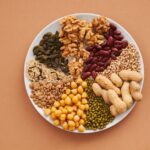
Foods high in protein and fiber are the most effective at reducing hunger. The evidence is strongest for these specific food groups:
- Eggs — A protein-rich breakfast reduces hunger for several hours compared to a carbohydrate-heavy breakfast with the same calories.
- Soups — Broth-based soups with vegetables and protein are highly filling because they contain water and food volume together.
- Beans and legumes — These combine protein and fiber, making them among the most satiating foods studied.
- Potatoes and boiled vegetables — These score high on satiety indexes because of their water and fiber content.
- Greek yogurt — High protein content with relatively low calories makes it a strong choice for appetite control.
- Nuts — They reduce hunger for hours, though you should watch portion sizes because they are calorie-dense.
Fruits like apples and oranges also help because of their fiber and water content. Whole fruit is more filling than juice, even when the calories are similar.




Does Sleep Affect Your Appetite?
Sleep deprivation directly increases hunger. Research shows that people who sleep less than seven hours have higher levels of ghrelin and lower levels of leptin, the hormone that signals fullness. This combination makes you feel hungrier and less satisfied after meals.
Sleep deprivation also affects food choices. Studies find that tired people crave high-calorie, carbohydrate-rich foods more than well-rested people. This is partly biological and partly because your body seeks quick energy when it is exhausted.
Improving sleep is one of the most effective appetite control strategies. Most adults need seven to nine hours per night. If you consistently sleep less, addressing that may reduce hunger more than any diet change.
Can Stress Make You Feel Hungry?
Stress affects appetite in two different ways. Short-term stress often suppresses hunger because your body’s emergency response shuts down digestion. But chronic stress — stress that lasts weeks or months — tends to increase appetite and cravings for high-calorie foods.
Chronic stress raises cortisol levels. This hormone increases appetite and encourages fat storage, particularly around the abdomen. It also makes high-sugar and high-fat foods more appealing. This is why stress eating is a real biological response, not just a lack of willpower.
Managing stress through exercise, meditation, or other methods may reduce stress-related hunger. The evidence for specific stress-reduction techniques on appetite is still emerging, but the connection between chronic stress and increased food intake is well established.
What Role Does Exercise Play in Appetite?
Exercise has a complex relationship with appetite. Some people worry that exercise makes them hungrier, but the research shows this is not usually the case. Moderate to intense exercise actually suppresses ghrelin levels temporarily.
Regular exercise can also improve your body’s sensitivity to fullness signals over time. This means your body becomes better at recognizing when it has had enough food. Exercise is not a hunger cure, but it supports healthy appetite regulation.
High-intensity interval training may suppress appetite more than steady-state cardio, though both are beneficial. The effect is temporary, lasting one to two hours after exercise. The longer-term appetite benefits come from consistent exercise over weeks and months.
Are Appetite Suppressant Supplements Effective?
Most appetite suppressant supplements sold over the counter have weak or inconsistent evidence behind them. Some ingredients, like caffeine and green tea extract, may slightly reduce appetite, but the effect is modest and short-lived.
Fiber supplements like glucomannan have some evidence for reducing hunger. However, the effect is smaller than getting fiber from whole foods. No supplement has been shown to match the appetite control from a protein and fiber-rich diet.
Prescription appetite suppressants exist, but they are only for people with obesity who meet specific medical criteria. These are not for general use and carry side effects. They require a doctor’s supervision.
Be cautious of any supplement claiming to eliminate hunger. No product does this safely. If a supplement sounds too good to be true, it likely is.
How Can You Tell Hunger from Cravings?
Physical hunger builds gradually and can be satisfied by any food. Cravings come on suddenly and target specific foods, usually high-sugar or high-fat options. Physical hunger is felt in the stomach. Cravings are often felt in the head or mouth.
One useful test is to ask yourself if you would eat an apple or plain rice. If the answer is no, you are likely experiencing a craving, not true hunger. Cravings are often driven by emotions, habits, or environmental cues rather than actual energy needs.
Waiting 10 to 15 minutes before acting on a craving can help. Cravings often fade if you do not act on them immediately. Drinking water or distracting yourself during this time can help you determine whether the feeling was real hunger.
Frequently Asked Questions
What is the fastest way to stop feeling hungry?
Drinking a glass of water and eating a protein-rich snack like Greek yogurt or a handful of nuts can reduce hunger within minutes. These work by filling your stomach and triggering fullness hormones.
Does drinking water before meals reduce appetite?
Yes, drinking water before a meal can reduce how much you eat, especially in middle-aged and older adults. The effect comes from physical stomach expansion, which signals fullness to your brain.
Why do I feel hungry even after eating a full meal?
You may be eating meals low in protein and fiber, or high in refined carbohydrates that cause blood sugar spikes and drops. Eating while distracted can also reduce the fullness signals your brain receives.
Can chewing gum help with hunger?
Chewing gum can reduce cravings and hunger slightly by sending signals to your brain that you are eating. The effect is modest and temporary, lasting only while you chew.
