
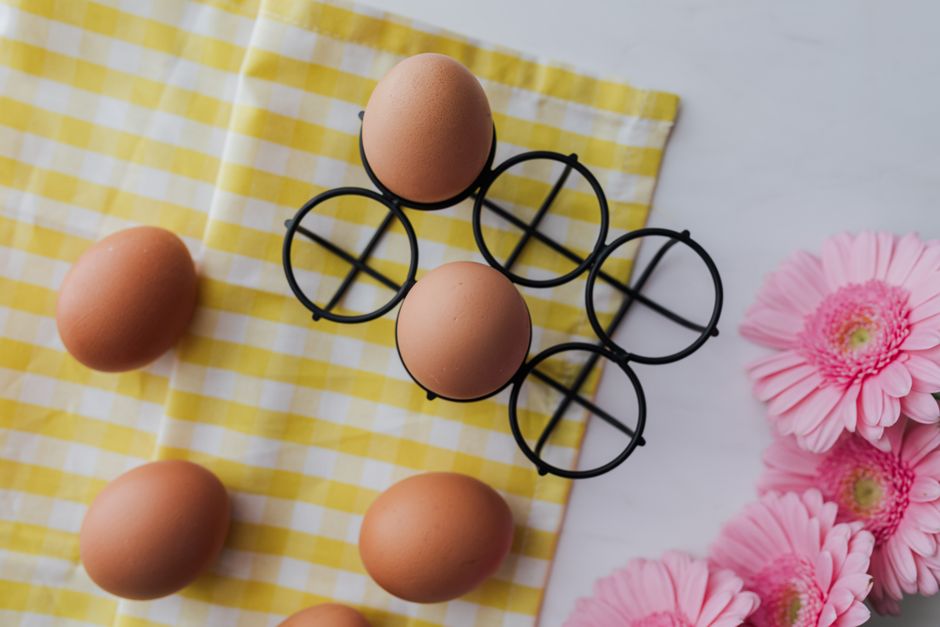
Yes, you can freeze fresh eggs, but not in their shells. Whole eggs, egg yolks, and egg whites freeze well when prepared correctly. Freezing extends their shelf life by several months, but the texture changes, so frozen eggs work best for cooking and baking rather than for frying or boiling.
Can You Freeze Fresh Eggs Whole?
Freezing a raw egg in its shell is a bad idea. The liquid inside expands as it freezes. This can crack the shell and leave you with a mess in your freezer. It can also allow bacteria to enter the egg through the cracks.
To freeze whole eggs, you must crack them first. Beat the eggs until the yolks and whites are fully combined. This is important because a plain yolk thickens or gels when frozen. Mixing it with the white prevents that texture change.
Pour the beaten eggs into a freezer-safe container. Leave about half an inch of headspace at the top because the liquid expands. Seal the container tightly and label it with the date and the number of eggs.
How to Freeze Egg Yolks and Egg Whites Separately
Separating eggs before freezing gives you more flexibility in the kitchen. Egg whites freeze beautifully on their own. They thaw with almost no change in texture or function. Many bakers freeze leftover whites after making custards or sauces.
Egg yolks need special treatment. Yolks contain fat and protein that change when frozen. They become thick and gel-like, which makes them hard to mix into batters. To prevent this, whisk in either salt or sugar before freezing.
Add about 1/8 teaspoon of salt per four egg yolks if you plan to use them in savory dishes. Add 1 1/2 teaspoons of sugar or corn syrup per four yolks for sweet recipes. Label the container so you know which is which.
Egg whites need no additives. Just pour them into a container or an ice cube tray. Once frozen solid, transfer the cubes to a freezer bag. Each standard ice cube holds about two tablespoons of liquid, which is roughly one egg white.
How Long Do Frozen Eggs Last?
Frozen eggs keep their quality for up to one year in a freezer set at 0°F (-18°C) or colder. The eggs remain safe to eat beyond that time, but the quality slowly declines. Texture and flavor change over long periods.
For best results, use frozen eggs within four to six months. This timeframe preserves the best flavor and performance in recipes. Write the freeze date on every container before you put it in the freezer.
Thawed eggs should never be refrozen. Once you thaw them, use them within 24 hours. Treat thawed eggs like fresh raw eggs when it comes to food safety. Keep them refrigerated and cook them thoroughly.




How to Thaw Frozen Eggs Safely
The safest way to thaw frozen eggs is in the refrigerator. Transfer the container from the freezer to the fridge the night before you need them. A cup of frozen egg liquid takes about 12 hours to thaw completely.
For quicker thawing, place the sealed container in a bowl of cold water. Change the water every 30 minutes. Do not use warm or hot water, as this can bring the eggs into the temperature danger zone where bacteria multiply rapidly.
Never thaw eggs on the kitchen counter at room temperature. Raw eggs should not sit at room temperature for more than two hours total. This includes the time they were out during preparation.
What Can You Make with Frozen Eggs?
Frozen eggs work well in any recipe where the egg is mixed into other ingredients. Scrambled eggs, omelets, quiches, and frittatas all turn out fine with thawed eggs. The slight texture change is not noticeable once cooked.
Baking is where frozen eggs truly shine. Cakes, cookies, muffins, and breads all accept thawed eggs without any difference in the final product. The eggs are just one ingredient among many, so the texture change gets lost.
Hard-boiled eggs and poached eggs are the exceptions. These methods rely on the egg holding its shape and structure. Frozen eggs lose that structure, so they will not deliver the same results. Use fresh eggs for these preparations.
Thawed egg whites whip to stiff peaks just like fresh whites. This makes them excellent for meringues, angel food cake, and macarons. The freezing process does not damage the proteins that create foam.
Does Freezing Change the Nutritional Value of Eggs?
Freezing does not significantly change the nutritional value of eggs. The protein, fat, vitamins, and minerals remain intact through the freezing process. A large egg still contains about 6 grams of high-quality protein after being frozen and thawed.
The freezing process does not destroy the vitamins naturally present in eggs. Vitamin A, vitamin D, and the B vitamins all survive freezing well. This is consistent with how freezing preserves nutrients in most foods.
What changes is the physical structure, not the chemistry. The protein molecules rearrange slightly, which is why the texture changes. The body digests and uses the protein the same way regardless.
Food Safety Rules for Freezing Eggs
Start with clean, fresh eggs. Discard any eggs with cracked shells before you begin. Do not use eggs that are past their expiration date. Freezing does not kill bacteria, so you must start with safe eggs.
Use clean hands and clean equipment when cracking and beating the eggs. This reduces the risk of introducing bacteria. Wash your hands with soap and water before and after handling raw eggs.
Store frozen eggs in airtight containers or freezer bags. Squeeze out as much air as possible before sealing. This prevents freezer burn, which dries out the eggs and affects their taste.
If you purchase pasteurized eggs, they are safe to freeze as well. Pasteurization kills bacteria that may be present on the shell. This adds an extra layer of safety, especially for recipes that call for raw or lightly cooked eggs.
Can You Freeze Cooked Eggs?
Cooked eggs freeze with mixed results. Scrambled eggs and omelets freeze and reheat acceptably. They may release some water when reheated, but the flavor remains good. This works well for meal prep and breakfast sandwiches.
Hard-boiled eggs do not freeze well. The whites become rubbery and watery when thawed. The texture is unpleasant. You can freeze the yolks of hard-boiled eggs, but the whites are best eaten fresh.
Quiches and frittatas freeze very well. Bake them first, let them cool completely, then wrap tightly and freeze. Reheat in the oven or microwave for a quick meal. These dishes hide the texture changes that affect plain eggs.
Frequently Asked Questions
Can you freeze eggs in the shell?
No, freezing eggs in the shell causes them to crack and risks bacterial contamination. Always crack the eggs and freeze the liquid contents instead.
How long can you keep eggs in the freezer?
Frozen eggs stay safe for up to one year at 0°F or colder. For best quality and flavor, use them within four to six months.
Do frozen eggs taste different?
Frozen eggs taste essentially the same as fresh eggs when used in cooked dishes. The texture changes slightly, but the flavor remains unchanged.
Can you freeze egg salad or deviled eggs?
Egg salad freezes poorly because the mayonnaise separates and the texture turns watery. Deviled eggs do not freeze well for the same reasons.
