
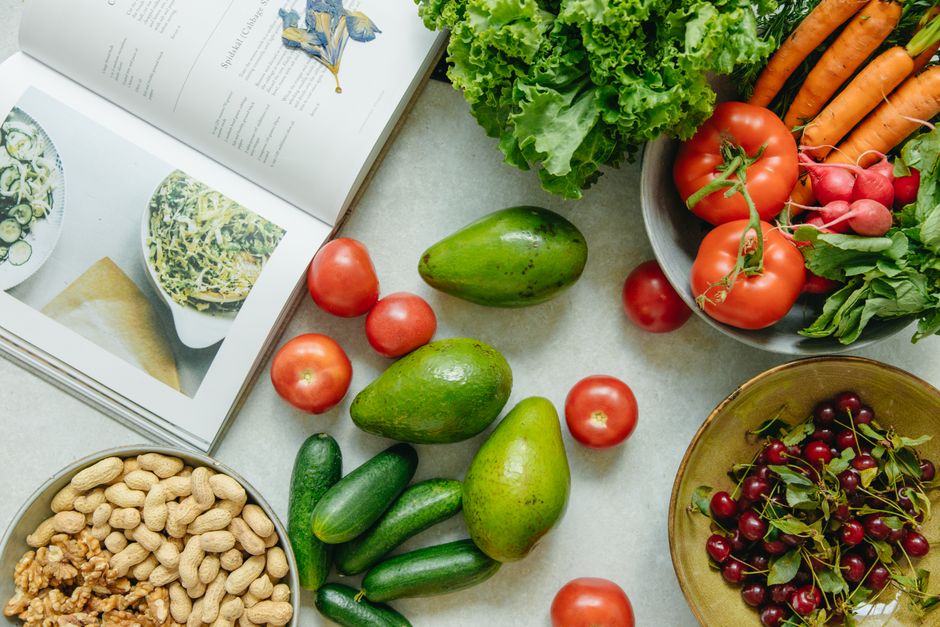
Avocados are picked hard and ripe when they reach the grocery store. The ripening process happens after harvest, driven by a natural plant hormone called ethylene. To ripen an avocado faster, you need to trap that ethylene gas around the fruit. The most reliable method is placing the avocado in a brown paper bag at room temperature, which typically speeds up ripening to one to two days. Adding an apple or banana to the bag can shorten that time further, since those fruits release extra ethylene. Avoid the microwave and oven methods you see online—they soften the fruit without developing flavor and can create a cooked texture.
Why Do Avocados Ripen at Different Speeds?
Avocados do not ripen on the tree. They mature there, but the ripening process only starts after they are picked. Once harvested, the fruit begins producing ethylene gas, which triggers the breakdown of starches into sugars and softens the flesh.
The speed of this process depends on several factors. The variety matters—Hass avocados, the most common type in the US, typically ripen in two to five days at room temperature. The harvest date matters too. An avocado picked earlier will take longer to ripen than one picked closer to full maturity. Storage temperature also plays a role. Cold slows ethylene production dramatically, which is why refrigeration keeps avocados firm for days or even weeks.
You can usually gauge ripeness by feel. A ripe avocado yields to gentle pressure, like the palm of your hand when you squeeze it lightly. A hard avocado will not yield at all. A mushy one has gone too far. The stem test also works: flick off the small brown stem at the top. If the flesh underneath is green, the avocado is ready. If it is brown, the fruit is overripe. If the stem does not come off easily, the avocado is not yet ripe.
How Do You Ripen Avocados Fast? The Paper Bag Method
The paper bag method is the most effective home technique because it concentrates the ethylene gas the avocado naturally produces. Place the avocado in a brown paper bag, fold the top closed, and leave it on the counter at room temperature. Check it daily. Most avocados ripen within one to two days using this method.
For faster results, add a ripe banana or apple to the bag. These fruits produce high levels of ethylene gas, which accelerates the ripening of nearby produce. This combination can ripen an avocado in about 24 hours. Some people add a ripe tomato for the same reason, though banana and apple are the most commonly cited options.
Do not use a plastic bag. Plastic traps moisture, which can promote mold growth and create a slimy texture on the avocado skin. Paper allows some airflow while still holding the ethylene gas near the fruit.
How to Ripen an Avocado in the Oven (And Why It Is Not a Good Idea)
Oven methods circulate widely online. The typical approach involves wrapping the avocado in aluminum foil and baking it at 200°F for 10 to 20 minutes. Some versions suggest lower temperatures for longer times.
This method does soften the avocado. The heat breaks down cell walls, making the flesh tender. But it does not actually ripen the fruit in the biological sense. Ripening involves enzymatic changes that develop flavor and create the creamy, nutty taste people expect. Heat destroys those enzymes. The result is a soft avocado that tastes bitter or bland, sometimes with a cooked or metallic flavor.
If you need a soft avocado for guacamole tonight and only have a hard one, the oven method can work in a pinch. But the flavor will be noticeably different. For salads, toast, or any dish where the avocado is the star, it is better to plan ahead and use the paper bag method.





Can You Ripen an Avocado in the Microwave?
The microwave method is faster but worse. Microwaving an avocado for 30 to 60 seconds will soften it, but it also cooks the flesh unevenly. The result is a hot, mushy exterior with a hard core. The flavor becomes bitter, and the texture turns pasty.
There is no evidence that microwaving produces a palatable result. The method is popular because it is quick, but it fails on the most important measure: taste. If you have tried it and been disappointed, the problem is not your technique. The method itself does not work well.
Skip the microwave entirely. The time saved is not worth the ruined fruit. A hard avocado is better used in a recipe that does not require ripe flesh, such as pickled avocado or a firm salad topping.
How to Store Avocados After They Ripen
Once an avocado reaches the right softness, it stops ripening when you put it in the refrigerator. Cold temperatures slow ethylene production to near zero. A ripe avocado can last two to three days in the fridge before it starts to brown and spoil.
If you only need half an avocado, keep the pit in the unused half and wrap it tightly in plastic wrap or store it in an airtight container. The pit does not actually prevent browning—that is a myth. The browning comes from oxygen exposure, so the airtight seal is what matters. Sprinkling lemon or lime juice on the cut surface also helps, because the acid slows the enzymatic browning reaction.
For longer storage, you can freeze avocado. Mash it with a little lemon juice and store it in an airtight container or freezer bag. Frozen avocado keeps for three to six months. The texture changes after thawing—it becomes softer and slightly watery—so it is best used in smoothies, soups, or guacamole rather than sliced on toast.
How to Choose an Avocado That Will Ripen Well
Start with a good avocado and the ripening process becomes predictable. Look for fruit that is heavy for its size, which indicates it has not dried out. The skin should be free of deep dents, cracks, or soft spots. A few small blemishes are normal and do not affect the flesh.
Color is a rough guide but not a reliable one. Dark skin usually means riper, but some varieties stay green even when fully ripe. The best approach is to squeeze gently. A ripe avocado yields slightly. A hard avocado needs one to three days at room temperature. An avocado that feels mushy or has a sunken spot is overripe and will not improve.
If you need an avocado today, buy one that is already ripe. If you need one in two days, buy a slightly firm one and use the paper bag method. If you need one in five days, buy a hard one and leave it on the counter without the bag.
Common Mistakes That Slow Down Ripening
Refrigerating an unripe avocado is the most common mistake. Cold stops the ripening process almost entirely. An unripe avocado in the fridge can stay hard for a week or more. Always ripen at room temperature first, then refrigerate once ripe.
Washing the avocado before ripening can also slow things down. The natural wax on the skin helps regulate moisture loss. Washing removes some of that protection, which can affect texture. Wait until you are ready to eat it before washing.
Cutting an avocado open before it is ripe does not speed up ripening. Once cut, the flesh begins to oxidize and brown, and the fruit will not soften further in a useful way. Always ripen whole avocados.
Frequently Asked Questions
How long does it take to ripen an avocado in a paper bag?
One to two days at room temperature. Adding a banana or apple to the bag can shorten that to about 24 hours.
Can you ripen an avocado in the microwave?
Technically yes, but it cooks the flesh and ruins the flavor. The avocado will soften but taste bitter and have an uneven texture.
Does putting an avocado in rice make it ripen faster?
Some people report that burying an avocado in uncooked rice works, but there is no evidence it is more effective than a paper bag. The rice may simply trap ethylene gas similarly, though it also absorbs moisture.
How do you know when an avocado is ripe?
Gently squeeze the avocado in your palm. It should yield to light pressure without feeling mushy. The small stem at the top should also come off easily and reveal green flesh underneath.
