
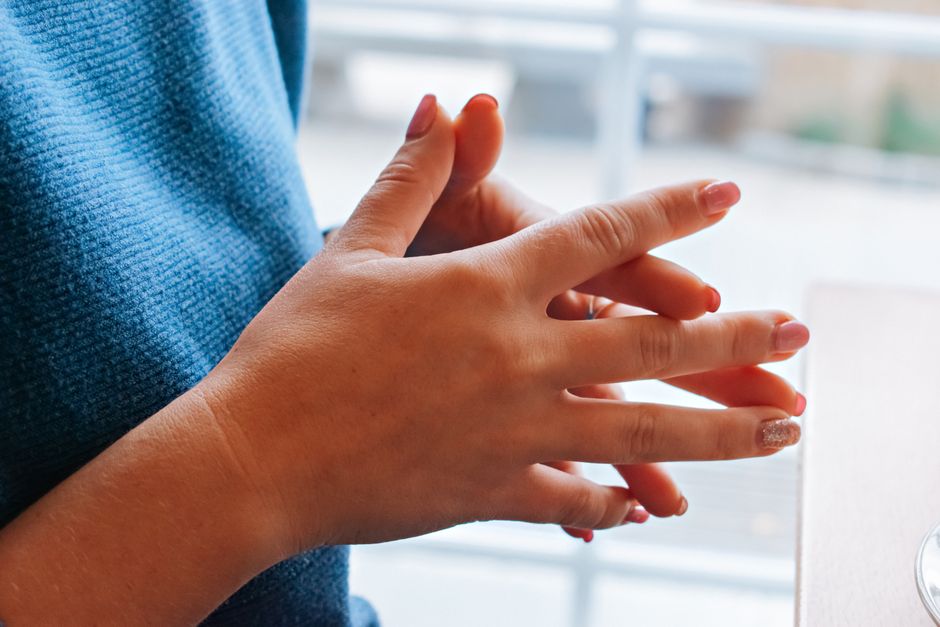
Swollen hands happen when fluid builds up in the tissues of your fingers, hands, or wrists. This fluid retention, called edema, can make your hands feel tight, puffy, and uncomfortable. Most causes are temporary and harmless, but some need medical attention.
What Causes Swollen Hands in Everyday Life?
Heat is one of the most common triggers. When your body gets hot, your blood vessels expand to release heat. This expansion lets fluid leak into surrounding tissue. Your hands may swell noticeably during summer walks, hot showers, or time in a warm kitchen.
Sitting or standing still for long periods also causes pooling. Your body relies on movement to pump fluid back toward your heart. When you keep your hands down for hours, gravity pulls fluid into them. This is why long flights or car rides often lead to puffy fingers.
Eating too much salt is another frequent cause. Sodium makes your body hold onto water. A single high-sodium meal can cause temporary swelling that lasts a day or two. Processed foods, restaurant meals, and salty snacks are the biggest contributors.
Hormonal changes play a role too. Many women notice hand swelling during their menstrual cycle or pregnancy. Progesterone and estrogen shifts affect how your body manages fluids. This type of swelling usually resolves on its own.
Key point: These everyday causes are normal. They do not signal disease. If your hands swell only in heat or after a salty meal and return to normal, you likely have nothing to worry about.
What Medical Conditions Cause Swollen Hands?
Several health conditions can cause persistent or recurring hand swelling. The most common is arthritis. Both osteoarthritis and rheumatoid arthritis cause joint inflammation that makes fingers look puffy. Rheumatoid arthritis often affects both hands equally and may cause morning stiffness lasting more than 30 minutes.
Lymphedema happens when your lymphatic system cannot drain fluid properly. This can occur after lymph node removal during cancer treatment. It can also happen from infections or injuries that damage lymph vessels. The swelling feels firm and does not pit when pressed.
Kidney disease affects your body’s ability to remove excess fluid. When kidneys are not working well, fluid builds up everywhere, including your hands. This swelling is usually accompanied by puffiness in your ankles and around your eyes.
Heart failure is a serious cause. When your heart pumps less efficiently, blood backs up in your veins. Fluid leaks into tissues, causing swelling in hands, feet, and ankles. This type of swelling is often worse in the evening and may be accompanied by shortness of breath.
Thyroid disorders, especially hypothyroidism, can cause hand swelling. An underactive thyroid slows your metabolism and makes your tissues retain fluid. The swelling is often described as non-pitting, meaning the skin does not stay indented when pressed.
What Medications Can Cause Hand Swelling?
Many common medications list fluid retention as a side effect. Blood pressure drugs, particularly calcium channel blockers like amlodipine, frequently cause ankle and hand swelling. This happens because these drugs relax blood vessels, which lets more fluid leak out.
Nonsteroidal anti-inflammatory drugs (NSAIDs) like ibuprofen and naproxen can also cause swelling. They affect kidney function and sodium balance. Taking them regularly for pain can lead to noticeable puffiness in your hands.
Steroids, including prednisone and cortisone, cause significant fluid retention. This is why people on high doses of steroids often look puffy. The swelling usually goes down when the medication is stopped or reduced.
Hormone therapies, including birth control pills and hormone replacement therapy, can cause fluid retention in some women. Antidepressants, particularly MAO inhibitors, have also been linked to hand swelling.
Diabetes medications called thiazolidinediones, like pioglitazone, can cause fluid retention. This is less common with newer drugs but still worth noting if you notice swelling after starting a new medication.
Important: Never stop a prescribed medication because of swelling without talking to your doctor. Many medications have serious withdrawal risks.





How Do You Know If Swollen Hands Are Serious?
Most hand swelling is harmless, but some signs warrant a call to your doctor. The table below compares normal vs. concerning symptoms.
| Normal Swelling | Concerning Swelling |
|---|---|
| Comes and goes with heat or activity | Persistent and getting worse |
| Only in hands | Accompanied by leg or foot swelling |
| No pain | Painful or tender to touch |
| Resolves overnight | Worse in the morning |
| Pits when pressed | Firm, non-pitting swelling |
| No other symptoms | With shortness of breath, fatigue, or weight gain |
Seek emergency care if swelling comes on suddenly and is accompanied by chest pain, difficulty breathing, or confusion. These could signal a blood clot or heart problem.
If swelling is only in one hand and is warm, red, and painful, it could be an infection or deep vein thrombosis. This requires immediate medical evaluation.
What Actually Reduces Swollen Hands?
Movement is the most effective remedy. Pumping your hands, making fists, and stretching your fingers helps push fluid back into circulation. Walking with your arms swinging also helps. Even five minutes of hand exercises can reduce noticeable swelling.
Elevation works well. Hold your hands above heart level for 15-20 minutes. Gravity helps drain fluid away. Lying down with your arms on pillows works best.
Compression garments can help for chronic swelling. Compression gloves apply gentle pressure that prevents fluid from pooling. They are especially helpful for people with arthritis or lymphedema.
Reducing salt intake makes a real difference. Current research suggests that most Americans consume more than double the recommended amount of sodium. Cutting back for even a few days can reduce fluid retention noticeably.
Hydration seems counterintuitive but helps. When you are dehydrated, your body holds onto water. Drinking enough water signals your body that it can release excess fluid. Aim for water throughout the day, not just when you feel thirsty.
Cold water immersion can reduce swelling from heat or exercise. Submerging your hands in cool, not ice-cold, water for 10 minutes constricts blood vessels and reduces fluid leakage. Do not use ice directly on the skin.
What Common Myths About Swollen Hands Should You Ignore?
One widespread myth is that popping your knuckles causes hand swelling. This is false. Research has consistently shown no link between knuckle cracking and swelling or arthritis. The sound comes from gas bubbles in joint fluid, not from damage.
Another myth is that drinking less water reduces swelling. This is backward. Dehydration actually makes your body retain more fluid. Proper hydration helps your kidneys flush out excess sodium and water.
Some people believe that wearing tight rings or bracelets causes hand swelling. This is not accurate. Tight jewelry can become uncomfortable when hands are already swollen, but it does not cause the swelling. The underlying fluid retention is the real issue.
There is also a claim that apple cider vinegar or other home remedies can cure hand swelling. As of 2026, there is no clinical evidence that any dietary supplement reliably reduces edema. Some people report mild effects from anti-inflammatory foods, but strong evidence is limited.
Frequently Asked Questions
Frequently Asked Questions
Can dehydration cause swollen hands?
Yes, dehydration can paradoxically cause fluid retention. When your body senses low water levels, it holds onto the water it has, which can lead to swelling.
Should I stop taking blood pressure medication if my hands swell?
No, never stop blood pressure medication without talking to your doctor. The swelling is usually manageable and the medication protects your heart and blood vessels.
How long does heat-related hand swelling last?
Heat-related swelling usually resolves within a few hours once you cool down and move around. If it persists longer than 24 hours, it may have another cause.
Is hand swelling during pregnancy dangerous?
Mild hand swelling is normal in pregnancy. However, sudden or severe swelling, especially with headache or vision changes, could be preeclampsia and needs immediate medical attention.
