
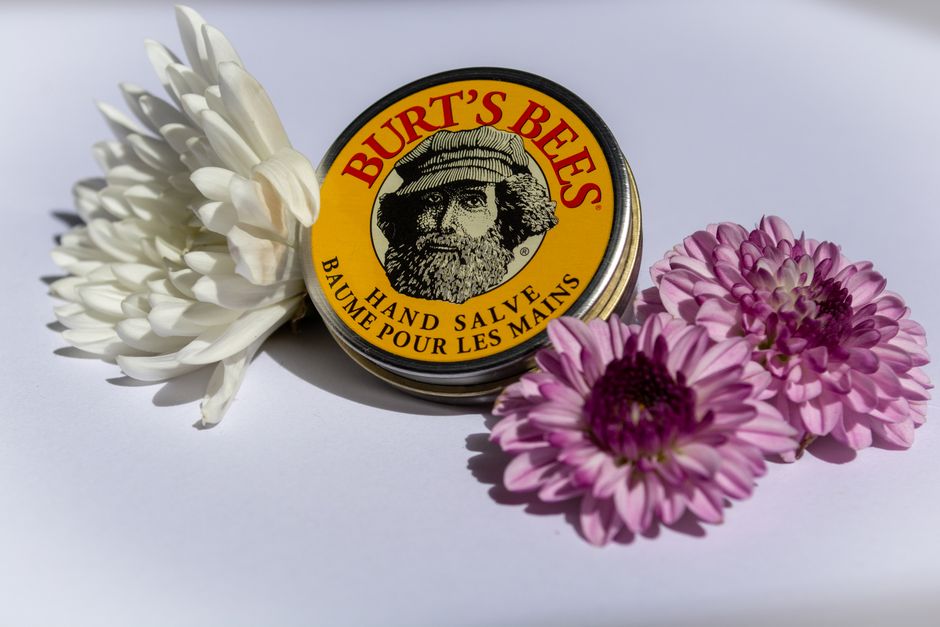
Arnica salve is a herbal remedy made from the flowers of the arnica plant. You make it by infusing dried arnica flowers in a carrier oil, then mixing that infused oil with beeswax to create a solid balm. This homemade salve is applied to the skin to help reduce bruising, swelling, and muscle soreness. The process takes about two weeks for the oil infusion, but the actual hands-on time is under an hour.
What Is Arnica And How Does It Work For Bruises?
Arnica is a perennial plant that grows in mountainous regions of Europe and North America. The yellow flower heads contain compounds called sesquiterpene lactones. These compounds have anti-inflammatory properties.
When you apply arnica to the skin, these compounds are absorbed locally. They help reduce swelling and inflammation in the tissues underneath. This is why arnica is commonly used for bruises, sprains, and muscle aches.
The anti-inflammatory effect works by reducing the activity of certain immune cells called neutrophils. Fewer active neutrophils at the injury site means less swelling and faster healing. Some research also suggests arnica may help reabsorb blood from bruised tissue more quickly.
What arnica does not do is heal broken skin or treat deep internal injuries. It is strictly for surface-level bruises and muscle soreness on intact skin.
What You Need To Make Arnica Salve
The ingredient list is short. You need dried arnica flowers, a carrier oil, and beeswax.
Dried arnica flowers. These are available from herbal supply stores or online retailers. Do not use fresh flowers. Fresh flowers contain too much moisture, which can cause mold in your infusion. Make sure the flowers are labeled for external use only.
A carrier oil. Olive oil is the most common choice. It is stable and readily available. Other options include almond oil, jojoba oil, or sunflower oil. Each has a slightly different feel on the skin. Olive oil is thicker. Almond oil absorbs faster. Any of them work fine.
Beeswax. This gives the salve its solid texture. Use natural beeswax pellets or a block of beeswax. The ratio of oil to beeswax determines how firm the final salve is. More beeswax makes a harder balm. Less beeswax makes a softer salve.
Optional additions. Some people add vitamin E oil as a natural preservative. Others add essential oils like lavender or peppermint for scent. These are optional and not required for the salve to work.
You also need a glass jar for the infusion, a small saucepan or double boiler, and storage containers for the finished salve.
How To Make Arnica Salve For Aches And Bruises
The process has two stages. First you infuse the oil. Then you turn that infused oil into a salve.
Stage 1: Infuse the oil.
Place dried arnica flowers in a clean glass jar. Fill the jar about halfway with flowers. Pour your carrier oil over the flowers until they are completely covered. The flowers should be submerged by at least one inch of oil.
Seal the jar tightly. Place it in a warm spot out of direct sunlight. A kitchen counter works well. Let it sit for two to four weeks. Shake the jar gently every day or two.
After two to four weeks, strain the oil through a fine mesh strainer lined with cheesecloth. Squeeze the cloth to extract as much oil as possible. Discard the spent flowers. Store the infused oil in a clean jar.
For a faster method, you can use a slow cooker or double boiler. Heat the oil and flowers together on the lowest setting for three to four hours. Do not let the oil get hot enough to fry the flowers. Warm is fine. Hot damages the active compounds. Strain as described above.
Stage 2: Make the salve.
Measure your infused oil. A typical batch uses about one cup of oil. Pour the oil into a small saucepan or double boiler. Add beeswax. A common ratio is one ounce of beeswax per cup of oil. This makes a firm but spreadable salve.
Heat gently until the beeswax melts completely. Stir to combine. Remove from heat. If you are adding vitamin E or essential oils, add them now and stir.
Pour the liquid into your storage containers. Small metal tins or glass jars work well. Let the salve cool completely before putting the lids on. It will solidify as it cools.
Label each container clearly. Include the date and a note that this is for external use only.



How To Use Arnica Salve Safely
Apply a small amount of salve to the bruised or sore area. Massage it gently into the skin. Use it two to three times per day as needed.
Only apply arnica salve to intact skin. Do not use it on open wounds, cuts, or broken skin. The compounds in arnica are too strong for damaged skin and can cause irritation.
Wash your hands after applying the salve. Keep it away from your eyes, mouth, and other mucous membranes.
Discontinue use if you develop a rash, redness, or itching. Some people are sensitive to arnica. A patch test on a small area of skin is a good idea before using it on a larger area.
When To Avoid Arnica Salve
Arnica is toxic if swallowed. Never ingest arnica salve or arnica flowers in any form. Keep the salve out of reach of children and pets.
Do not use arnica salve if you are pregnant or breastfeeding. There is not enough research to confirm it is safe during these times. Some sources advise against it entirely.
People with allergies to plants in the Asteraceae family should be cautious. This includes ragweed, chrysanthemums, marigolds, and daisies. If you know you are allergic to any of these, skip arnica.
Do not use arnica salve on large areas of skin or for more than two weeks at a time. Extended use on large body surfaces has not been studied for safety.
If you bruise very easily or have a bleeding disorder, talk to your doctor before using arnica. The same applies if you take blood-thinning medications like warfarin.
Does Arnica Salve Really Work? What The Evidence Says
The evidence for arnica is mixed but leans positive for topical use on bruises and muscle soreness.
Some studies have found that arnica gel reduces bruising after surgery or cosmetic procedures like laser treatments. A study published in the British Journal of Dermatology found that arnica cream reduced bruising after eyelid surgery more effectively than placebo.
Other research has looked at arnica for muscle soreness after exercise. Results vary. Some studies show reduced soreness. Others find no difference compared to placebo.
No large clinical trial has confirmed that homemade arnica salve works better than store-bought versions. The active compounds are the same if you use quality dried flowers and infuse them properly.
The National Center for Complementary and Integrative Health states that arnica applied to the skin is generally safe but that evidence for its effectiveness is limited. This is an honest summary of where the science stands.
For minor bruises and everyday muscle soreness, arnica salve is a reasonable option. It will not fix a serious injury or replace medical treatment. But as a home remedy with a long history of traditional use, many people find it helpful.
Frequently Asked Questions
Can I use fresh arnica flowers instead of dried?
No. Fresh flowers contain too much moisture, which can cause mold and bacteria growth in your oil infusion. Always use dried arnica flowers.
How long does homemade arnica salve last?
Stored in a cool dark place, it stays good for six months to one year. Adding vitamin E oil as a preservative can extend the shelf life.
Is arnica salve safe to use on children?
There is not enough research to confirm safety in children. Most herbalists recommend avoiding arnica for children under two years old. For older children, use sparingly and only on intact skin.
Can I add other ingredients to arnica salve?
Yes. Common additions include vitamin E oil as a preservative and essential oils like lavender for scent. Do not add any ingredient that could irritate skin or change the safety profile.
