
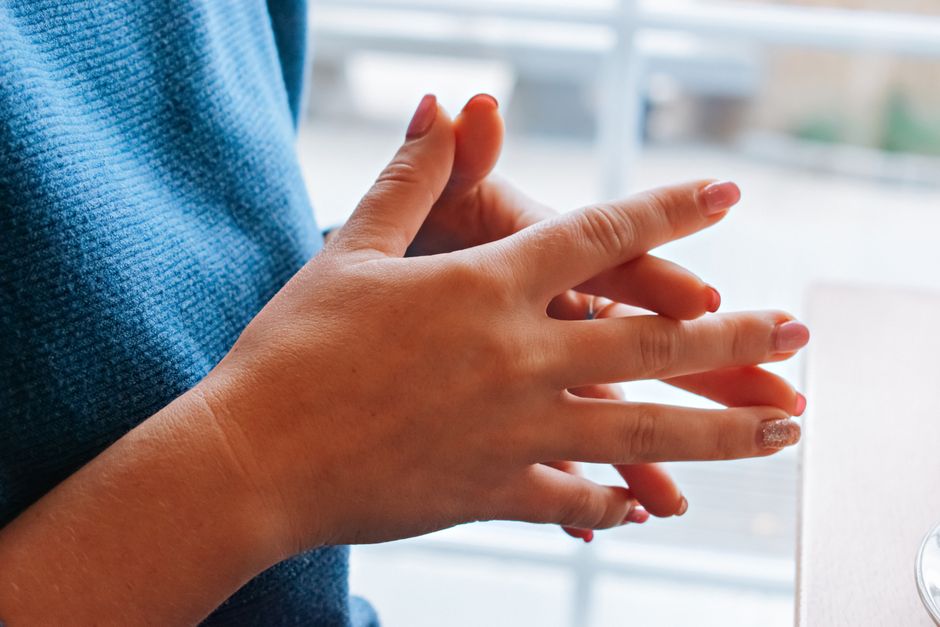
You feel a surge of excitement, and before you realize it, your hands start flapping. It might be at a concert, after good news, or while watching a favorite show. This is a form of stimming — self-stimulatory behavior. Hand flapping when excited is a natural way your body releases extra energy or manages intense feelings. It is not a problem or something to be ashamed of. For many people, it simply feels good.
What Is Stimming?
Stimming refers to repetitive movements, sounds, or actions that help regulate your nervous system. Common examples include rocking, spinning, tapping fingers, or repeating a word. Everyone stims to some degree. Tapping your foot while thinking or twirling your hair when nervous are mild forms. Stimming becomes more noticeable when it is frequent, intense, or interferes with daily life.
Stimming serves several purposes. It can calm you when you are overwhelmed. It can also channel excitement or focus your attention. The movements release dopamine, a brain chemical linked to pleasure and reward. This is why stimming feels satisfying, even when you are not aware you are doing it.
Why Do People Flap Their Hands When Excited?
Hand flapping is a classic stimming behavior, especially during strong positive emotions. When you feel intense excitement, your body produces more adrenaline and cortisol. Hand flapping helps burn off that extra energy. It also provides sensory input — the motion, the feeling of air on your skin, the sight of your hands moving — which can be grounding.
Some researchers believe hand flapping helps regulate an overloaded sensory system. Excitement can be as overwhelming as anxiety. The repetitive movement creates a predictable rhythm that your brain finds soothing. For many autistic people, this is a key reason for hand flapping. But neurotypical adults and children also do it, particularly in moments of joy. Think of a toddler jumping and flapping when they see a favorite toy. The behavior does not automatically mean something is wrong.
It is worth noting that hand flapping is not always linked to excitement. Some people flap when they are anxious, frustrated, or trying to concentrate. The same movement can serve different emotional needs depending on the moment.
Is Hand Flapping Always a Sign of Autism?
No. Hand flapping is one of the behaviors associated with autism spectrum disorder, but it is not exclusive to it. Many autistic children and adults flap their hands when happy, but so do many people without autism. The difference is often the frequency, intensity, and context.
In autism, stimming can be more persistent and harder to interrupt. It may occur across many situations, not just during strong emotions. However, a single behavior like hand flapping is never enough to diagnose autism. Diagnosis involves patterns of social communication differences, restricted interests, and sensory sensitivities. If hand flapping is the only trait you notice, it is likely just a harmless habit.
Other conditions can also involve repetitive hand movements. Tourette syndrome causes tics, which are different from stims. Tics are usually sudden, brief, and feel involuntary. Stims are more rhythmic and often feel voluntary or comforting. A doctor can distinguish between them if needed.





When Should You Be Concerned About Hand Flapping?
For most people, hand flapping when excited is harmless and does not need changing. You should only consider seeking advice if the behavior causes problems. Problems might include:
- Physical injury, such as hitting objects or yourself repeatedly.
- Social difficulties, like bullying or being avoided because of the flapping.
- Interference with daily tasks, such as difficulty writing or eating when excited.
- Accompanying other concerning signs, such as loss of language skills, social withdrawal, or repetitive behaviors that dominate daily life.
In children, hand flapping that continues past toddler years without other developmental concerns is usually fine. But if you also notice delayed speech, lack of eye contact, or difficulty connecting with others, it is reasonable to discuss with a pediatrician. The doctor can screen for autism or other neurodevelopmental conditions.
There is no official threshold for “too much” hand flapping. The main question is whether the behavior is causing distress or impairment. If not, there is no need to stop it.
Can You Stop Hand Flapping?
Yes, you can learn to reduce or redirect hand flapping if you want to. But you do not have to stop it. Many people find it helpful and harmless. If you decide to change it, the goal should not be to suppress the feeling. Stimming meets a real need. Instead, you can substitute a less noticeable movement or do it in private.
Common strategies include squeezing a stress ball, rubbing a smooth stone, or tapping your fingers against your thigh. These provide similar sensory input without obvious flapping. Some people choose to let their hands flap only at home or in safe spaces. Occupational therapists can help develop personalized strategies, especially for children who are teased or struggling.
It is important to know that forcing someone to stop stimming completely can cause distress. Resistance to stopping is a sign that the behavior is serving an important function. Respect that need. If the flapping is mild and only happens during excitement, it is probably best to leave it alone.
What Does Hand Flapping Look Like in Adults?
Adults who flap their hands when excited often do it more subtly than children. The movement might be smaller — a quick shake of the wrists or a brief flick of the fingers. Some adults suppress it in public but release it when alone. Others embrace it openly and find it does not interfere with their lives.
In adulthood, hand flapping is sometimes linked to undiagnosed autism. Many adults realize later in life that they have autistic traits they never recognized. If you have always flapped your hands when happy and it feels natural, there is no need to change it. Understanding it as a form of stimming can reduce any shame or confusion you might have felt.
Can Excitement Cause Hand Flapping Without Autism?
Yes. Strong emotions of any kind can trigger repetitive movements in anyone. You do not need a diagnosis. Think of how people jump up and down when their team scores, or how some people clap rhythmically at a concert. Hand flapping is simply a more focused version of that same impulse.
The nervous system responds to excitement with increased arousal. Movement helps dissipate that arousal and return to baseline. This is a universal biological mechanism. Some people have a lower threshold for expressing it through hand flapping. That is normal variation, not a disorder.
If you only flap when truly excited and the movement feels spontaneous and good, it is likely just your body’s way of celebrating. There is no evidence that this signals any underlying health problem.
Does Hand Flapping Change With Age?
Hand flapping is most visible in early childhood, between ages 1 and 3. Many toddlers do it as part of normal development. It usually decreases on its own as children learn other ways to express excitement, such as jumping or talking. However, some people continue into adulthood, especially if they are autistic or if the behavior remains rewarding.
There is no research showing that hand flapping is harmful or that it gets worse with age. If you have flapped your hands since childhood and still do it, it is likely a stable trait. Aging does not typically change it, though life stress or medications might affect frequency.
Is Hand Flapping Related to Other Repetitive Movements?
Yes. Hand flapping is part of a family of behaviors called stereotypic movement behaviors. Other examples include rocking, spinning, head banging, and hand wringing. In autism, these often cluster together. In neurotypical individuals, a person might have only one or two.
Some conditions involve more concerning repetitive movements. Tardive dyskinesia, caused by certain medications, can produce involuntary hand movements. These are different from stimming because they are not triggered by emotion and feel out of control. If you or someone you know develops repetitive hand movements after starting a new medicine, consult a doctor.
Overall, hand flapping when excited is a normal variation in human behavior. It becomes a concern only when it causes harm or when it appears alongside other signs of a neurological condition.
Frequently Asked Questions
Is hand flapping always a sign of autism?
No. Many people without autism flap their hands when excited or overwhelmed. It becomes more suggestive of autism when it is frequent, intense, and accompanied by social or communication difficulties.
Can adults develop hand flapping later in life?
Unlikely as a new behavior. If it appears suddenly in adulthood, it could be a side effect of medication, a tic disorder, or a neurological issue worth discussing with a doctor.
Should I stop my child from flapping their hands?
Not unless it causes injury or serious social problems. Flapping is usually harmless and helps your child regulate emotions. Forcing them to stop can cause more distress.
Why does hand flapping feel good when I am excited?
The repetitive movement releases dopamine in your brain, which creates a feeling of pleasure or satisfaction. It also physically burns off excess energy from the excitement.
