
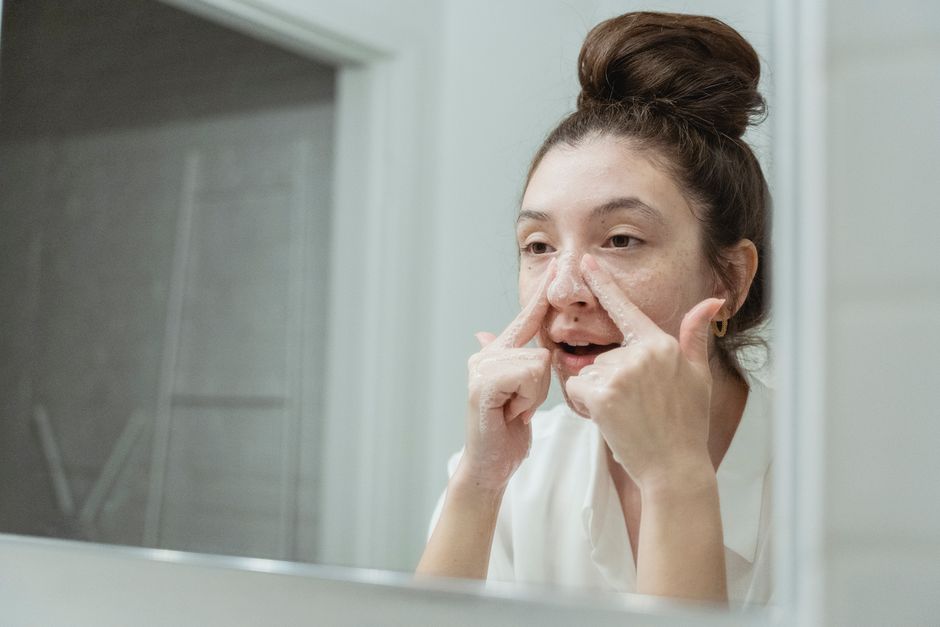
Adult acne is not teenage acne that simply lingered. It is a different condition with different triggers, and it often requires a different approach. Spots on an adult face typically stem from a combination of hormonal fluctuations, stress responses, and the everyday products you put on your skin, rather than from diet or poor hygiene alone. Understanding the specific root cause of your breakouts is the first step toward managing them effectively.
What Causes Spots On Your Face As An Adult? Root Causes Explained
The short answer is that adult spots are usually driven by hormones. Androgens, which are present in both men and women, stimulate the sebaceous glands to produce more oil. When that oil mixes with dead skin cells, it can clog pores. The bacteria that live on everyone’s skin, Cutibacterium acnes, then multiply in the blocked pore, causing inflammation and a visible spot.
But hormones are not the whole story. The skin barrier weakens with age and sun exposure. This makes the skin more reactive to irritants and more prone to the inflammation that turns a clogged pore into a red, painful spot. In adults, the process is often slower and deeper than in teenagers, which is why adult spots frequently appear as tender, under-the-skin bumps rather than surface whiteheads.
Why Do Hormones Trigger Adult Breakouts?
Hormonal fluctuations are the most common driver of adult acne, particularly in women. The menstrual cycle causes estrogen and progesterone levels to rise and fall each month. In the week before a period, estrogen drops while androgens remain relatively stable. This shift increases oil production and makes skin cells stickier, which is why many women see breakouts in the same spot every month, usually along the jawline and chin.
Perimenopause and menopause also change the skin’s balance. As estrogen declines, the skin produces less collagen and becomes drier. Ironically, the sebaceous glands can still produce oil, and the drier surface skin can trap that oil more easily. Some women in their 40s and 50s develop acne for the first time in years because of this shift.
For men, testosterone levels decline gradually with age, but the skin’s sensitivity to androgens can increase. This means even normal levels of testosterone can trigger excess oil production. The result is the same type of deep, inflamed spots, though men are less likely to connect them to hormones because the link is less obvious without a monthly cycle.
Can Stress Really Cause Spots?
Yes, stress is a genuine trigger, not a myth. When you are under pressure, your body releases cortisol, the primary stress hormone. Cortisol directly stimulates the sebaceous glands to produce more oil. It also increases inflammation throughout the body, which makes existing clogged pores more likely to become red and painful.
Research has consistently shown a link between psychological stress and acne severity. One study of university students found that those reporting higher stress levels during exams had more severe breakouts. The mechanism is clear: stress increases oil production, and stress hormones amplify inflammation. This is why a spot that might have stayed small and unnoticeable can become a large, angry bump during a difficult week.
Sleep matters here too. Poor sleep raises cortisol levels the next day. If you are chronically sleep-deprived, your body is in a low-grade stress state, and your skin reflects that. Managing stress is not just about feeling better mentally. It directly affects the physiology of your skin.





Why Do Skin Products Cause Breakouts?
Your skincare routine can be the hidden cause of adult spots. The condition has a specific name: acne cosmetica. It occurs when products clog the pores over time. This is not an allergic reaction. It is a physical blockage caused by ingredients that are too heavy or occlusive for your skin type.
Common culprits include thick moisturizers, heavy foundations, and certain sunscreens. Ingredients like cocoa butter, coconut oil, and silicones are known to be comedogenic, meaning they have a higher tendency to clog pores. However, everyone’s skin is different. A product that is fine for one person may cause breakouts in another.
The tricky part is that acne cosmetica does not appear overnight. It usually develops over weeks or months. You might not connect a new spot to a moisturizer you started using two months ago. The breakouts typically appear on the cheeks, chin, and forehead, where you apply the product most heavily. If your spots are scattered across your face and you have not changed your routine recently, review every product you use, including hair products and makeup.
Is Diet Actually Linked to Adult Spots?
The evidence on diet and acne is mixed, but it is not nonexistent. The strongest link is with high-glycemic foods, which cause rapid spikes in blood sugar. When blood sugar spikes, the body releases insulin and insulin-like growth factor-1 (IGF-1). These hormones can increase oil production and skin cell turnover, both of which contribute to clogged pores.
Some research suggests that dairy, particularly skim milk, may be associated with acne. The theory is that hormones naturally present in milk can influence the skin’s oil glands. However, the evidence is not strong enough to say that dairy causes acne in everyone. Some people notice a clear connection; others see no change at all.
The honest position is this: diet is not the primary cause of adult acne for most people. If you have persistent spots, it is worth experimenting with reducing high-glycemic foods for a few weeks to see if your skin improves. But do not expect dietary changes alone to clear your skin if hormones or products are the real driver.
When Are Spots a Sign of Something Else?
Not every bump on an adult face is acne. Rosacea is a common condition that causes redness and small, pus-filled bumps, usually on the nose and cheeks. It is often mistaken for acne, but the treatment is completely different. Acne medications can actually irritate rosacea and make it worse.
Other conditions can mimic spots too. Folliculitis is an inflammation of the hair follicles that looks like small red bumps. Contact dermatitis from an irritant can cause a bumpy rash. Even certain types of skin cancer can appear as a persistent, non-healing spot that looks like a pimple that never goes away.
If you have a spot that does not heal after several weeks, or if you have persistent redness across your face that does not respond to typical acne treatments, see a dermatologist. They can distinguish between acne and its look-alikes. This distinction matters because the wrong treatment can waste months of time and potentially harm your skin.
How Do You Treat Adult Spots Effectively?
Treatment depends on the root cause, which is why identifying the trigger matters. For hormonal acne, dermatologists often recommend topical retinoids, which normalize skin cell turnover and keep pores clear. These are available in both over-the-counter forms and stronger prescription versions.
For women with persistent hormonal acne, certain birth control pills are approved by the FDA for acne treatment. They work by reducing androgen levels. Spironolactone is another prescription option that blocks androgens from affecting the skin. Both require a doctor’s prescription and are not appropriate for everyone, so they must be discussed with a healthcare provider.
For product-related breakouts, the fix is simpler. Stop using the suspected product and see if your skin clears over a few weeks. Choose non-comedogenic products labeled as such, though remember that this label is not a guarantee. Your skin is the final judge.
Over-the-counter benzoyl peroxide and salicylic acid can help with mild breakouts. Benzoyl peroxide kills bacteria and reduces inflammation. Salicylic acid helps unclog pores. Neither works overnight. Consistent daily use for at least six to eight weeks is typically needed before you see meaningful improvement.
When Should You See a Dermatologist?
You should see a dermatologist if your spots are painful, deep, or leaving scars. You should also see one if over-the-counter treatments have not helped after two to three months of consistent use. Persistent acne is not just a cosmetic issue. It can cause permanent scarring and significant emotional distress.
A dermatologist can prescribe stronger treatments, such as topical antibiotics, oral antibiotics, or isotretinoin for severe cases. They can also help you identify triggers you might have missed. If your spots are actually rosacea or another condition, they can redirect you to the correct treatment plan.
Do not wait years to seek help. The longer acne persists, the higher the risk of scarring. Early intervention with the right treatment can prevent permanent changes to your skin.
Frequently Asked Questions
Why am I getting spots on my face in my 30s and 40s?
Hormonal fluctuations, stress, and cumulative sun damage all contribute to adult acne. The skin’s barrier weakens with age, making it more reactive to oil and bacteria.
Can changing my skincare routine stop breakouts?
Yes, if the breakouts are caused by comedogenic products. Stop using any product you suspect and switch to non-comedogenic alternatives to see if your skin improves.
Does eating chocolate or greasy food cause spots?
No, there is no strong evidence that chocolate or greasy food directly causes acne. High-glycemic foods may worsen acne in some people, but the effect varies widely between individuals.
How long does it take for acne treatment to work?
Most treatments require at least six to eight weeks of consistent use before showing visible improvement. Prescription treatments may take up to three months to reach full effect.
