
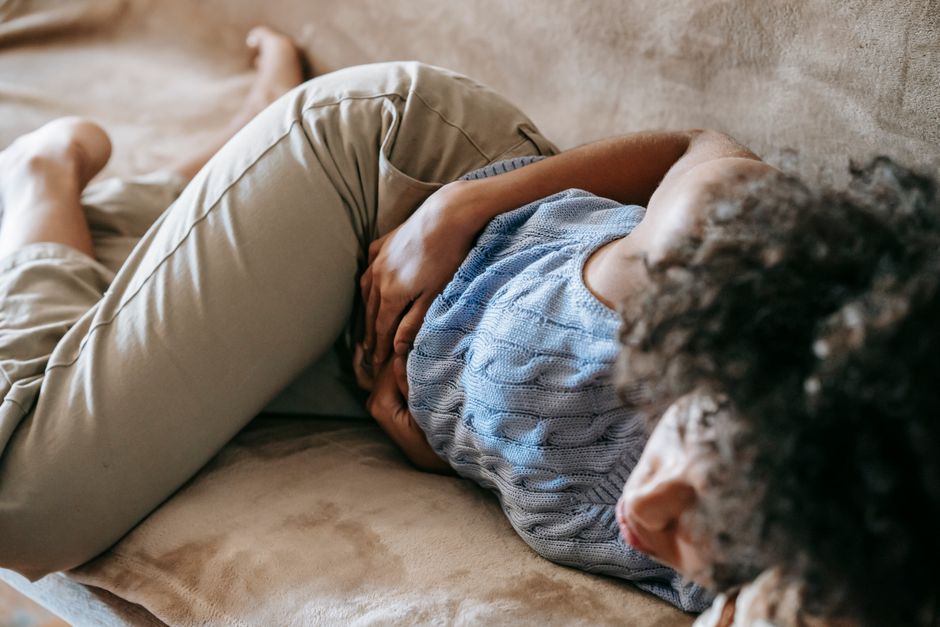
Pain that runs from your hip down to your knee usually comes from a problem in the hip joint itself, not the knee. The hip is a deep ball-and-socket joint, and when it wears down, tears, or becomes inflamed, the pain signal travels along the nerves that serve that region. Because of how those nerves are wired, you feel the ache in your thigh, groin, or outer hip rather than deep inside the joint. The knee often gets blamed simply because it sits at the end of that shared nerve pathway.
What Causes Pain From Hip Down To Knee?
The most common causes fall into a few clear groups. Knowing which group fits your symptoms helps you and your doctor narrow things down faster.
Osteoarthritis of the hip is the leading cause in adults over 50. The cartilage that cushions the joint breaks down over time. Bone rubs against bone. Pain is often felt in the groin and front of the thigh, and it can radiate down toward the knee. It tends to be worse in the morning or after sitting, and it eases with movement. As it advances, the range of motion in the hip shrinks.
Trochanteric bursitis causes pain on the outer side of the hip that can spread down the outside of the thigh. The bursa — a small fluid-filled sac that reduces friction — becomes irritated. Lying on that side often hurts. This is common in runners and in people who have a prior hip injury.
Muscle strain or tendinopathy in the hip flexors, glutes, or hamstrings can refer pain down the thigh. These muscles attach around the hip and run along the leg. Overuse, sudden increases in activity, or poor mechanics can trigger this.
Nerve compression is another route. The sciatic nerve and the femoral nerve both travel from the lower spine through the hip region. A herniated disc, spinal stenosis, or tight muscles in the buttock (piriformis syndrome) can compress these nerves. The result is pain that follows the nerve’s path — down the back or front of the leg, sometimes as far as the knee or below.
Stress fracture of the femoral neck is less common but serious. It causes deep groin pain that worsens with weight-bearing. It is more likely in runners, older adults with low bone density, and people who have recently increased training load.
Avascular necrosis — loss of blood supply to the femoral head — can cause hip and thigh pain that develops gradually. It is associated with long-term corticosteroid use and heavy alcohol use, though many cases have no clear cause.
Why Does Hip Pain Travel Down to the Knee?
The reason is anatomy, not coincidence. The hip joint and the thigh share nerve supply from the lumbar plexus and the sacral plexus — networks of nerves that exit the lower spine. The obturator nerve, femoral nerve, and sciatic nerve all carry signals from the hip region. When the hip joint is damaged or inflamed, those nerves carry pain signals that the brain interprets as coming from the thigh or knee.
This is called referred pain. The brain cannot always tell exactly where a signal originated. It uses the map of nerves it has. Since the hip and the knee share some of the same nerve roots — particularly L3 and L4 — pain from the hip can feel like it is coming from the knee.
Doctors sometimes call this the “hip-knee connection.” It is why a hip problem can show up as knee pain, and why treating the knee alone does not help.
How Can You Tell If the Pain Is Coming From Your Hip or Your Knee?
The location of the pain is a clue, but it is not foolproof. A few patterns help distinguish the source.
- Hip joint pain is usually felt in the groin, the front of the thigh, or the buttock. It may radiate to the knee but rarely goes below it. Rotating the hip inward or outward often reproduces the pain.
- Knee joint pain is felt in the knee itself — front, back, or sides. It worsens with bending, kneeling, or stairs. The hip moves normally.
- Nerve pain follows a specific path. Sciatic pain runs down the back of the leg. Femoral nerve pain runs down the front. It may come with tingling, numbness, or weakness.
- Bursitis is pinpoint tender on the outer hip. Pressing on the greater trochanter — the bony bump on the side of the hip — reproduces the pain.
A simple test: lie on your back and slowly rotate your leg inward (toes pointing toward the other foot). If that reproduces groin or thigh pain, the hip joint is likely involved. If it does not, the source may be elsewhere.





When Should You See a Doctor?
See a doctor promptly if you cannot bear weight on the leg, if the pain started after a fall or accident, or if you have fever, chills, or unexplained weight loss along with the pain. These can signal infection, fracture, or another serious condition.
Also seek care if you have numbness or weakness in the leg, loss of bladder or bowel control, or pain that wakes you at night. Those symptoms need urgent evaluation.
For pain that has lasted more than a few weeks, is getting worse, or is limiting your daily activities, a routine appointment is reasonable. Early assessment often leads to simpler treatment.
What Does Treatment Usually Involve?
Treatment depends on the cause. For most cases of hip osteoarthritis and bursitis, the first steps are conservative: activity modification, physical therapy, and over-the-counter pain relievers. Physical therapy focuses on strengthening the glutes, hip flexors, and core to take load off the joint. Some clinicians recommend corticosteroid injections into the bursa or joint for short-term relief, though evidence for long-term benefit is limited.
For nerve-related pain, treatment targets the source of compression. That may include physical therapy, anti-inflammatory medication, or in some cases, injections or surgery. For stress fractures, rest and protected weight-bearing are standard. Avascular necrosis may require surgery to preserve the joint.
Hip replacement is an option for advanced osteoarthritis that has not responded to other treatments. It is a well-established procedure with good outcomes in appropriately selected patients. It is not a first-line treatment.
No single approach works for everyone. What helps depends on the diagnosis, your age, your activity level, and other health conditions.
What Can You Do at Home?
For mild, non-urgent pain, a few general measures may help. These are not substitutes for medical care.
- Rest from activities that make the pain worse, but avoid complete inactivity — gentle movement helps maintain joint function.
- Apply ice to the painful area for short periods if there is swelling or recent injury.
- Use heat for muscle tightness or stiffness.
- Try low-impact activities like swimming or cycling if they do not aggravate the pain.
- Consider over-the-counter pain relievers if you can take them safely. Follow the label directions.
Stretching and strengthening exercises can help, but the right exercises depend on the cause. A physical therapist can guide you. Doing the wrong exercises for a hip problem can make it worse.
What Is the Outlook?
The outlook varies widely by cause. Bursitis and muscle strains often improve with rest and therapy. Osteoarthritis is a chronic condition that tends to progress slowly, though many people manage it well for years with conservative care. Nerve-related pain may resolve if the compression is relieved, but it can also be persistent.
The key point: pain from the hip down to the knee is a symptom, not a diagnosis. Identifying the underlying cause is what allows effective treatment. If the pain is new, severe, or accompanied by other symptoms, get it checked.
Frequently Asked Questions
Can hip arthritis cause pain down to the knee?
Yes. Hip osteoarthritis commonly causes pain in the groin and thigh that can radiate toward the knee. This happens because the hip and knee share nerve pathways, so the brain may interpret hip pain as coming from the knee.
How do I know if my hip pain is serious?
Seek urgent care if you cannot bear weight, if the pain followed a fall, or if you have fever, numbness, or loss of bladder control. For pain lasting more than a few weeks or getting worse, see a doctor for evaluation.
What is the most common cause of pain from the hip to the knee?
Hip osteoarthritis is the most common cause in adults over 50. Trochanteric bursitis and muscle strain are also frequent, especially in younger or more active people.
Can a pinched nerve cause hip-to-knee pain?
Yes. Compression of the sciatic or femoral nerve can cause pain that travels from the hip down the leg. This may come with tingling, numbness, or weakness, and it needs medical evaluation.
