
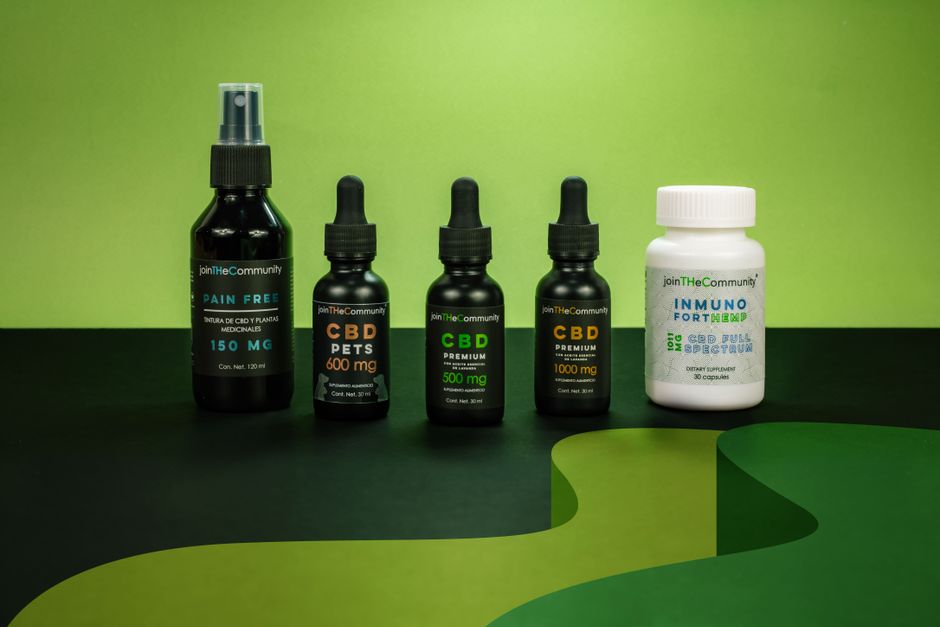
If you are comparing CBD oil and hemp oil for pain relief, the short answer is that CBD oil is the more effective option. Hemp oil, typically made from hemp seeds, contains almost no cannabinoids like CBD. Only CBD oil provides the active compounds that interact with your body’s pain-regulating systems. However, many products are mislabeled, so understanding the difference is essential before buying.
What Is the Difference Between CBD Oil and Hemp Oil?
People often use the terms interchangeably, but they are different products. CBD oil is made from the flowers, leaves, and stalks of hemp plants. It contains cannabidiol (CBD) and other cannabinoids that can influence pain signaling.
Hemp oil most often means hemp seed oil. It is cold-pressed from hemp seeds and contains no significant amount of CBD or other cannabinoids. Hemp seed oil is rich in omega‑3 and omega‑6 fatty acids, but those nutrients do not directly relieve pain in the same way CBD does.
Some manufacturers label their CBD products as “hemp oil” to exploit the legal gray area. If a bottle claims it helps with pain, check the ingredients list. If it contains “cannabidiol” or “full‑spectrum hemp extract,” it is CBD oil. If the only ingredient is hemp seed oil, it will not produce the same effects.
How Does CBD Oil Work for Pain?
CBD interacts with your body’s endocannabinoid system (ECS). The ECS helps regulate pain, inflammation, mood, and sleep. Receptors called CB1 and CB2 are found throughout the nervous system and immune cells. CBD does not bind directly to these receptors like THC does. Instead, it influences how your body uses its own endocannabinoids and may reduce inflammation by interacting with other receptors.
This mechanism is why some researchers believe CBD can help with certain types of pain. Chronic pain, arthritis pain, and nerve pain have received the most study. The effect is generally modest and can vary from person to person.
It is important to note that CBD is not a powerful painkiller like opioids. For severe acute pain, it is unlikely to be enough on its own.
Does Hemp Seed Oil Have Any Pain-Relieving Properties?
Hemp seed oil is a nutritious food. It contains a favorable ratio of omega‑6 to omega‑3 fatty acids, which may help reduce inflammation when consumed as part of a healthy diet. Some laboratory studies suggest that topical application of hemp seed oil might soothe skin inflammation, but there is no strong clinical evidence that it relieves deeper joint or muscle pain.
When applied to the skin, hemp seed oil can act as a moisturizer and may provide temporary relief for dry or irritated skin. It does not contain the cannabinoids needed to target pain pathways inside the body. For genuine pain relief, hemp seed oil is not a substitute for CBD oil.





What Does the Research Say About CBD for Pain?
Clinical research on CBD and pain is still growing. Some studies have found that CBD can reduce pain and improve function in people with conditions like osteoarthritis and chronic back pain. A 2018 review in Frontiers in Pharmacology noted that CBD shows promise for chronic pain, but many of the studies were small or used animal models.
A larger 2020 review of human trials in The Lancet looked at cannabinoids for chronic non‑cancer pain and found that CBD‑dominant products showed only modest benefit compared to placebo. The authors concluded that evidence is limited and that more high‑quality trials are needed.
Some research suggests that CBD may be particularly helpful for neuropathic pain (nerve pain) and for pain related to multiple sclerosis. However, no CBD product has been approved by the FDA specifically for pain treatment. The only FDA‑approved CBD drug is Epidiolex for seizure disorders.
Overall, the evidence supports trying CBD for certain types of pain, but results are not guaranteed. The effect is usually mild to moderate, and not everyone responds.
Which Is Better for Pain: CBD Oil or Hemp Oil?
For the purpose of pain relief, CBD oil is clearly better. Hemp seed oil does not contain the cannabinoids that interact with your body’s pain system. If you buy hemp seed oil expecting pain relief, you will likely be disappointed.
However, “better” also depends on the quality of the CBD oil. Many inexpensive “hemp oils” sold online are actually hemp seed oil with a tiny amount of CBD or no CBD at all. To get the pain‑relieving benefit, you need a product that contains a meaningful amount of cannabidiol. Look for products that provide a total CBD amount in milligrams and that have been third‑party tested.
Full‑spectrum CBD oil contains trace amounts of THC (up to 0.3% in the US), which may enhance pain relief through the entourage effect. Broad‑spectrum CBD has other cannabinoids but no THC. Isolate is pure CBD. Some studies suggest full‑spectrum may be more effective for pain, but the difference is small and not proven for all conditions.
How to Choose a Quality Product for Pain
Because the market is unregulated, product quality varies widely. Here are practical tips:
- Check the label: Look for “cannabidiol” or “full‑spectrum hemp extract” in the ingredients. Hemp seed oil should not be the only ingredient.
- Look for third‑party testing: Reputable brands provide a certificate of analysis from an independent lab. This confirms how much CBD is actually in the product and that it is free of contaminants.
- Choose the right form: For chronic pain, oral tinctures or softgels provide sustained effects. For localized joint or muscle pain, a topical balm or cream with CBD may work better.
- Start with a low dose: There is no official dosing guideline for pain. Most experts recommend starting with a small amount (e.g., 5–10 mg of CBD) twice daily and increasing slowly based on your response.
- Be aware of drug interactions: CBD can interact with certain medications, especially blood thinners. Check with your doctor before starting.
Frequently Asked Questions
Will CBD oil get me high?
No, CBD oil derived from hemp contains very little THC (less than 0.3%), so it does not produce a psychoactive high. Full‑spectrum products have trace THC but not enough to cause intoxication.
How long does it take for CBD oil to work for pain?
When taken under the tongue, effects may begin within 15–30 minutes. Edibles and capsules take 1–2 hours. Topical applications work on the spot but usually require consistent use for several days for best results.
Is hemp seed oil safe to take daily?
Yes, hemp seed oil is safe for daily use in normal food amounts. It is a nutritious oil similar to flaxseed oil. It does not contain cannabinoids, so it will not interact with medications the way CBD can.
What CBD dose should I start with for pain?
No clinical guidelines exist for a standard dose. Most adults start with 5–10 mg of CBD twice daily and gradually increase by 5 mg every few days until pain improves. Always follow the product label and consult your doctor.
