
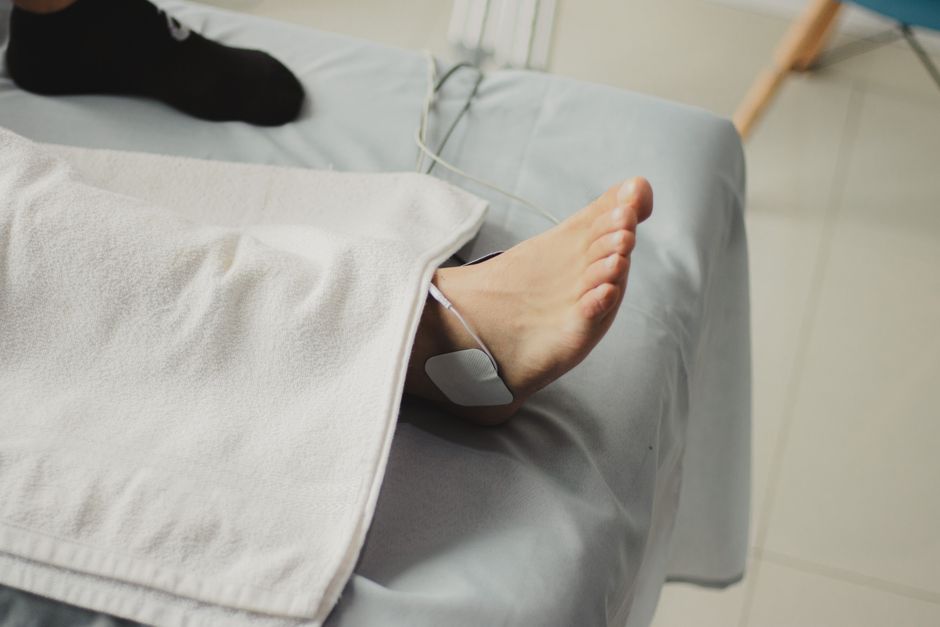
If you have carpal tunnel pain, a TENS unit can provide temporary relief by sending gentle electrical pulses through the skin to interfere with pain signals. To use it correctly, place the electrodes on your wrist and palm over the median nerve path, set the device to a moderate frequency, and adjust the intensity until you feel a strong but comfortable tingling. Use it for 20 to 30 minutes at a time, up to a few times daily.
How does a TENS unit help with carpal tunnel pain?
TENS stands for transcutaneous electrical nerve stimulation. The unit sends mild electrical impulses through electrode pads placed on the skin. These impulses interfere with pain signals traveling to your brain, an effect called the gate control theory of pain. They may also stimulate the release of natural painkillers called endorphins. For carpal tunnel syndrome, the electrical stimulation can reduce the burning, tingling, and aching in your hand and wrist. However, TENS only masks the symptoms. It does not reduce the pressure on the median nerve that causes the condition.
Where should you place the electrodes for carpal tunnel?
Electrode placement is important for getting good results. For carpal tunnel pain, you want to target the median nerve pathway. A common placement is to put one electrode on the front of your wrist, directly over the carpal tunnel area. Place the second electrode on your palm, near the base of your thumb. Some people prefer to place both electrodes on the forearm, about one to two inches apart, over the nerve. Try different positions to see what feels best. Never place electrodes over your eyes, on your head, on broken skin, or on the front of your neck. If your hand is numb, be careful because you might not feel the sensation properly and could overstimulate.
What TENS settings should you use for carpal tunnel?
There is no single setting that works for everyone. Most people find relief with a moderate to high frequency, around 50 to 100 pulses per second. This taps into the gate control mechanism. You can also try a lower frequency, around 2 to 10 pulses per second, which may trigger endorphin release. Use a pulse width that feels comfortable, often between 50 and 200 microseconds. Start the intensity low and increase slowly until you feel a strong but comfortable tingling. You should not feel pain or see strong muscle contractions. Many TENS units have preset programs for pain—select one labeled for nerve pain or general pain and adjust from there.





How long and how often should you use a TENS unit for carpal tunnel?
Most manufacturers and clinicians recommend sessions of 20 to 30 minutes. You can use the unit two to three times a day if needed. Some people use it once daily for maintenance. Wait at least 30 to 60 minutes between sessions to let your skin rest. Do not use TENS while sleeping or driving. If you notice skin redness or irritation, stop and check the electrode pads. Keeping the pads clean and sticky helps maintain good contact. Replace them when they lose adhesion.
Does TENS actually help carpal tunnel syndrome? What does the evidence say?
The evidence for TENS in carpal tunnel is mixed but suggests some short-term benefit. A few small studies have found that people who used TENS reported less pain and better hand function compared to sham treatment. However, these studies were small and not always well-controlled. Reviews of the research conclude that TENS may offer modest temporary relief, but the quality of evidence is low. TENS is not a first-line treatment for carpal tunnel syndrome. Standard care includes nighttime wrist splinting, activity changes, anti-inflammatory medications, corticosteroid injections, and surgery for moderate to severe cases. TENS can be used as an add-on for symptom relief, but it is not a cure.
Are there any risks or precautions with TENS for carpal tunnel?
TENS is generally safe when used as directed. Do not use it if you have a pacemaker or other implanted electrical device. Avoid placing electrodes over the eyes, brain, or heart. Do not use TENS on broken, irritated, or infected skin. If you are pregnant, consult your doctor first, especially during the first trimester. Also, if your hand is very numb from carpal tunnel, check the skin under the pads regularly for burns or irritation, because you may not feel excess stimulation. TENS should never cause skin damage or worsen your symptoms. If in doubt, stop using the device and talk to your doctor.
Frequently Asked Questions
Can I use a TENS unit while sleeping?
No, you should not use a TENS unit while sleeping. The pads could shift, cause burns, or irritate your skin without you noticing.
How long does it take for TENS to work on carpal tunnel pain?
Many people feel relief within 10 to 20 minutes of starting a session. The effect is temporary and usually lasts a few hours after you stop.
Can TENS cure carpal tunnel syndrome?
No, TENS only provides temporary pain relief. It does not treat the compressed median nerve that causes the condition.
Is it safe to use TENS on both wrists at the same time?
Yes, if your TENS unit has two channels, you can treat both wrists simultaneously. Adjust the intensity for each side separately if needed.
