
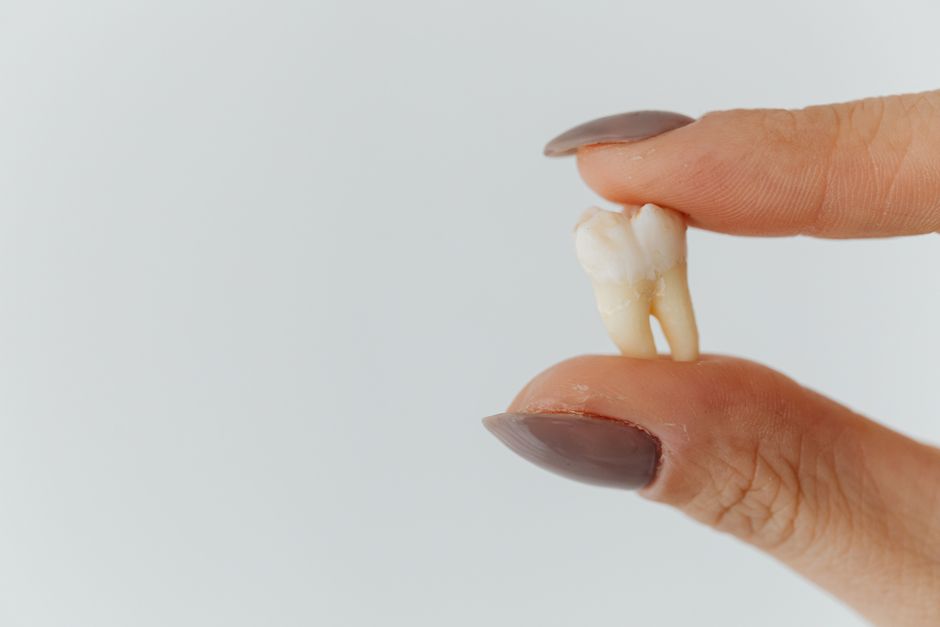
To treat a sensitive tooth and stop the pain, start by switching to a desensitizing toothpaste that contains potassium nitrate or stannous fluoride. Use a soft‑bristled toothbrush and avoid acidic foods and drinks that can worsen sensitivity. If home care does not provide relief within a few weeks, your dentist can apply fluoride varnish, bonding agents, or recommend another in‑office treatment to address the underlying cause.
What Causes a Sensitive Tooth?
Tooth sensitivity happens when the protective enamel wears away or when gums recede, exposing the layer of dentin beneath. Dentin is filled with tiny tubes that connect to the nerve inside the tooth. When these tubes are open, hot, cold, sweet, or acidic triggers can cause fluid to move inside the tubes, stimulating the nerve and creating a sharp, temporary pain.
Common causes of enamel loss include aggressive brushing, acid from foods and drinks, teeth grinding, and untreated cavities. Gum recession, often from gum disease or hard brushing, also leaves the root surface exposed. Sometimes a cracked tooth or a failing filling can produce sensitivity that feels similar to dentin hypersensitivity.
How To Treat A Sensitive Tooth And Stop The Pain at Home
Start with a desensitizing toothpaste designed specifically for sensitive teeth. These products contain active ingredients such as potassium nitrate, which helps calm nerve endings in the tooth, or stannous fluoride, which forms a protective layer over exposed dentin. Use the toothpaste twice daily, and brush gently with a soft‑bristled toothbrush. It may take several weeks of regular use before you notice a significant reduction in pain.
In addition to changing your toothpaste, adjust your diet temporarily. Avoid very cold or very hot foods and drinks, as well as acidic items like citrus, soda, and vinegar. Rinse with water after eating acidic foods to help neutralize acids. If you grind your teeth at night, ask your dentist about a custom mouthguard to protect your enamel from further wear.
For immediate relief during a painful episode, try applying a small amount of desensitizing toothpaste directly to the sensitive spot with your finger and leave it on for a minute before rinsing. Some people find relief by rinsing with a fluoride mouthwash, but check the label for alcohol, which can sometimes worsen sensitivity.
Professional Dental Treatments for Tooth Sensitivity
When home treatments are not enough, your dentist can offer several in‑office options. Fluoride varnish is a common first step. The dentist paints a high‑concentration fluoride coating onto the sensitive areas, which helps strengthen enamel and reduce pain. This is quick and usually painless.
For persistent sensitivity, your dentist may apply a bonding agent that seals the exposed dentin tubules. More severe cases involving gum recession might benefit from a gum graft—a surgical procedure that covers the exposed root with tissue from the roof of your mouth. If the sensitivity is caused by a cracked tooth, a cavity, or a failing filling, treating that underlying problem with a filling or crown will usually stop the pain.
Dentists can also recommend prescription‑strength desensitizing toothpaste or a fluoride gel for home use. These products contain a higher concentration of active ingredients than what is available over the counter.





Can You Prevent Tooth Sensitivity From Returning?
Preventing sensitivity starts with protecting your enamel and gums. Use a soft‑bristled toothbrush and brush with light, circular motions. Hard brushing wears down enamel and irritates gums. If you are prone to acid erosion from soda, citrus, or acid reflux, limit exposure and rinse with water after eating. Avoid brushing immediately after consuming acidic foods—wait at least 30 minutes to let your enamel re‑harden.
Regular dental checkups allow your dentist to catch early signs of enamel wear, gum disease, or cavities before they cause significant sensitivity. Many people with chronic sensitivity benefit from using a desensitizing toothpaste as their regular toothpaste long term.
When to See a Dentist for a Sensitive Tooth
You should see a dentist if the pain lasts for more than a few weeks despite home care, if the sensitivity is severe or sharp, or if it is limited to a single tooth. Sensitivity in one tooth is more likely to be caused by a cavity, a crack, or a failed filling than by general dentin exposure. Other warning signs include swelling, redness, or tenderness in the gums near the sensitive tooth, or any drainage or bad taste that could indicate an infection.
A dentist can perform a thorough examination, take X‑rays if needed, and determine the exact cause. In many cases, the sensitivity is reversible with proper treatment. Ignoring persistent sensitivity can lead to more serious problems, such as tooth decay reaching the nerve or a dental abscess.
Frequently Asked Questions
What is the fastest way to stop sensitive tooth pain?
Applying a desensitizing toothpaste directly to the sensitive area for one minute can provide temporary relief. Avoiding cold, hot, and acidic triggers will also help reduce pain in the moment.
Can sensitive tooth pain go away on its own?
Mild sensitivity sometimes improves if the enamel remineralizes or the gum heals, but it often requires treatment. If the cause is a cavity or a crack, the pain will not go away without dental care.
Is sensitive tooth a sign of a cavity?
Sensitivity can be a sign of a cavity, but it is also commonly caused by enamel wear, gum recession, or teeth grinding. Only a dentist can determine the exact cause after examining your teeth.
What toothpaste is best for sensitive teeth?
Toothpastes containing potassium nitrate or stannous fluoride are proven to reduce sensitivity. Look for the American Dental Association (ADA) Seal of Acceptance on the package to ensure the product has been tested for efficacy and safety.
