
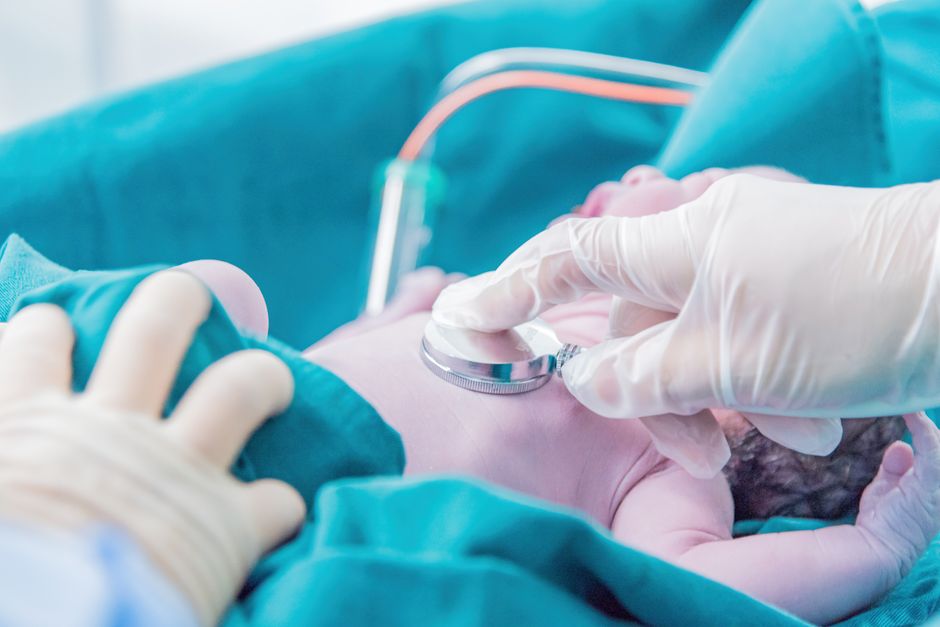
Necrotizing enterocolitis (NEC) is a serious intestinal disease that mostly affects premature babies. It happens when the tissue lining the intestine becomes injured and begins to die. The exact cause is not fully understood, but researchers agree it involves a combination of an immature gut, an imbalance of bacteria, and reduced blood flow to the intestines.
What Exactly Happens Inside the Baby’s Gut?
In a healthy newborn, the intestine absorbs nutrients and keeps harmful bacteria out. In NEC, the intestinal wall becomes damaged. Bacteria that normally live in the gut can then cross the damaged wall. This triggers severe inflammation.
As the inflammation worsens, the intestinal tissue can die. In severe cases, a hole can form in the intestine. This allows intestinal contents to leak into the abdominal cavity, which can cause a life-threatening infection called peritonitis.
The disease is fast-moving. A baby can seem stable and then deteriorate within hours. This is why NEC is considered a medical emergency.
Why Are Premature Babies at Higher Risk?
Prematurity is the single strongest risk factor for NEC. The earlier a baby is born, the higher the risk. Most cases occur in infants born before 32 weeks of gestation.
There are several reasons for this. A premature baby’s intestine is not mature enough to digest milk properly. The cells that line the intestine are still developing. They do not produce enough mucus, digestive enzymes, or immune factors to protect the gut.
Blood flow to the intestine can also be unstable. Premature babies often have periods of low blood pressure or low oxygen. These episodes can reduce blood supply to the gut, making the tissue more vulnerable to injury.
What Role Does Feeding Play in NEC?
Almost all cases of NEC occur after the baby has started feeding. This has led researchers to study how formula and breast milk affect the disease.
Breast milk is protective. Studies consistently show that premature babies who receive human milk have lower rates of NEC than those fed formula. Breast milk contains antibodies, immune cells, and prebiotics that help the immature gut stay healthy.
Formula feeding is a known risk factor. The reasons are not completely clear, but formula is harder for a premature gut to digest. It also changes the bacterial environment in the intestine, allowing more harmful bacteria to grow.
Doctors do not withhold feeding to prevent NEC. Delayed feeding has its own risks, including poor growth and longer hospital stays. Instead, most neonatal intensive care units use slow, cautious feeding protocols. They advance feedings gradually and monitor the baby closely.





Can Bacteria or Infection Cause NEC?
Bacteria play a central role, but NEC is not caused by a single germ. It is better understood as an abnormal reaction to bacteria that normally colonize the gut.
In a healthy baby, the gut is colonized with a balanced mix of bacteria. In a premature baby, this balance is disrupted. The gut is often colonized with fewer beneficial bacteria and more potentially harmful ones. This imbalance is called dysbiosis.
When the intestinal lining is weak, these bacteria can trigger an overwhelming inflammatory response. The baby’s own immune system, which is immature, may overreact. This inflammation is what causes the tissue damage.
No single bacterium has been proven to cause NEC. Some studies have linked certain bacteria to outbreaks, but no specific organism is consistently found in every case.
What Other Risk Factors Are Known?
Several other factors increase the risk of NEC, although none are as strong as prematurity.
- Low birth weight. Babies weighing less than 1500 grams (about 3 pounds 5 ounces) are at the highest risk.
- Reduced blood flow to the gut. Conditions like patent ductus arteriosus, a common heart problem in premature babies, can affect intestinal blood flow.
- Blood transfusions. Some research suggests a link between transfusions and NEC, but the evidence is not conclusive.
- Birth asphyxia. Babies who experience oxygen deprivation during birth may have reduced blood flow to the intestine.
- Infections. A bloodstream infection can increase the risk of NEC developing.
These risk factors often overlap. A very premature baby with low birth weight, an open ductus, and a bloodstream infection is at much higher risk than a baby with only one of these factors.
What Are the Warning Signs of NEC?
NEC usually appears in the first two to six weeks of life. The timing depends on the baby’s gestational age and feeding schedule.
Early signs include a swollen or tender belly, feeding intolerance, and blood in the stool. The baby may vomit green or yellow fluid. The abdomen may look red or have a bluish tint, which signals poor blood flow.
Systemic signs include lethargy, temperature instability, and pauses in breathing called apnea. The baby’s heart rate may slow down or speed up. Blood pressure can drop.
These signs are not specific to NEC. Other conditions can cause similar symptoms. That is why doctors rely on imaging tests, especially abdominal X-rays, to confirm the diagnosis.
How Is NEC Diagnosed and Treated?
Doctors diagnose NEC based on clinical signs and X-ray findings. The classic X-ray finding is pneumatosis intestinalis, which is air trapped in the intestinal wall. This air is a sign that the tissue is damaged.
Treatment depends on how severe the disease is. In mild cases, the baby is taken off feeding. A tube is placed in the stomach to drain air and fluid. The baby receives antibiotics and intravenous fluids for nutrition.
In severe cases with a bowel perforation, surgery is needed. The surgeon removes the dead tissue and may create a temporary ostomy, where the end of the intestine is brought to the surface of the belly. The ostomy is often reversed weeks or months later.
Some babies with severe NEC do not survive. The mortality rate is high, especially for the smallest and sickest infants. Among babies who survive, some develop long-term problems like short bowel syndrome, which can require prolonged intravenous nutrition and multiple surgeries.
Can NEC Be Prevented?
There is no single prevention strategy that works for every baby. But several approaches have been shown to reduce risk.
Human milk is the most effective preventive measure. Hospitals encourage mothers of premature babies to provide breast milk, even if it is only a small amount. Donor human milk is used when the mother’s milk is not available.
Probiotics are promising but not universally recommended. Some studies suggest that giving premature babies certain probiotic strains reduces the risk of NEC. However, the evidence is not strong enough for all professional organizations to endorse routine use. Some hospitals use probiotics; others do not.
Standardized feeding protocols help. Hospitals that use consistent, slow feeding guidelines tend to have lower NEC rates. These protocols reduce variability in how feedings are advanced.
Antibiotics are used carefully. Prolonged antibiotic exposure in the first days of life can disrupt the gut bacteria and increase NEC risk. Doctors now limit antibiotics to babies who clearly need them.
Frequently Asked Questions
Can a full-term baby get necrotizing enterocolitis?
Yes, but it is rare. Full-term babies account for less than 10% of NEC cases, and they often have other conditions like congenital heart disease or birth asphyxia.
Is necrotizing enterocolitis caused by formula feeding?
Formula feeding increases the risk, but it is not the sole cause. NEC develops from a combination of an immature gut, bacterial imbalance, and reduced blood flow, not from formula alone.
How quickly does NEC progress in a newborn?
NEC can progress very quickly, sometimes within hours. A baby can appear stable and then develop severe abdominal distension, shock, or a bowel perforation rapidly, which is why close monitoring is essential.
What is the survival rate for babies with NEC?
Survival rates vary widely depending on the baby’s birth weight and how severe the disease is. Overall mortality is around 20-30%, but it is higher for the smallest and sickest infants.
