
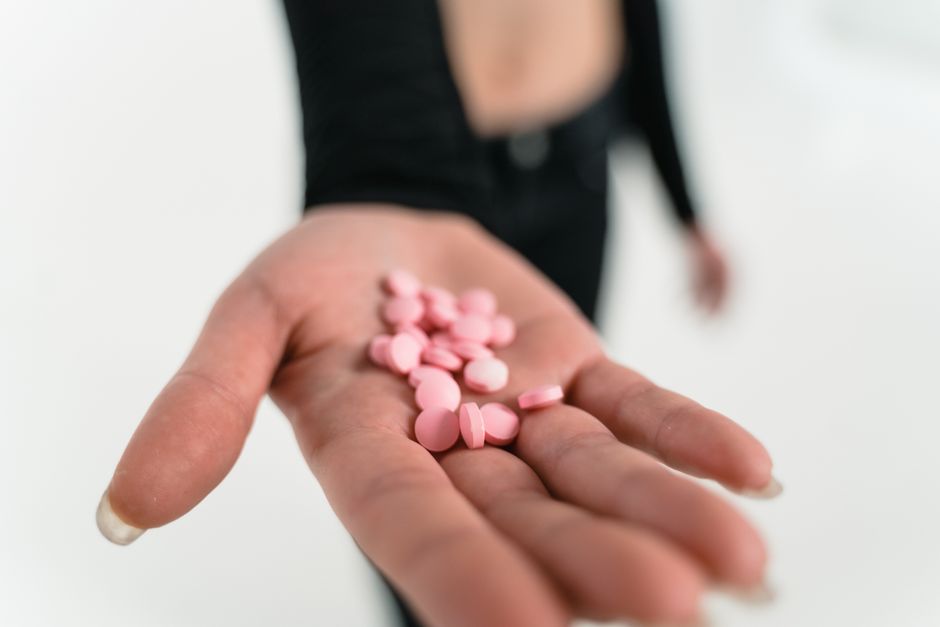
A speedball is the dangerous combination of a stimulant and a depressant, most commonly cocaine and heroin. Users mix them to soften the crash of one drug with the high of the other. This practice is extremely risky and often leads to fatal overdose because the drugs mask each other’s effects, making it easy to take a lethal dose.
What Is A Speedball Drugs? The Basics
A speedball combines a stimulant with an opioid or other central nervous system depressant. Cocaine and heroin are the classic pair. Other combinations exist, such as methamphetamine with fentanyl or prescription stimulants with benzodiazepines, but the term “speedball” typically refers to the cocaine-heroin mix.
The drugs are usually injected together, but they can also be snorted or smoked. The stimulant speeds up the heart and breathing while the depressant slows them down. Each drug hides the worst symptoms of the other, which creates a false sense of safety.
Why Do People Mix Stimulants and Depressants?
The appeal is the balance of effects. Cocaine produces intense energy, alertness, and euphoria. Heroin produces deep relaxation, pain relief, and a warm, heavy calm. On their own, each drug has an uncomfortable downside. Cocaine can cause anxiety, paranoia, and a racing heart. Heroin can cause drowsiness and dangerous slowing of breathing.
By mixing them, users try to get the best of both. The heroin softens the harsh edges of the cocaine high. The cocaine keeps the user awake and alert enough to avoid nodding off from the heroin. This sounds logical, but the reality is dangerous. The body is being pulled in two opposite directions at the same time.
Why Is a Speedball So Dangerous?
The primary danger is respiratory depression. Heroin and other opioids slow breathing. Cocaine increases the heart rate and blood pressure. When combined, the cocaine can keep the person awake and feeling alert while the heroin silently suppresses their breathing. The user may not realize how much heroin they have taken because the cocaine masks the sedation.
This masking effect is why speedball overdoses are so common. A person feels the energetic push of the cocaine and thinks they need more heroin to balance it. They take another dose. The cocaine wears off faster than the heroin, and suddenly the full opioid effect hits all at once. Breathing can stop completely.
There is also the heart risk. Cocaine can trigger a heart attack or stroke even in young, healthy people. Adding an opioid does not reduce this risk. It only hides the warning signs like chest pain or a pounding heart. The cardiovascular stress continues while the person feels falsely calm.
What Does a Speedball Overdose Look Like?
Signs of a speedball overdose can be confusing because the two drugs cause opposite symptoms. A person may be unconscious but have a rapid pulse. They may have pinpoint pupils from the heroin while their heart races from the cocaine. Their breathing may be slow, shallow, or have stopped entirely. Their skin may look pale, clammy, or bluish, especially around the lips and fingertips.
Seizures can occur. So can vomiting, which is especially dangerous if the person is unconscious and cannot clear their airway. A person experiencing a speedball overdose needs emergency medical help immediately. This is a life-threatening emergency, not something that will resolve on its own.
What Is Naloxone and Does It Work for a Speedball?
Naloxone is a medication that rapidly reverses an opioid overdose. It works by blocking opioid receptors in the brain, which can restore breathing within minutes. It is available as a nasal spray or injection and is carried by many first responders and people who use drugs.
Naloxone will reverse the heroin part of a speedball overdose. It will not reverse the cocaine part. If a person has taken a speedball, naloxone can restore their breathing, but they may still be experiencing dangerous cardiovascular effects from the cocaine. They still need emergency medical care. Naloxone is a critical tool, but it is not a complete solution for a speedball overdose. Because fentanyl is now commonly found in the illicit drug supply, naloxone is more important than ever.
How Does Fentanyl Change the Speedball Risk?
Fentanyl is a synthetic opioid that is far more potent than heroin. It is often mixed into cocaine and other drugs without the user’s knowledge. A speedball made with cocaine that contains fentanyl is significantly more dangerous than one made with heroin.
The fentanyl dose can be lethal even in tiny amounts. A person may snort what they believe is pure cocaine and never intend to take an opioid at all. The result is a sudden, severe opioid overdose with no warning. This has driven a sharp increase in overdose deaths in recent years. Some research suggests that many people who overdose on “cocaine” actually have fentanyl in their system. This is a public health crisis that extends far beyond intentional speedball use.
What Are the Long-Term Health Effects?
Long-term speedball use damages the body in multiple ways. The cardiovascular system suffers from repeated cocaine exposure, increasing the risk of heart disease, heart attacks, and strokes. Chronic opioid use can cause constipation, hormonal imbalances, and a weakened immune system. The combination places enormous strain on the heart, lungs, liver, and kidneys.
There is also a high risk of infectious disease from sharing needles. Hepatitis C and HIV are common among people who inject drugs. Skin infections, abscesses, and damage to veins are also frequent complications. Beyond the physical effects, addiction to both substances is severe and difficult to treat because the person is dependent on two different classes of drugs.
Mental health also suffers. The cycle of intense highs and crushing lows can worsen depression, anxiety, and paranoia. The financial and social consequences of addiction often follow, including job loss, homelessness, and damaged relationships.
Is There Treatment for Speedball Addiction?
Yes, treatment exists, but it is challenging. The person is dependent on both a stimulant and an opioid, and each requires a different approach. For opioid dependence, medications like methadone, buprenorphine, or naltrexone are effective and widely used. These reduce cravings and prevent withdrawal.
There is no FDA-approved medication specifically for cocaine or stimulant addiction. Treatment for the stimulant side relies on behavioral therapies, such as cognitive behavioral therapy and contingency management. These approaches help people build skills to avoid drug use and find rewards in healthy activities. A combination of medication for the opioid dependence and intensive behavioral therapy for the stimulant dependence is the most common approach. Recovery is possible, but it often requires multiple attempts and long-term support.
What Should You Do If Someone Is Overdosing?
Call 911 immediately. Do not wait to see if they get better on their own. If naloxone is available, administer it. If the person stops breathing, begin CPR if you are trained to do so. Put the person on their side if they are breathing to prevent choking on vomit. Stay with them until help arrives.
Many states have Good Samaritan laws that protect people who call for help during an overdose from prosecution for drug possession. The priority is saving a life, not avoiding legal trouble. Emergency responders are there to help, and their first concern is the person’s survival.
Frequently Asked Questions
What drugs are in a speedball?
A speedball is a stimulant combined with a depressant, most commonly cocaine and heroin. Other combinations like methamphetamine and fentanyl also occur.
Why is a speedball more dangerous than taking one drug?
The stimulant masks the sedating effects of the depressant, so the user may take a lethal dose without feeling overly drowsy. The cocaine also stresses the heart while the heroin suppresses breathing.
Can naloxone reverse a speedball overdose?
Naloxone can reverse the opioid component of the overdose and restore breathing. It does not reverse the effects of the cocaine, so emergency medical care is still required.
Is fentanyl found in speedballs?
Fentanyl is now commonly found in the illicit drug supply, including cocaine. A person may take a speedball and unknowingly ingest fentanyl, which greatly increases the overdose risk.
