
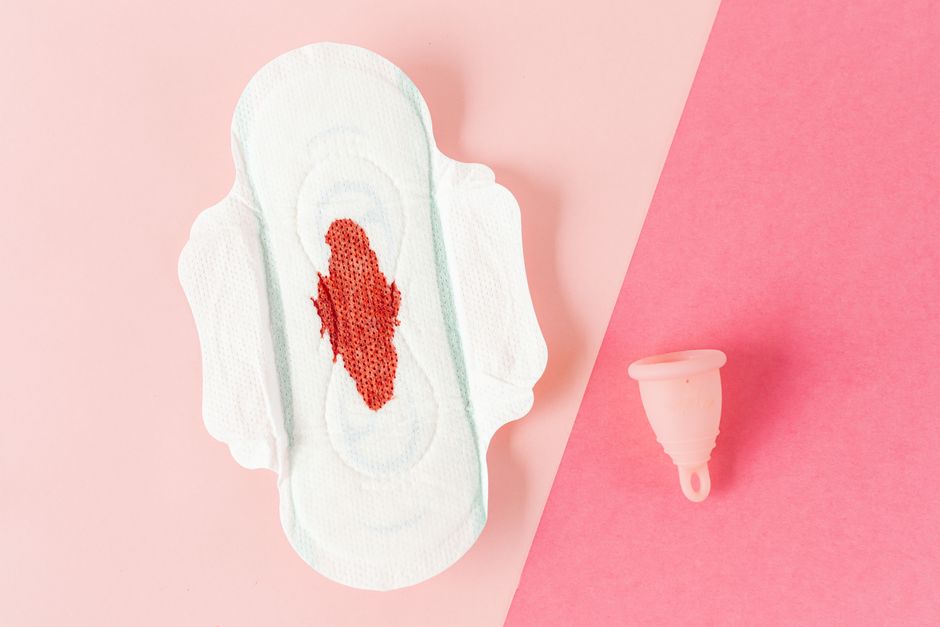
A menstrual cycle that stretches past 35 days is a signal worth paying attention to. The most common cause in women of reproductive age is polycystic ovary syndrome (PCOS), a hormonal condition that disrupts ovulation. But PCOS is not the only reason cycles run long. Thyroid problems, high prolactin levels, perimenopause, significant weight changes, and intense exercise can all delay or prevent ovulation, which is what makes a cycle longer than normal.
Understanding why this happens starts with one principle: a menstrual cycle length is mostly determined by when ovulation occurs. When ovulation is delayed, the whole cycle stretches out. When ovulation does not happen at all, cycles can become very irregular or stop entirely.
What Counts as a Long Menstrual Cycle?
A typical adult menstrual cycle runs between 21 and 35 days, counted from the first day of one period to the first day of the next. Cycles longer than 35 days are considered long. Cycles shorter than 21 days are considered short.
These ranges come from established clinical definitions used in gynecology. They apply to adults. For the first few years after a girl starts menstruating, cycles are often irregular and long because the hormonal signaling between the brain and ovaries is still maturing. That is normal and usually settles over time.
Occasional long cycles happen to most people. Stress, illness, travel, or a single anovulatory month can push a cycle out. The concern rises when long cycles become a pattern — several in a row, or cycles that regularly exceed 35 days.
What Causes Long Menstrual Cycles, PCOS, and More?
Long cycles almost always trace back to ovulation being delayed or absent. The lining of the uterus builds up under the influence of estrogen, and it is shed after ovulation and the hormone changes that follow. Without ovulation, that shedding is delayed, and the cycle lengthens.
Here are the main causes, and how each one disrupts the cycle.
Polycystic Ovary Syndrome
PCOS is the most common cause of long or irregular cycles in women of reproductive age. In PCOS, the ovaries often do not release an egg on schedule. Hormone signals that should trigger ovulation are out of balance, and androgens (male-type hormones) are frequently elevated.
Diagnosis is based on a combination of criteria — irregular or absent ovulation, signs of high androgens (such as acne or excess hair growth), and the appearance of many small follicles on the ovaries on ultrasound. A clinician looks for at least two of these after ruling out other conditions.
PCOS is a syndrome, meaning it is a cluster of features rather than a single disease with one cause. Insulin resistance plays a role in many cases, which is why it is often linked with type 2 diabetes risk. The connection between insulin and ovulation is one reason lifestyle factors can influence cycle regularity in PCOS.
Thyroid Disorders
The thyroid gland helps regulate metabolism, and thyroid hormone interacts with the reproductive system. Both an underactive thyroid (hypothyroidism) and an overactive thyroid (hyperthyroidism) can disrupt ovulation and lead to long or irregular cycles.
Hypothyroidism is more commonly associated with heavy, prolonged, or irregular bleeding. Because thyroid problems are treatable and easily tested with a blood test, they are a standard part of evaluating a long or irregular cycle.
High Prolactin Levels
Prolactin is the hormone that supports milk production after childbirth. When prolactin is elevated outside of breastfeeding, it can suppress the signals that trigger ovulation. This condition is called hyperprolactinemia.
Elevated prolactin can result from medications, thyroid problems, or a benign growth on the pituitary gland. It is one of the reasons a clinician may order a prolactin blood test when cycles are long or absent.
Perimenopause
Perimenopause is the transition leading up to menopause. During this stage, hormone levels fluctuate unpredictably, and ovulation becomes less reliable. Cycles can become longer, shorter, heavier, or lighter — often varying from month to month.
Perimenopause commonly begins in a woman’s 40s, though it can start earlier. Long or skipped cycles during this transition are usually expected rather than a sign of a separate problem.
Weight, Exercise, and Energy Balance
Body weight and energy balance affect ovulation. Significant weight gain, especially when it contributes to insulin resistance, is associated with longer and more irregular cycles. On the other end, very low body weight, rapid weight loss, or intense athletic training can also stop ovulation.
This second pattern is sometimes called functional hypothalamic amenorrhea. The brain senses that energy availability is too low to safely support a pregnancy and dials down the hormone signals that drive ovulation. Extreme dieting, eating disorders, and high training loads can all contribute.
Other Causes
- Elevated androgens from causes other than PCOS, such as certain adrenal conditions
- Some medications, including certain antipsychotics and hormonal treatments
- Scarring or structural changes in the uterus, which more often cause bleeding problems than long cycles
- Chronic stress, which can affect the brain’s regulation of reproductive hormones
The list is long, but the mechanism is shared: something is interfering with the regular release of an egg.
How Do You Know Which Cause Applies to You?
You cannot reliably tell the cause from cycle length alone. Different conditions can produce the same long or irregular pattern. That is why evaluation relies on a combination of history, symptoms, and testing.
A clinician typically starts with a detailed history — cycle patterns, symptoms, weight changes, stress, exercise, and medications. Blood tests often include thyroid function, prolactin, and hormones related to ovulation and androgens. An ultrasound may be used to look at the ovaries and uterus.
The goal is to find the underlying cause, because the cause determines what helps. A thyroid problem, high prolactin, and PCOS are managed differently.





When Should a Long Cycle Be Checked?
A single long cycle is rarely a concern. A pattern of long cycles, or cycles that stop for several months, is worth a medical visit. So is bleeding that is unusually heavy, prolonged, or accompanied by pain.
A few situations warrant attention sooner rather than later:
- Cycles consistently longer than 35 days
- No period for three months or more in someone who is not pregnant
- Signs of high androgens, such as new acne or excess facial or body hair
- Symptoms of thyroid problems, such as fatigue, weight change, or feeling cold
- Bleeding between periods or after sex
One point that is easy to miss: when ovulation does not happen for a long time, the uterine lining keeps building up without being shed. Over months and years, this can raise the risk of an overgrowth of the lining called endometrial hyperplasia, which in some cases can progress. This is one reason prolonged absence of periods deserves medical attention rather than watchful waiting.
How Are Long Cycles Treated?
Treatment depends entirely on the cause. There is no single fix for a long cycle, because a long cycle is a symptom rather than a diagnosis.
For PCOS, approaches may include lifestyle changes, medications that support ovulation, or hormonal treatments that regulate bleeding. For thyroid problems, correcting the thyroid imbalance often restores more regular cycles. For high prolactin, treatment targets the underlying cause. For perimenopause, management focuses on symptoms rather than forcing a regular cycle.
Because these treatments differ so much, the specific choice is a decision to make with a clinician. What works for one cause will not work for another, and some treatments carry their own risks and side effects.
What the evidence does support is that identifying the cause comes first. Treating a long cycle without knowing why it is long risks missing the actual problem.
Frequently Asked Questions
Can PCOS cause long menstrual cycles?
Yes. PCOS is the most common cause of long or irregular cycles in women of reproductive age, because it disrupts the hormone signals that trigger ovulation. When ovulation is delayed or does not happen, the cycle lengthens.
Is a 40-day cycle normal?
A cycle longer than 35 days is considered long by standard clinical definitions. A single 40-day cycle can happen for many reasons, but a pattern of cycles this long is worth discussing with a clinician.
What other conditions besides PCOS cause long cycles?
Thyroid disorders, high prolactin levels, perimenopause, significant weight changes, and intense exercise can all cause long cycles. Each works by interfering with ovulation in a different way.
When should I see a doctor about long menstrual cycles?
See a clinician if cycles are consistently longer than 35 days, if periods stop for three months or more, or if you have signs of high androgens or thyroid problems. Prolonged absence of periods can allow the uterine lining to build up, which is why it deserves evaluation.
