
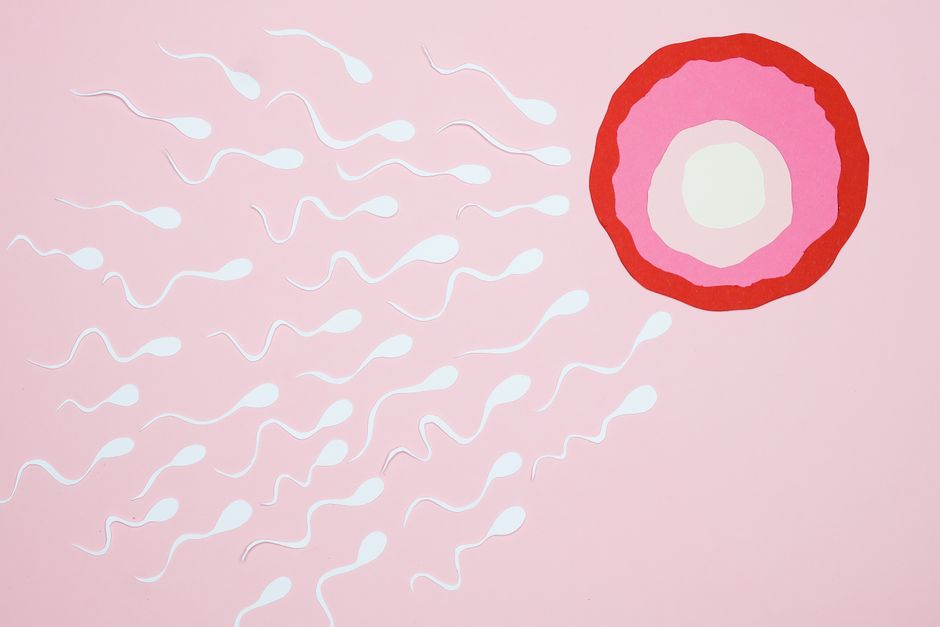
After ovulation, an unfertilized egg survives for about 12 to 24 hours. That window is short. Sperm, by contrast, can live inside the female reproductive tract for up to about five days. The overlap between those two timelines is what makes pregnancy possible — and it is why timing matters so much when someone is trying to conceive or trying to avoid it.
How Long Does The Egg Survive After Ovulation?
The egg cell — properly called the oocyte — is viable for roughly 12 to 24 hours after it is released from the ovary. Most sources settle on about 24 hours as the upper limit. After that, the egg degenerates and can no longer be fertilized.
This is one of the shortest windows in human reproductive biology. Sperm can survive several days in cervical mucus. The egg cannot. That asymmetry shapes almost everything about fertility timing.
One detail that often gets lost: the 12-to-24-hour clock does not start at the moment you might feel ovulation pain or see a positive ovulation test. It starts when the follicle actually ruptures and releases the egg. Ovulation predictor kits detect a surge in luteinizing hormone (LH) that happens before release — typically 24 to 36 hours before. So a positive test does not mean the egg is out yet. It means release is coming.
What Happens To The Egg If It Is Not Fertilized?
If sperm does not reach and penetrate the egg within its viable window, the egg simply breaks down. It is absorbed by the body. There is no physical sign you would notice.
What continues is the structure the egg left behind — the corpus luteum. This is the remnant of the follicle that released the egg. It produces progesterone, which thickens and maintains the uterine lining in case a fertilized egg implants.
If no pregnancy occurs, the corpus luteum stops producing progesterone after roughly 12 to 14 days. Progesterone levels drop. The uterine lining sheds. That is menstruation.
So the egg’s short life is tied directly to the timing of your period. The luteal phase — the stretch from ovulation to the start of the next period — is fairly consistent for most people, usually around 14 days. The follicular phase before ovulation is the one that varies more from person to person and cycle to cycle.
Why Sperm Survival Changes The Whole Picture
The egg’s 24-hour window sounds like it makes conception nearly impossible to time. Sperm survival is what balances it out.
Sperm can remain viable in the female reproductive tract for up to about five days, and the cervix and cervical mucus play a large role in that. During the fertile window, mucus becomes thinner and more elastic, which helps sperm survive and travel. Outside that window, mucus is thicker and sperm do not last nearly as long.
This means pregnancy can result from sex that happened several days before ovulation. By the time the egg is released, those sperm may still be waiting in the fallopian tube. The fertile window — the days when conception is possible — is therefore often described as the five days before ovulation plus the day of ovulation itself.
Here is the part that trips people up. Because the egg lives only about a day, the day after ovulation is generally not considered fertile. If ovulation happened yesterday and the egg is gone, sex today cannot lead to pregnancy from that cycle.



Can You Ovulate More Than Once In A Cycle?
Ovulation typically releases a single egg once per cycle. But there is a real exception worth knowing about.
In some cycles, two or more eggs can be released within a short span — usually within 24 hours of each other. This is one way fraternal (non-identical) twins happen. It is more common with certain fertility treatments, but it can occur naturally too.
What does not generally happen is a second, separate ovulation days later in the same cycle. Once the corpus luteum forms and progesterone rises, that hormonal shift suppresses further follicle development for that cycle. So the idea that you can ovulate, miss the window, and then ovulate again a week later is not how the typical cycle works.
How Ovulation Timing Is Tracked
Because the egg’s window is so short, people trying to conceive often try to pinpoint ovulation in advance. No method is perfect, and each one measures something slightly different.
- Ovulation predictor kits: Detect the LH surge, which usually happens 24 to 36 hours before the egg is released.
- Basal body temperature: A slight rise in resting temperature typically confirms ovulation after it has happened — useful for seeing patterns, not for predicting the current day.
- Cervical mucus changes: Mucus tends to become clear, slippery, and stretchy near ovulation.
- Calendar tracking: Estimates based on past cycle length. Less reliable because cycle timing varies.
The key limitation: most at-home methods either predict ovulation approximately or confirm it after the fact. None can tell you the exact hour the egg was released. That is why the practical guidance is usually to have sex every day or every other day during the fertile window rather than trying to hit a single perfect moment.
What This Means For Getting Pregnant Or Avoiding Pregnancy
For conception, the short egg lifespan is actually helpful information. It tells you that the days before ovulation matter most, because sperm need to be in place when the egg arrives. Waiting until you are sure ovulation has occurred can mean waiting too long.
For avoiding pregnancy, the same biology cuts the other way. The egg’s brief life is not much protection on its own, because sperm can wait around for days. Fertility awareness methods that rely on tracking ovulation require careful, consistent use and understanding of these overlapping timelines. They are not the same as barrier methods or hormonal contraception in terms of typical-use effectiveness.
If you are trying to conceive and it is not happening, or if your cycles are irregular and hard to track, that is a conversation worth having with a clinician. Ovulation timing is only one piece of fertility, and a doctor can look at the fuller picture.
Frequently Asked Questions
How long does the egg survive after ovulation exactly?
About 12 to 24 hours after it is released from the ovary. After that window, the egg can no longer be fertilized and begins to break down.
Can you get pregnant the day after ovulation?
It is unlikely but not impossible, because the egg may still be viable for part of that day. The fertile window is generally considered to be the five days before ovulation plus the day of ovulation.
How long do sperm live compared to the egg?
Sperm can survive in the female reproductive tract for up to about five days, while the egg lives only about 12 to 24 hours. That difference is why sex before ovulation can still lead to pregnancy.
Does a positive ovulation test mean the egg has already been released?
No. A positive test detects the LH surge, which usually happens 24 to 36 hours before the egg is actually released.
