
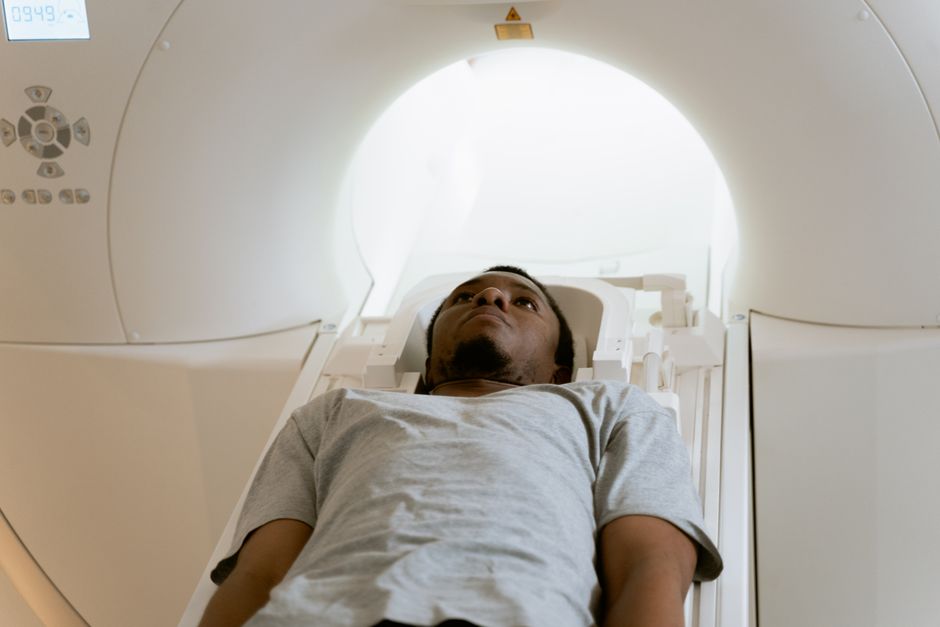
A CT scan with contrast usually takes about 10 to 30 minutes from the time you lie down on the table to the time you sit up. The scan itself — the part where the machine is actually taking pictures — often lasts only 5 to 15 minutes. Most of the remaining time goes to setup, positioning, and the contrast injection. If you count the full appointment, including check-in, waiting, and a short observation period afterward, plan on roughly one to two hours at the facility.
That range holds for most common CT exams. A scan of a single area, like the head or a kidney, tends to sit at the shorter end. A scan of multiple body regions, or one that needs several phases of imaging, runs longer. The contrast itself adds only a few minutes of actual scanning time, but it adds preparation and monitoring before and after.
How Long Do CT Scans With Contrast Take From Start to Finish?
The clock that matters most to patients runs longer than the scan itself. Here is how a typical contrast CT appointment breaks down.
- Check-in and screening: 15 to 30 minutes. This includes confirming your identity, reviewing allergies and kidney history, and answering a safety questionnaire.
- IV placement: 5 to 10 minutes. A nurse or technologist places a small intravenous line, usually in your arm or hand.
- Positioning: 5 to 10 minutes. You lie on the table, and the technologist adjusts you so the right area is centered in the scanner.
- Scanning: 5 to 15 minutes. The table moves through the ring-shaped scanner while images are captured.
- Contrast injection: seconds to a couple of minutes. The injection itself is quick, but timing depends on which body part is being studied.
- Observation afterward: 10 to 30 minutes at many facilities. Staff watch for reactions before you leave.
Add those up and a realistic total is about one to two hours. Some facilities move faster. Busy hospitals with emergency cases can run behind. The scan time is fairly predictable; the waiting time is not.
What Happens During a CT Scan With Contrast?
Contrast is a substance that makes certain tissues, blood vessels, and organs show up more clearly on the images. Two main types are used. Intravenous (IV) contrast contains iodine and is injected into a vein. Oral contrast is a liquid you drink, and it coats the digestive tract so the stomach and intestines are easier to see. Some exams use both.
Once the IV is in place, you lie still on a table that slides into a large ring. The scanner rotates around you and takes a series of X-ray images from different angles. A computer combines them into cross-sectional pictures of the inside of your body.
When IV contrast is injected, you may feel a warm flush spread through your body. Some people notice a metallic taste in the mouth or a brief sensation of warmth in the pelvic area. These feelings are common and typically fade within a minute or two. The technologist will tell you when to hold still and when to hold your breath, since movement and breathing can blur the images.
Why Do Some Contrast CT Scans Take Longer Than Others?
Scan length depends on what the doctor needs to see. A single-phase scan captures one set of images at one point in time. A multiphase scan captures several sets — for example, before contrast, during the phase when contrast is in the arteries, and later when it has moved into other tissues. Each phase adds scanning time.
The number of body areas also matters. A CT of the chest alone takes less time than a CT of the chest, abdomen, and pelvis together. Some exams also require a delay between the injection and the scan so the contrast reaches a specific organ. That waiting time is built into the schedule.
A less obvious point: the injection speed can change the timing. Faster injections push contrast through the body more quickly, which can shorten the delay before scanning but may feel more intense. The radiology team chooses the rate based on the study being done, not on patient preference.





What Should You Expect Before and After the Scan?
Preparation varies by facility and by the type of exam. Many centers ask you to avoid eating for a few hours beforehand, though you are often allowed to drink water. If oral contrast is needed, you may be asked to arrive early to drink it over a set period, sometimes 30 to 90 minutes before the scan.
You should tell the staff if you are pregnant or might be pregnant, if you have kidney problems, if you have had a reaction to contrast before, or if you take metformin (a diabetes medication). Iodine-based contrast is filtered by the kidneys, so kidney function is an important consideration. Some facilities check a recent blood test before giving IV contrast, especially in people with kidney disease or diabetes.
After the scan, you can usually go back to your normal activities. Drinking extra water afterward is commonly recommended to help your body clear the contrast. If you had oral contrast, it may affect your bowel movements for a day or so.
Are There Risks or Side Effects From Contrast?
Most people tolerate contrast without problems. The most common side effects are mild and short-lived.
- A warm feeling or flushing during the injection
- A metallic taste in the mouth
- Nausea or a brief headache
- Mild itching or a rash
A small number of people have a more serious allergic-type reaction. Symptoms can include hives, swelling, wheezing, or difficulty breathing. These reactions are uncommon, and radiology departments are equipped to treat them. Tell the staff immediately if you feel unwell during or after the injection.
There is also a small concern about kidney injury from iodine contrast, particularly in people who already have reduced kidney function. This is one reason your medical history matters. The evidence on how often this occurs and how to prevent it has shifted over the years, and clinical guidance continues to evolve. Your care team weighs the benefit of the scan against this risk.
CT scans use ionizing radiation. A single scan delivers a dose that is generally considered low, but repeated scans over time add up. This is a reason doctors order CT exams only when the information is likely to change how your condition is managed.
How Does Contrast CT Compare With Other Imaging?
| Imaging Test | Typical Time | Uses Contrast? | Best For |
|---|---|---|---|
| CT with contrast | 10 to 30 minutes | Often (IV, oral, or both) | Detailed views of organs, blood vessels, and bones |
| CT without contrast | 5 to 15 minutes | No | Quick checks, some bone and lung studies |
| MRI | 30 to 60 minutes | Sometimes | Soft tissue, brain, and spinal cord detail |
| Ultrasound | 15 to 45 minutes | No (uses sound waves) | Organs like the gallbladder, kidneys, and heart |
CT is fast, widely available, and excellent at showing bones, blood vessels, and many organs. MRI takes longer and is not always needed. Ultrasound avoids radiation and contrast but cannot see through bone or air well. The choice depends on the question your doctor is trying to answer.
Do You Need to Fast or Stop Medications Before a Contrast CT?
Fasting rules vary. Many facilities ask you to skip solid food for a few hours before a scan that uses IV contrast, mainly to reduce the chance of nausea and vomiting. Clear liquids are often allowed. Follow the specific instructions your facility gives you, since they can differ.
For people taking metformin, some centers ask you to pause it around the time of the scan, while others do not, depending on kidney function and local policy. This is an area where practice varies, so ask your doctor or the imaging center directly rather than deciding on your own.
Tell the staff about all medications, especially blood thinners, diabetes drugs, and any prior contrast reactions. If you take a beta-blocker or have heart or thyroid conditions, mention those too.
Does the Contrast Injection Itself Take Long?
No. The injection usually takes seconds to about two minutes, depending on the flow rate. What takes longer is everything around it: placing the IV, timing the scan to the injection, and watching you afterward. If you are nervous about the injection, the anticipation often feels longer than the actual event.
Frequently Asked Questions
How long does a CT scan with contrast take in total?
Most contrast CT scans take about 10 to 30 minutes on the table, with the scanning portion lasting 5 to 15 minutes. Counting check-in and a short observation period afterward, plan on roughly one to two hours at the facility.
Is the contrast injection painful?
The IV placement may feel like a brief pinch, and the contrast itself usually causes a warm flush rather than pain. Some people notice a metallic taste or a warm sensation in the pelvic area that fades within a minute or two.
Can I drive myself home after a CT scan with contrast?
In most cases you can drive yourself, since contrast CT does not require sedation. If you received a sedative or feel unwell afterward, arrange for someone else to drive.
How long does it take for contrast to leave your body?
Iodine-based IV contrast is cleared mainly by the kidneys, and most of it leaves the body within about 24 hours. Drinking water afterward is commonly recommended to help the process along.
