
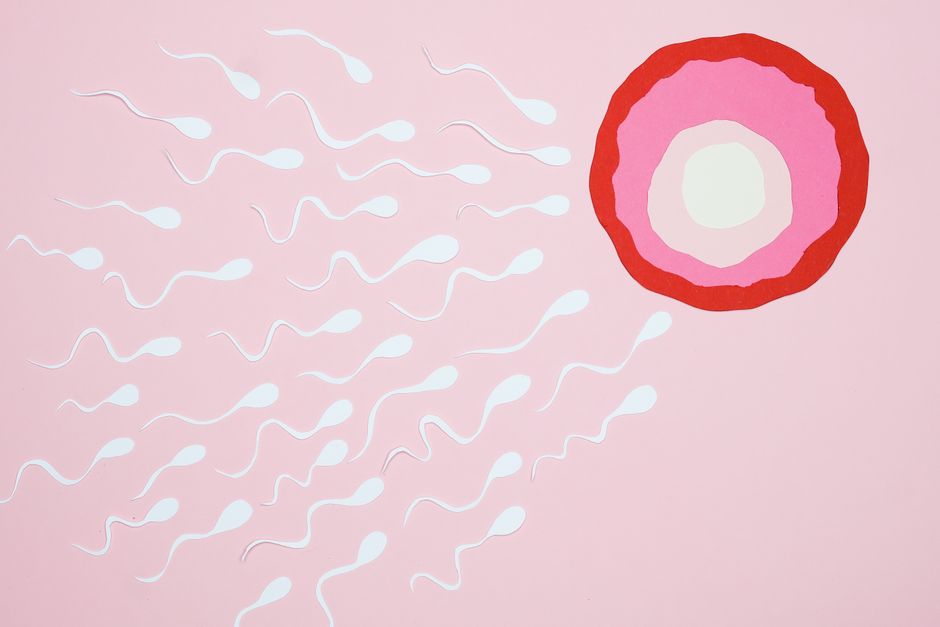
Ovulation is a single event that happens on one day, but the symptoms that surround it can stretch across most of your cycle. Some last a few hours, others a few days, and a couple can linger for a week or more. The timing depends on which hormone or physical change is driving the symptom.
Here is the short answer. Ovulation pain typically lasts minutes to a few hours, though some people feel it for up to 48 hours. Cervical mucus changes appear two to three days before ovulation and clear up within a day or two after. A rise in basal body temperature shows up one to two days after ovulation and stays elevated until your next period. Breast tenderness and mood shifts usually belong to the luteal phase after ovulation, not to ovulation itself.
Below is a closer look at each symptom, why it happens, and how long you can realistically expect it to last.
How Long Does Each Ovulation Symptom Last?
Most ovulation symptoms are short. The event itself takes minutes. The hormonal ripple around it lasts longer.
Ovulation happens when a mature egg is released from an ovary, usually about midway through the menstrual cycle. In a 28-day cycle, that lands around day 14. But cycle length varies widely, and so does the day of ovulation.
What makes the timing confusing is that different symptoms are driven by different hormones. Luteinizing hormone (LH) surges roughly 24 to 36 hours before the egg is released. Estrogen peaks just before that surge. Progesterone climbs after ovulation. Each hormone produces its own set of physical signs, which is why some symptoms arrive early and others show up late.
Some people notice several symptoms at once. Others notice none. Both are normal. A lack of noticeable symptoms does not mean you are not ovulating.
How Long Does Ovulation Pain (Mittelschmerz) Last?
Ovulation pain is brief. Most people feel it for a few minutes to a few hours.
The medical term is mittelschmerz, which is German for “middle pain.” It happens on one side of the lower abdomen, the side of the ovary releasing the egg. The discomfort can feel like a dull ache, a sharp twinge, or a cramp.
Some people feel it for up to 48 hours. That longer window is uncommon but not rare. The pain may switch sides from one cycle to the next, depending on which ovary is active.
The exact cause is not fully settled. Two explanations are commonly discussed. One is that the follicle, the fluid-filled sac holding the egg, stretches the surface of the ovary as it grows. The other is that a small amount of fluid or blood released when the follicle ruptures irritates the abdominal lining. Both are plausible. Neither has been confirmed as the single cause in all cases.
When to take ovulation pain seriously: if it is severe, lasts more than a couple of days, comes with fever, vomiting, or fainting, or feels different from your usual pattern, see a doctor. Those signs point to something other than normal ovulation.
How Long Do Cervical Mucus Changes Last?
This is one of the earliest signs of the fertile window, and it lasts longer than most other symptoms. It typically starts two to three days before ovulation and fades within a day or two after.
As estrogen rises, the cervix produces more mucus that is clear, slippery, and stretchy, similar to raw egg white. This change helps sperm survive and move. After ovulation, progesterone takes over and the mucus becomes thicker, stickier, and less abundant.
For some people, this change is obvious. For others, it is subtle or hard to track. Hydration, medications, and vaginal health can all affect what you notice.
Cervical mucus is not a reliable stand-alone way to confirm ovulation. It signals that ovulation may be near, not that it has happened. If you are trying to conceive or avoid pregnancy, pairing it with another method gives a clearer picture.
How Long Does the Basal Body Temperature Shift Last?
The temperature rise after ovulation lasts until your next period begins, usually around 12 to 14 days in a typical cycle.
Basal body temperature (BBT) is your resting temperature, taken first thing in the morning before you get out of bed. After ovulation, progesterone raises it slightly. The shift is small, often only a few tenths of a degree. It stays elevated through the luteal phase.
This is the key point that trips people up. BBT confirms that ovulation already happened. It does not predict it. By the time your temperature rises, the fertile window is closing or closed.
If you are not pregnant, the temperature drops back down around the time your period starts. If it stays elevated past your expected period, that is one signal some people use to consider a pregnancy test.
BBT is easy to get wrong. Poor sleep, illness, alcohol, and taking your temperature at different times can all blur the pattern. It works best when measured consistently and read over several cycles, not day by day.
How Long Do Breast Tenderness and Mood Changes Last?
These symptoms usually belong to the days after ovulation, not to ovulation itself. They often last several days to a week, sometimes longer.
Breast tenderness, bloating, irritability, and mood shifts are classic signs of the luteal phase, the roughly two weeks between ovulation and your period. They are driven by rising progesterone and falling estrogen. When these symptoms cluster in the days before a period, they are often called premenstrual syndrome (PMS).
This is a common mix-up. Many people assume any mid-cycle or pre-period symptom means they are ovulating. In reality, the timing tells the story. Symptoms that show up after the temperature shift are luteal-phase symptoms, not ovulation symptoms.
Libido is another one worth noting. Some people notice a rise in sexual desire around ovulation, linked to the estrogen peak. That change tends to be brief, lasting a day or two near the fertile window.
Ovulation Symptom Timing at a Glance
| Symptom | Typical Timing | Typical Duration |
|---|---|---|
| Ovulation pain (mittelschmerz) | Around the day of ovulation | Minutes to a few hours, up to 48 hours in some cases |
| Cervical mucus changes | Starts 2 to 3 days before ovulation | Fades within a day or two after ovulation |
| Basal body temperature rise | 1 to 2 days after ovulation | Stays elevated until the next period, often 12 to 14 days |
| Breast tenderness and mood shifts | After ovulation, into the luteal phase | Several days to a week or more |
| Increased libido | Near the estrogen peak | A day or two |
Cycle length varies from person to person and from month to month. The durations above describe common patterns. They are not fixed rules, and a single cycle can differ from your usual one.
Why Ovulation Symptoms Vary So Much
No two people experience ovulation the same way, and the same person can have different symptoms from one cycle to the next.
Several factors shape what you notice:
- Hormone levels differ between individuals, so the strength of each signal differs.
- Cycle length affects when ovulation happens. A 21-day cycle and a 35-day cycle place ovulation on different days.
- Age plays a role. Cycles often change in the years leading up to menopause.
- Conditions such as polycystic ovary syndrome (PCOS) or thyroid disorders can disrupt ovulation and its signs.
- Stress, sleep, weight changes, and intense exercise can all shift timing.
Tracking more than one symptom gives a clearer picture than relying on any single sign. Apps and calendars can help, but they estimate based on averages. They do not measure your hormones.
If your cycles are very irregular, or if you are trying to conceive and not succeeding, a doctor can check hormone levels and confirm whether ovulation is happening. That is more reliable than symptom tracking alone.
Frequently Asked Questions
How long does ovulation pain usually last?
Ovulation pain typically lasts from a few minutes to a few hours. In some cases it can last up to 48 hours, but pain that is severe or lasts longer should be checked by a doctor.
How many days do ovulation symptoms last in total?
The fertile window around ovulation spans about six days, with the egg released on one of them. Individual symptoms range from a few hours, like ovulation pain, to roughly two weeks, like the post-ovulation temperature rise.
Can you have ovulation symptoms but not ovulate?
Yes. Symptoms like cervical mucus changes or mild cramping can occur without a mature egg being released. Confirming ovulation usually requires a hormone test or a sustained basal body temperature shift.
How long after ovulation do symptoms stop?
Ovulation-specific symptoms like mittelschmerz and cervical mucus changes usually fade within a day or two after the egg is released. Symptoms tied to progesterone, such as breast tenderness, often continue until your period starts.
