
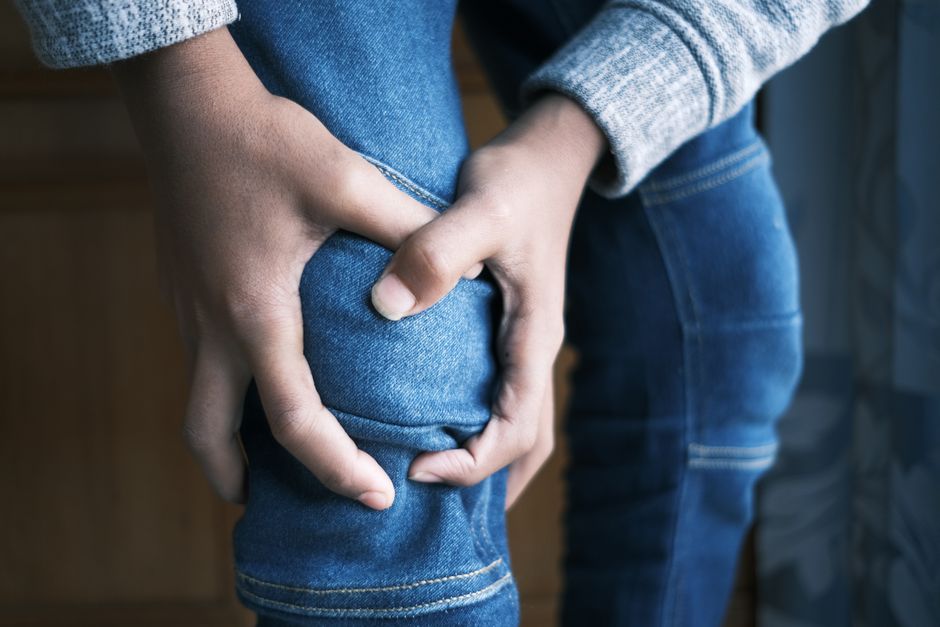
Joint pain after an iron infusion is a known side effect that happens when the body reacts to the iron particles or the rate at which they are delivered. Most reactions are mild and temporary, but understanding why they occur helps you know what is normal and when to call a doctor. The pain typically stems from an inflammatory immune response triggered by the iron-carbohydrate complex, not from damage to the joints themselves.
What Does Iron Infusion Joint Pain Feel Like?
People describe the pain in different ways. Some feel a dull ache in the knees, wrists, or knuckles. Others report stiffness that makes it hard to bend fingers or walk comfortably. The pain can appear within hours of the infusion and usually fades within a few days.
This type of reaction is called a delayed hypersensitivity reaction. The medical term is arthralgia, which simply means joint pain without true joint damage. Swelling is possible but usually mild. Redness or heat over the joint is less common.
The key point is that this pain is not arthritis. It does not erode cartilage or cause permanent joint changes. It is a temporary immune signal, not a structural problem.
Why Does the Body React This Way?
Iron infusions deliver a large amount of iron directly into the bloodstream. The iron is bound to a carbohydrate shell to prevent toxicity. Your immune system may recognize this iron-carbohydrate complex as foreign material.
When that happens, the immune system releases inflammatory chemicals called cytokines. These chemicals travel through the blood and can irritate the lining of joints. The joint lining, called the synovium, is sensitive to these signals. That irritation produces pain and stiffness.
This is not an allergic reaction in the classic sense. Allergic reactions involve immunoglobulin E antibodies and often cause hives or breathing trouble. Joint pain after infusion is a different pathway. It is more like a systemic inflammatory wave that settles in the joints.
Some research suggests the immune response is stronger when iron is given faster. Slower infusion rates give the immune system more time to process the particles. This is why nurses often start infusions slowly and watch you closely for the first 15 minutes.
Which Iron Infusion Types Are More Likely to Cause Joint Pain?
Not all iron infusions are the same. Different formulations use different carbohydrate shells, and those differences affect reaction rates.
Older formulations like high-molecular-weight iron dextran had higher rates of reactions, including joint pain. Newer formulations such as iron sucrose, ferric carboxymaltose, and iron isomaltoside generally have lower reaction rates. However, joint pain can still occur with any of them.
One study published in the American Journal of Therapeutics noted that delayed reactions like joint and muscle pain were more common with ferric carboxymaltose than with iron sucrose. But the overall rates were still low, and most cases resolved without treatment.
If you have had joint pain with one type of iron infusion, tell your doctor. They may choose a different formulation next time. This is a common clinical practice, though no large trials have directly compared all formulations for this specific side effect.





How Long Does Iron Infusion Joint Pain Last?
Most joint pain from iron infusion starts within 24 to 48 hours after the procedure. It usually peaks around day two and fades by day four or five. Some people feel mild achiness for up to a week.
The duration depends on how strong your immune response is and which formulation you received. People who have had multiple infusions sometimes notice the reaction is milder each time, though this is not guaranteed.
If joint pain lasts longer than a week or gets worse instead of better, contact your healthcare provider. Prolonged pain could be a sign of something unrelated to the infusion, such as a new onset of inflammatory arthritis.
What Can You Do to Ease the Discomfort?
Over-the-counter pain relievers can help. Acetaminophen and nonsteroidal anti-inflammatory drugs like ibuprofen are commonly used. Some clinicians recommend taking one of these before the infusion as a preventive measure, though this is not backed by strong trial evidence.
Resting the affected joints for a day or two is reasonable. Gentle movement, like slow walking or stretching, may help stiffness. Heat packs applied to sore joints can also provide relief.
Avoid intense exercise until the pain resolves. Strenuous activity can amplify the inflammatory response and make the discomfort worse. Listen to your body and give it time to settle.
Do not take high doses of ibuprofen or other anti-inflammatories without asking your doctor. These medications can affect kidney function, and iron infusions already place some stress on the kidneys, especially in people with chronic kidney disease.
When Should You Call a Doctor?
Mild joint pain is not an emergency. But some symptoms require immediate medical attention. Call your doctor or go to urgent care if you experience joint pain along with any of the following:
- Fever above 101°F
- Shortness of breath
- Swelling in your face or throat
- Rash that spreads beyond the infusion site
- Severe pain that prevents you from moving the joint
These symptoms could indicate a more serious reaction, such as anaphylaxis or a serum sickness-like response. Serum sickness is a delayed immune reaction that can cause fever, rash, and joint pain together. It is rare with modern iron formulations but still possible.
If you have a history of autoimmune conditions like rheumatoid arthritis or lupus, tell your doctor before the infusion. Some evidence suggests these patients may be more sensitive to infusion reactions, though the data is not definitive.
Can Joint Pain Be Prevented?
Prevention is not guaranteed, but several strategies may reduce your risk. Your doctor can prescribe a slower infusion rate. This is the most common preventive approach.
Some clinicians pre-medicate with antihistamines or corticosteroids before the infusion. This practice is more common in patients who have had reactions before. However, routine pre-medication is not recommended for first-time infusions because the evidence for benefit is limited.
Staying well-hydrated before and after the infusion may help. Dehydration can make any systemic reaction feel worse. Drink water throughout the day of your appointment.
Ask your doctor whether you should take an antihistamine before your next infusion if you have already experienced joint pain. This is a reasonable conversation to have, even though formal guidelines do not mandate it.
Is This the Same as Iron Infusion Muscle Pain?
Joint pain and muscle pain are related but distinct. Muscle pain, called myalgia, affects the muscle tissue itself. Joint pain affects the spaces between bones.
Both can occur after an iron infusion, and many people experience them together. The inflammatory cytokines that cause joint irritation also affect muscle tissue. The treatment approach is the same for both.
Some patients report a flu-like feeling with body aches after infusion. This is the same inflammatory mechanism. It usually passes within a few days without any specific treatment.
What Does the Evidence Actually Say?
The evidence for iron infusion joint pain comes from clinical trials and post-marketing surveillance. Most trials report joint pain as an uncommon side effect, occurring in fewer than 5 percent of patients. Exact percentages vary by formulation and study population.
One large safety review of intravenous iron products found that arthralgia was reported in about 1 to 3 percent of infusions. The review noted that most cases were mild and self-limited. No trials have shown permanent joint damage from iron infusion.
The honest position is that the evidence is not perfect. Clinical trials often underreport delayed reactions because patients may not mention mild joint pain. Real-world rates could be slightly higher than trial data suggests.
No study has confirmed that any specific supplement or dietary change prevents this side effect. Marketing claims about “joint support” supplements during iron therapy are not backed by clinical evidence.
When Can You Get Your Next Infusion?
If you need another iron infusion, you do not necessarily have to wait until joint pain fully resolves. Many patients proceed with the next scheduled dose while still experiencing mild discomfort.
However, tell your infusion nurse about your reaction. They may adjust the rate or change the formulation. Some doctors recommend spacing infusions further apart if reactions are bothersome.
Your iron levels matter more than the temporary joint discomfort. Untreated iron deficiency causes fatigue, shortness of breath, and cognitive problems. Weighing the benefits of correcting iron deficiency against a few days of joint pain usually favors completing the treatment.
Frequently Asked Questions
Can iron infusion cause joint pain days later?
Yes, joint pain can start 24 to 48 hours after the infusion and last up to a week. This is a delayed inflammatory reaction, not immediate damage.
How long does joint pain last after iron infusion?
Most joint pain fades within four to five days. If it lasts longer than a week or worsens, contact your doctor.
Is joint pain after iron infusion serious?
Usually not, but it can be serious if accompanied by fever, rash, or breathing trouble. Those symptoms require immediate medical attention.
What helps joint pain after iron infusion?
Over-the-counter pain relievers, rest, and heat packs can help. Avoid intense exercise until the pain settles.
