
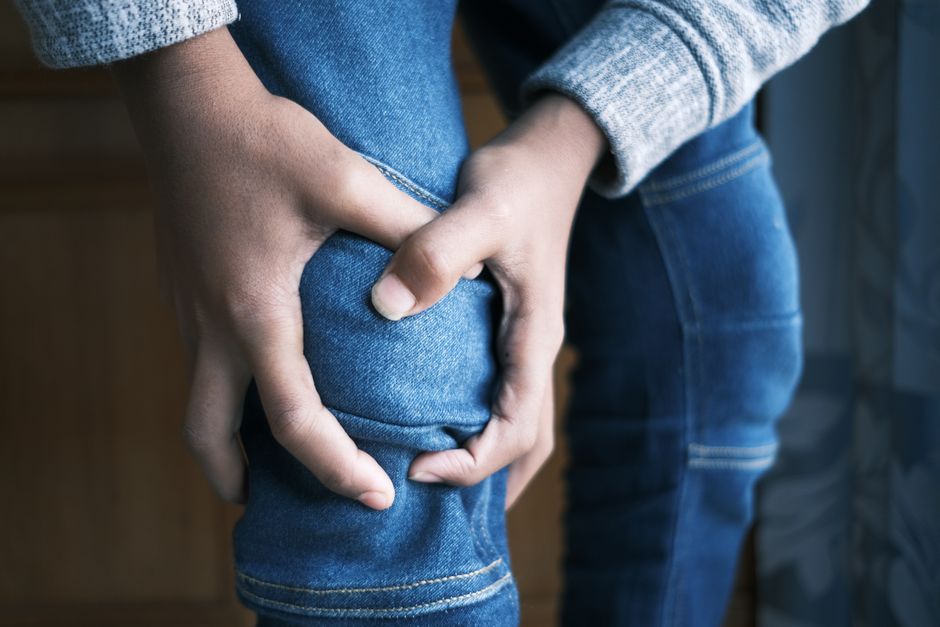
Sacroiliac joint pain can go away completely for some people. For others, it becomes a long-term condition that needs ongoing management. The difference usually comes down to the cause, how long you have had it, and whether the underlying problem can be corrected.
The sacroiliac joints sit where your lower spine meets your pelvis. They do not move much. But when they become inflamed or irritated, the pain can be severe enough to affect walking, sitting, and sleeping. Whether that pain fades depends on what is driving it in the first place.
What Causes Sacroiliac Joint Pain?
The most common trigger is inflammation inside the joint itself. This is called sacroiliitis. It can happen after a fall, a car accident, or repetitive strain. Pregnancy is another well-known cause because hormones loosen the ligaments around the pelvis.
Inflammatory arthritis is a separate category. Conditions like ankylosing spondylitis and other spondyloarthritis types target the sacroiliac joints specifically. This is important because inflammatory back pain behaves differently from mechanical back pain. It tends to be worse in the morning and better with movement. It often wakes people in the second half of the night.
Age-related wear also plays a role. The cartilage inside the joint can thin over time. Degenerative changes seen on imaging do not always cause pain, though. Many people with visible SI joint changes on an MRI have no symptoms at all. That disconnect matters when doctors try to figure out what is actually generating someone’s pain.
Less common causes include infection in the joint, fractures, and prior spinal fusion surgery. Surgery that fuses the lower spine changes how force travels through the pelvis. Some research suggests this increases stress on the sacroiliac joints over time.
Does Si Joint Pain Ever Go Away on Its Own?
Yes, for many people it does. Acute sacroiliac pain after an injury or pregnancy often improves within weeks to a few months. The body calms the inflammation, ligaments tighten back up, and the joint stops sending pain signals.
Pregnancy-related SI joint pain is a good example. For most women, it fades in the weeks after delivery as hormone levels return to normal. Some women continue to have symptoms for months. A smaller number develop persistent pain that lasts beyond a year.
Mechanical SI joint pain — the kind caused by too much or too little movement in the joint — has a more variable course. Some people respond quickly to physical therapy. Others cycle through flare-ups and remissions for years.
Inflammatory SI joint pain from arthritis rarely goes away on its own. It usually needs medication to control the underlying disease. Without treatment, it tends to persist and can cause lasting joint damage.
What Does the Research Say About Recovery?
Research on sacroiliac joint pain shows a wide range of outcomes. Some studies find that a majority of patients improve with conservative care like physical therapy and anti-inflammatory medication. Other studies show that a significant portion continue to have pain years later.
The variation comes from how researchers define SI joint pain and how they confirm the diagnosis. There is no single blood test or scan that proves the sacroiliac joint is the pain source. Doctors often use a diagnostic injection — numbing the joint with anesthetic and seeing if pain drops — to confirm the diagnosis. Even this method is not perfect.
What the evidence does suggest is that outcomes are better when the diagnosis is accurate and the treatment matches the cause. Someone with inflammatory arthritis needs different care than someone with a strained joint after a fall. Treating them the same way leads to poor results.
One non-obvious point: SI joint pain is frequently misdiagnosed as regular low back pain. Research indicates that a meaningful share of people with chronic low back pain actually have the sacroiliac joint as their primary pain source. This matters because treatments for lumbar spine pain often do not help SI joint pain.





What Treatments Help Si Joint Pain Go Away?
Treatment depends on the cause. For acute mechanical pain, the first line is usually rest, ice, and over-the-counter anti-inflammatory drugs like ibuprofen or naproxen. Physical therapy comes next. A therapist can teach exercises that stabilize the pelvis and strengthen the muscles around the joint.
For persistent pain, doctors may recommend corticosteroid injections into the joint. These can reduce inflammation and provide temporary relief. They are not a cure. Relief may last weeks to months, and repeat injections carry some risk of tissue damage over time.
Radiofrequency ablation is another option. This procedure uses heat to disable the nerves that carry pain signals from the joint. Some studies show good short-term relief. Long-term results are more mixed, and the nerves can grow back.
For inflammatory arthritis, the treatment is different. Medications that target the immune system — like TNF inhibitors or IL-17 inhibitors — can control the disease and reduce SI joint inflammation. These are prescription drugs that require a specialist. They do not cure the condition, but they can put it into remission.
Surgery is a last resort. Sacroiliac joint fusion is sometimes done when everything else has failed. It is a significant procedure with real risks. The evidence for its effectiveness is limited, and not all patients benefit. Some clinicians recommend it; others are cautious about it. The research does not give a clear answer on who will do well with surgery and who will not.
How Long Does Si Joint Pain Usually Last?
There is no single timeline that applies to everyone. Acute cases from injury or pregnancy often improve within six to twelve weeks. Chronic cases can last months or years.
Several factors affect how long pain lasts. The cause matters most. Inflammatory arthritis tends to be lifelong without treatment. Mechanical pain has a better chance of resolving. How quickly someone gets an accurate diagnosis also plays a role. So does their overall health, activity level, and whether they smoke.
Smoking is worth mentioning because it affects blood flow and tissue healing. Some research links smoking to worse outcomes in chronic pain conditions. It is not a guarantee of longer pain, but it is a factor that works against recovery.
Can Si Joint Pain Come Back After It Goes Away?
Yes. Even when pain resolves, the underlying vulnerability may remain. Ligaments that have been stretched do not always return to their original tightness. Muscles that were weak before the injury may still be weak after.
People who have had SI joint pain once are more likely to have it again. This is especially true if they return to the same activities that caused it without addressing the strength and movement issues behind it.
Physical therapy does not just treat the current episode. It also reduces the chance of recurrence by building stability around the joint. That is why finishing a full course of therapy matters, even after pain fades. The exercises are not just for symptom relief. They are for prevention.
Pregnancy-related SI joint pain tends to recur in subsequent pregnancies. The same hormonal changes happen again. Women who had it before are more likely to have it again. This does not mean it will be worse, but it is something to discuss with a doctor early in a later pregnancy.
When Should You See a Doctor?
See a doctor if pain lasts more than a few weeks, interferes with sleep, or makes it hard to walk or sit. Also see a doctor if you have numbness, tingling, or weakness in your legs. Those symptoms suggest nerve involvement and need a different evaluation.
Fever, unexplained weight loss, or pain that is worse at night and does not improve with rest are red flags. They can point to infection or inflammatory disease. These need prompt medical attention.
Getting an accurate diagnosis is the first step. Without it, treatment is guesswork. A doctor who specializes in spine or joint conditions is more likely to recognize SI joint pain for what it is.
Frequently Asked Questions
Does SI joint pain ever go away completely?
Yes, many people recover fully, especially when the cause is acute injury or pregnancy. Inflammatory or degenerative cases often need ongoing management rather than complete resolution.
How long does SI joint pain usually last?
Acute cases often improve within six to twelve weeks. Chronic cases can last months or years, depending on the cause and how well treatment works.
What is the best treatment for SI joint pain?
Physical therapy and anti-inflammatory medication are first-line for most mechanical cases. Inflammatory arthritis needs disease-modifying drugs prescribed by a specialist.
Can SI joint pain return after treatment?
Yes, recurrence is common, especially if the underlying strength and movement issues are not addressed. Continuing physical therapy exercises reduces the risk.
