
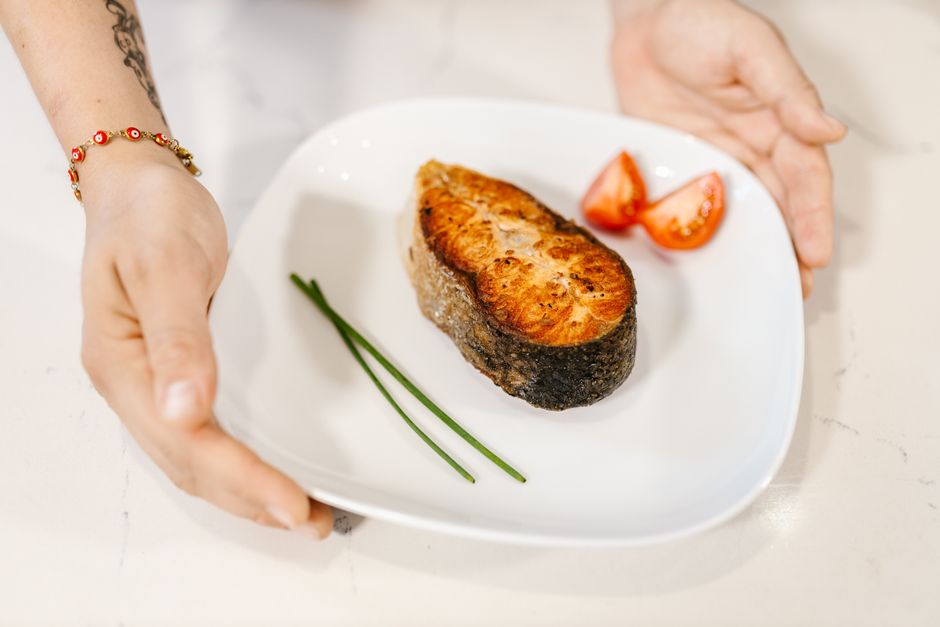
Joint pain often comes down to inflammation inside the joint. While no food is a cure, the right diet can reduce that inflammation and ease discomfort. Foods rich in omega-3 fatty acids, antioxidants, and certain plant compounds have the strongest evidence behind them. Think fatty fish, colorful vegetables, and olive oil — these are the foods to eat for joint pain that research consistently supports.
How Does Food Affect Joint Pain?
Inflammation is the body’s natural response to injury or irritation. In conditions like osteoarthritis, the joint lining becomes inflamed over time. In rheumatoid arthritis, the immune system attacks the joint tissue itself. Diet influences this process because certain foods either fuel or calm inflammation.
Some foods contain compounds that reduce inflammatory signals in the body. Others contain substances that may trigger or worsen them. The goal is not to cure arthritis with a single meal. It is to build a daily pattern of eating that keeps inflammation as low as possible.
Weight matters too. Extra pounds put added mechanical stress on weight-bearing joints like knees and hips. Losing even a small amount of weight can reduce joint pain significantly. A diet that supports a healthy weight is therefore part of any joint pain plan.
What Are the Best Foods to Eat for Joint Pain?
The Mediterranean diet is the most studied eating pattern for joint health. Research consistently shows that people who follow it report less pain and better physical function. You do not need to follow it perfectly. The core foods matter most.
Fatty fish like salmon, sardines, mackerel, and anchovies are rich in omega-3 fatty acids. Omega-3s reduce the production of inflammatory molecules in the body. Some studies suggest that regular fish consumption lowers morning stiffness in people with rheumatoid arthritis. Aim for two servings per week.
Olive oil, especially extra virgin, contains oleocanthal. This compound has anti-inflammatory properties similar to ibuprofen, though much milder. Using olive oil as your main cooking fat is a simple swap with real benefits.
Colorful fruits and vegetables provide antioxidants that neutralize free radicals — unstable molecules that damage cells and promote inflammation. Berries, cherries, oranges, spinach, kale, and broccoli are all good choices. Tart cherry juice has some evidence for reducing gout flares and post-exercise joint pain.
Nuts and seeds offer plant-based omega-3s and vitamin E. Walnuts, flaxseeds, and chia seeds are particularly good. A small handful of nuts daily is a reasonable target.
Whole grains like oats, brown rice, and quinoa contain fiber that supports gut health. A healthy gut microbiome appears to help regulate systemic inflammation.
Which Foods Should You Limit or Avoid?
Just as some foods calm inflammation, others feed it. The evidence is strongest for ultra-processed foods and added sugars. These foods trigger inflammatory pathways and contribute to weight gain, which worsens joint pain.
Sugary drinks are the clearest culprit. Regular soda and sweetened juices spike blood sugar and promote inflammation. Water, unsweetened tea, and coffee are better choices.
Refined carbohydrates like white bread, pastries, and many breakfast cereals behave similarly to sugar in the body. They are quickly digested and cause blood sugar spikes.
Red and processed meats have mixed evidence. Some studies link high consumption to increased inflammation, but the effect is modest. Limiting these to a few times per month is a reasonable approach.
Fried foods cooked in vegetable oils high in omega-6 fatty acids may promote inflammation when eaten in excess. This does not mean omega-6s are bad — they are essential — but the balance matters. Most people already get far more omega-6 than omega-3.
Alcohol deserves special mention for gout. Beer and spirits raise uric acid levels, which can trigger gout attacks. If you have gout, limiting alcohol is one of the most effective dietary changes you can make.





Do Supplements Help Joint Pain?
The supplement market for joint pain is enormous. Most products have weak evidence behind them. Some have none.
Fish oil supplements provide concentrated omega-3s. They are the supplement with the most consistent evidence for reducing joint pain, especially in rheumatoid arthritis. Some studies also show benefit for osteoarthritis, though the effect is smaller.
Glucosamine and chondroitin are among the most popular joint supplements. The evidence is mixed. Large trials have not shown clear benefit for most people with knee osteoarthritis. Some individuals report improvement, but researchers cannot predict who will respond.
Vitamin D is important for bone health, and deficiency is common. Correcting a deficiency is wise. Taking extra vitamin D when your levels are normal has not been shown to reduce joint pain.
Turmeric or curcumin has anti-inflammatory properties in laboratory studies. Small human trials show some pain reduction in osteoarthritis. The effect appears real but modest. Quality of supplements varies widely, and high doses can cause stomach upset.
The honest position is that no supplement replaces dietary changes. If you try a supplement, give it a clear trial period of two to three months. If you notice no difference, there is little reason to continue.
Is There a Specific Diet for Rheumatoid Arthritis?
Rheumatoid arthritis is an autoimmune disease, not just a wear-and-tear condition. The inflammation comes from the immune system attacking joint tissue. Diet cannot stop this process, but it may help manage symptoms alongside medication.
The Mediterranean diet has the most evidence here too. Some studies show reduced pain and morning stiffness in people with rheumatoid arthritis who follow it. The anti-inflammatory effect of omega-3s appears particularly relevant.
Some people with rheumatoid arthritis report that certain foods trigger flares. Common triggers include nightshade vegetables like tomatoes and peppers, dairy, and gluten. However, no clinical trials confirm these links for most people. If you suspect a trigger, try eliminating it for three to four weeks. If symptoms do not improve, reintroduce it.
Never stop or reduce arthritis medication based on dietary changes. Disease-modifying drugs protect joints from permanent damage. Diet is an addition, not a replacement.
How Long Before Diet Changes Help Joint Pain?
There is no single timeline. Some people notice changes within weeks. Others need several months of consistent eating before they feel a difference.
Omega-3 fatty acids take time to build up in cell membranes. Studies that show benefit typically last at least three months. Anti-inflammatory eating is not a quick fix. It is a cumulative process.
The most dramatic improvements usually come from weight loss rather than specific foods. If you carry excess weight, reducing it by even five to ten percent can noticeably reduce knee pain. That takes time, but the joint benefits are well established.
Keep a simple food and symptom diary if you want to track progress. Note what you eat and rate your pain daily. Patterns become visible over weeks that are hard to see day to day.
Practical Meal Ideas for Joint Health
You do not need a special recipe book. Simple swaps and patterns work best.
- Breakfast: Oatmeal with berries and walnuts instead of sugary cereal or pastries.
- Lunch: A large salad with leafy greens, olive oil dressing, and grilled salmon or chickpeas.
- Dinner: Baked fish with roasted vegetables and quinoa instead of fried meat with white rice.
- Snacks: An apple with almond butter, or a small handful of mixed nuts instead of chips or cookies.
These meals are not exotic. They are simply built around whole foods rather than processed ones. Consistency matters far more than perfection. One unhealthy meal does not ruin your progress, just as one healthy meal does not fix everything.
Frequently Asked Questions
What is the single best food for joint pain?
Fatty fish like salmon has the strongest evidence for reducing joint inflammation. Its omega-3 content directly lowers inflammatory markers in the body.
Can diet alone cure arthritis?
No diet cures arthritis, but dietary changes can reduce pain and slow progression in some cases. The realistic goal is better symptom management, not elimination of the condition.
Are tomatoes bad for joint pain?
Some people report that nightshade vegetables worsen their pain, but no clinical studies confirm this for most people. If tomatoes do not bother you, there is no evidence-based reason to avoid them.
How much water should I drink for joint health?
There is no specific water intake proven to improve joint pain, but staying adequately hydrated supports cartilage health. Drink enough that your urine is pale yellow throughout the day.
