
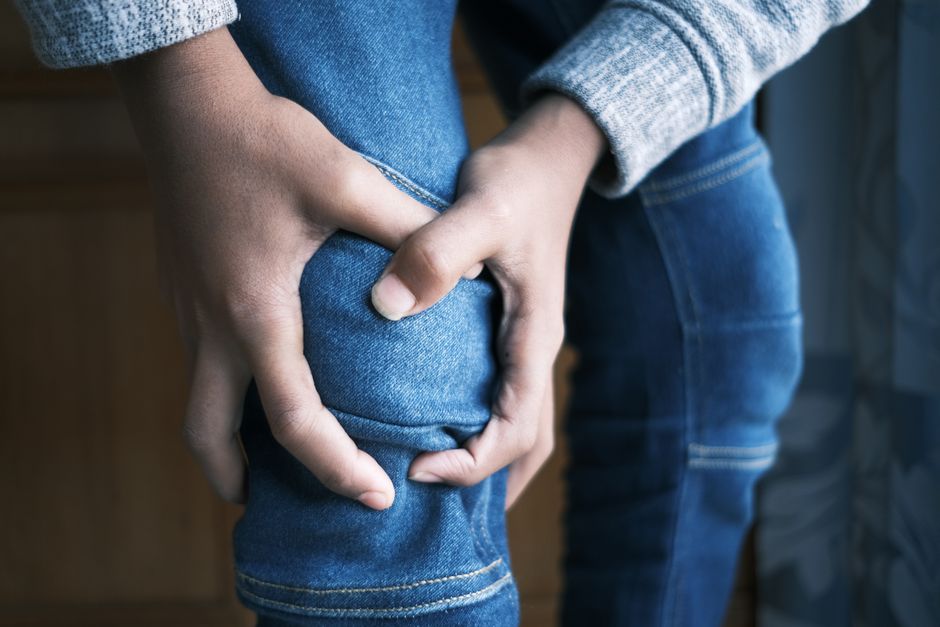
Joint pain is not one single feeling. It is a range of sensations that change depending on the cause, the joint involved, and your own body. For most people, joint pain feels like a deep ache that does not go away, often paired with stiffness that makes movement difficult. Some describe it as a grinding sensation inside the joint, while others feel sharp, sudden pain with certain movements. The experience can shift from a dull, constant throb to a brief, intense stab when you twist or bend the wrong way.
What Does Joint Pain Feel Like Day to Day?
Morning is often the worst time for many people with joint pain. You wake up and your joints feel stiff, almost like they need to be warmed up before they will work. This stiffness can last for 30 minutes or more. It is common in the knees, hands, and lower back.
As you move around, the pain may ease. But activity can also make it worse. Walking up stairs might cause a sharp catch in your knee. Gripping a coffee cup could send a twinge through your finger joints. The pain is not always predictable. Some days are better than others, and weather changes can affect how you feel.
Fatigue often comes with joint pain. Your body is working harder to move, and that takes energy. Many people report feeling drained by midday, even if they have not done much physically. This is not laziness. It is a real effect of chronic pain on your nervous system.
What Causes the Different Sensations of Joint Pain?
The sensation depends on what is happening inside the joint. In osteoarthritis, the cartilage that cushions bones wears down. This creates a bone-on-bone feeling, often described as grinding or grating. You may hear a crackling sound when you move, called crepitus. This is not always painful, but it can be unsettling.
In rheumatoid arthritis, the immune system attacks the joint lining. This causes inflammation, swelling, and warmth. The pain is more of a deep, burning ache. It often affects both sides of the body at the same time, like both wrists or both knees.
Gout feels completely different. It comes on suddenly, often at night, and targets one joint, usually the big toe. The pain is intense, throbbing, and hot. Even the weight of a bedsheet can feel unbearable. This is caused by uric acid crystals forming in the joint.
Injuries like sprains or tears produce sharp, localized pain. You can usually point to exactly where it hurts. This pain is often worse with specific movements and better with rest.
How Is Joint Pain Different From Muscle Pain?
People often confuse joint pain with muscle pain, but they feel different. Muscle pain is usually a dull ache or cramping sensation. It tends to be diffuse, meaning you cannot pinpoint one spot. Muscle pain often improves with gentle stretching and massage.
Joint pain is deeper and more localized. It is centered in the joint itself, not the surrounding tissue. Moving the joint usually makes it worse. Resting it often helps, at least temporarily. Joint pain also comes with stiffness, swelling, or a feeling of instability, as if the joint might give out.
One simple test: if the pain is in a specific joint and gets worse when you move that joint, it is likely joint pain. If the pain is spread across a larger area and feels like soreness, it is probably muscle pain.





What Does Research Say About How People Describe Joint Pain?
Studies have found that people use surprisingly consistent language to describe joint pain. The most common words are “aching,” “stiff,” “throbbing,” and “grinding.” Research published in the journal Pain showed that people with osteoarthritis often describe their pain as a “gnawing” sensation, while those with inflammatory arthritis use words like “burning” and “hot.”
Current research suggests that the brain processes chronic joint pain differently than acute pain. With long-term joint pain, the nervous system becomes more sensitive. This means a movement that used to cause mild discomfort can eventually feel very painful. This is called central sensitization. It explains why joint pain can feel worse over time, even if the joint damage has not changed much.
As of 2026, researchers are studying how pain descriptions can help diagnose the type of arthritis more accurately. The words you use to describe your pain matter. They give doctors real clues about what is happening inside your body.
When Should You Take Joint Pain Seriously?
Not all joint pain needs a doctor visit. Mild stiffness after exercise or a brief ache from overuse usually resolves on its own. But some signs mean you should get checked out.
- Swelling that does not go down after a few days
- Redness or warmth around a joint
- Pain that wakes you up at night or is worse at rest
- Joint deformity or a joint that looks different than before
- Fever along with joint pain, which can signal an infection
- Sudden, severe pain in one joint, especially the big toe
If you have any of these signs, see a doctor. Joint pain that lasts more than six weeks also warrants a medical evaluation. Early treatment often makes a big difference, especially for inflammatory conditions like rheumatoid arthritis.
What Actually Helps With Joint Pain?
There is no single fix that works for everyone. But the evidence supports a few approaches that help most people.
Movement is the most consistent recommendation from research. Gentle, low-impact exercise like walking, swimming, or cycling strengthens the muscles around the joint. This takes pressure off the joint itself. A 2020 review of studies in the British Journal of Sports Medicine found that exercise reduces pain and improves function in people with knee osteoarthritis as much as some pain medications.
Weight management also matters. Every extra pound of body weight puts about four pounds of pressure on your knees. Losing even 5 to 10 percent of your body weight can significantly reduce joint pain, especially in weight-bearing joints.
Heat and cold are simple but effective. Heat helps with stiffness. A warm shower or heating pad before activity can loosen up tight joints. Cold helps with swelling and acute pain. An ice pack for 15 to 20 minutes after activity can reduce inflammation.
Over-the-counter medications like acetaminophen or ibuprofen can provide short-term relief. But they are not safe for long-term daily use without a doctor’s supervision. Ibuprofen and other NSAIDs can damage the stomach and kidneys if taken too often.
Supplements are widely promoted, but the evidence is mixed. Some studies suggest glucosamine and chondroitin may help a small number of people with mild to moderate knee osteoarthritis. But large, well-designed trials have not shown consistent benefits. As of 2026, there is no strong evidence that any supplement can reverse joint damage or provide reliable pain relief for most people.
The following table compares common approaches to managing joint pain based on current evidence:
| Approach | Evidence Level | Best For |
|---|---|---|
| Low-impact exercise | Strong | Osteoarthritis, general stiffness |
| Weight loss | Strong | Knee and hip pain |
| Heat therapy | Moderate | Morning stiffness |
| Cold therapy | Moderate | Acute swelling and pain |
| NSAIDs (ibuprofen, naproxen) | Strong | Short-term pain and inflammation |
| Glucosamine/chondroitin | Weak to mixed | Mild knee osteoarthritis in some people |
| Acupuncture | Moderate | Some people with knee osteoarthritis |
What Should You Avoid When Dealing With Joint Pain?
There are many products and claims that sound helpful but are not backed by evidence. Be cautious about anything that promises a “cure” for arthritis or joint pain. No cure exists for most types of arthritis. Management is the goal.
Avoid prolonged rest. Staying still for too long makes joints stiffer and muscles weaker. This creates a cycle of more pain and less movement. It is better to move gently than to stay in bed.
Be skeptical of expensive supplements, special diets, or devices that claim to “detox” your joints. The body does not store toxins in joints. These claims are not supported by science. Save your money for things that actually work.
Avoid ignoring pain that changes your gait or how you move. If you start limping because of joint pain, you are putting uneven stress on other joints. This can cause new problems in your hips, back, or opposite knee. Address the underlying issue instead of just compensating.
Frequently Asked Questions
Can joint pain go away on its own?
Minor joint pain from overuse or mild injury can resolve with rest and time. Chronic joint pain from arthritis usually does not go away completely but can be managed.
Why does joint pain feel worse in cold weather?
Some people report increased joint pain in cold or damp weather, though research is not conclusive. Changes in barometric pressure may cause tissues to expand slightly, which can irritate sensitive nerves.
Is joint pain always arthritis?
No. Joint pain can come from injuries, infections, tendinitis, bursitis, or autoimmune conditions. Arthritis is one of many possible causes.
What is the difference between joint pain and joint stiffness?
Joint pain is a sensation of discomfort or ache. Joint stiffness is a feeling of reduced range of motion or difficulty moving the joint. They often occur together but are separate symptoms.
