
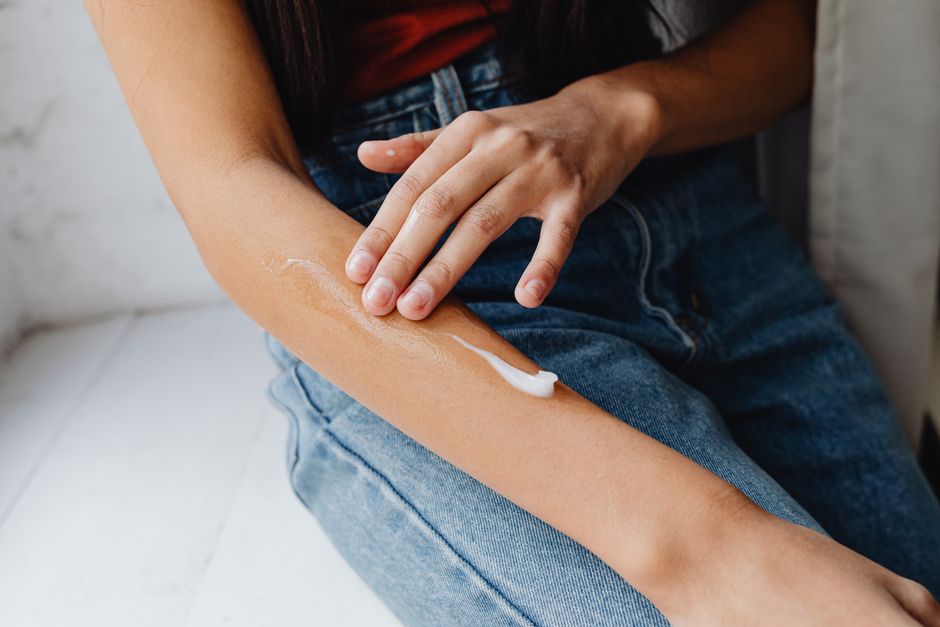
That urge to scratch is a reflex your nervous system uses to protect your skin. Itching, which doctors call pruritus, happens when certain nerve endings in the skin get triggered and send a signal up to your brain. Those signals are usually set off by something on or under the skin — dryness, an insect bite, an allergic reaction, a rash, or a chemical your own body releases during inflammation. The feeling is real and the cause is often simple, but persistent itching can also be a sign of a condition that needs medical attention.
Itching is one of the most common reasons people see a doctor about their skin. The list of possible causes is long, which is why the first step is usually figuring out whether the trigger is on the skin itself or somewhere deeper in the body.
What Causes Itching On The Skin?
The most common cause of itchy skin is dryness. When the outer layer of skin loses water and its natural oils, the barrier weakens and nerve endings become more easily irritated. This is especially common in winter, in older adults, and in people who bathe often with hot water or harsh soaps.
Beyond dryness, the major causes fall into a few groups:
- Skin conditions — eczema, psoriasis, contact dermatitis, and fungal infections such as athlete’s foot or ringworm.
- Allergic reactions — to foods, medications, plants like poison ivy, cosmetics, or fabrics.
- Insect bites and infestations — mosquito bites, scabies, lice, and bedbugs.
- Infections — viral rashes, chickenpox, and some bacterial skin infections.
- Systemic (whole-body) conditions — liver disease, kidney disease, thyroid problems, iron deficiency, and some blood disorders.
- Nerve-related causes — shingles, nerve damage from diabetes, and other nerve disorders.
- Medications — some drugs cause itching directly or as part of an allergic reaction.
One point that surprises many people: itching is not just a milder form of pain. It travels on its own dedicated nerve pathways, and scientists have identified a specific chemical messenger, called natriuretic polypeptide b, that carries many itch signals from the skin to the spinal cord. That is why itch and pain can behave so differently, and why some pain medications do not relieve itching.
Why Does Scratching Make Itching Worse?
Scratching brings brief relief, then often makes things worse. The reason is a feedback loop between your skin and your nervous system. Scratching damages the skin slightly, which releases more inflammatory chemicals and triggers more itch signals. Your brain also responds to the relief of scratching by releasing serotonin, and serotonin itself can intensify the itch sensation.
This cycle is why dermatologists often advise against scratching even when it feels unavoidable. Over time, repeated scratching can thicken the skin, cause breaks that let bacteria in, and lead to infection. The medical term for this thickened, leathery skin is lichenification, and it is common in chronic eczema.
For temporary relief, cool compresses, keeping nails short, and moisturizing the skin can calm the urge. If itching is severe or long-lasting, a doctor can recommend treatments that target the underlying cause rather than just the sensation.
When Is Itchy Skin A Sign Of Something Serious?
Itching that persists for weeks without a visible rash deserves a medical evaluation. When skin looks normal but itches all over, doctors call it generalized pruritus, and it can be the first sign of an internal problem.
Conditions linked to unexplained widespread itching include:
- Liver disease — including conditions that cause bile to build up.
- Chronic kidney disease — itching is a well-documented symptom, especially in advanced stages.
- Iron deficiency anemia — a recognized cause of generalized itching.
- Thyroid disorders — both an overactive and underactive thyroid can cause itchy skin.
- Blood cancers — itching is a known symptom of some lymphomas and can appear before other signs.
- Diabetes — nerve damage from diabetes can cause localized itching.
This does not mean every itch points to a serious illness. Most itching has a simple cause. But itching that lasts more than a few weeks, comes with weight loss, night sweats, fever, or fatigue, or does not respond to basic skin care is worth discussing with a doctor. Blood tests are often the next step.





How Do Skin Conditions Cause Itching?
Inflammatory skin conditions cause itching through the immune system. When skin is inflamed, immune cells release chemicals like histamine and cytokines that directly stimulate itch nerves. Each condition has its own pattern.
Eczema (atopic dermatitis) is one of the most common itchy skin conditions. It causes dry, red, inflamed patches, often on the inner elbows, behind the knees, and on the hands. The itch is often worse at night.
Psoriasis causes thick, scaly patches, most often on the elbows, knees, and scalp. Itching is common, though some people with psoriasis report more burning or soreness than itch.
Contact dermatitis happens when skin touches something it reacts to — poison ivy, nickel in jewelry, certain fragrances, or latex. The reaction usually appears within hours to a couple of days and is often intensely itchy.
Fungal infections such as ringworm and athlete’s foot cause itching along with a characteristic rash. These need antifungal treatment, not just moisturizer.
What About Allergies, Bites, And Infestations?
Allergic itching happens when your immune system releases histamine in response to a trigger. That is why antihistamines help with some types of itching, particularly hives and insect bites, but not others. Histamine is only one of many itch chemicals, which is why antihistamines do not work for every kind of itch.
Insect bites cause itching through a local reaction to proteins in the insect’s saliva. Most fade within a few days. Scabies, a mite infestation, causes intense itching that is often worse at night and comes with a pimple-like rash, usually between the fingers, on the wrists, or in skin folds. Scabies needs prescription treatment, and everyone in close contact usually needs treatment too.
Bedbug bites often appear in lines or clusters on skin exposed during sleep. Lice cause itching mainly on the scalp, behind the ears, and at the back of the neck.
When Should You See A Doctor For Itchy Skin?
See a doctor if itching lasts more than two weeks without improving, is severe enough to disturb sleep, or comes with a rash that is spreading, blistering, or showing signs of infection such as warmth, pus, or red streaks. Also seek care if itching affects your whole body with no visible rash, or if you have other symptoms like fever, weight loss, or night sweats.
Seek urgent care if itching comes with swelling of the lips, tongue, or throat, or trouble breathing. That combination can signal a serious allergic reaction called anaphylaxis, which is a medical emergency.
For everyday itching, gentle skin care goes a long way. Lukewarm showers, fragrance-free moisturizer applied within a few minutes of bathing, and avoiding harsh soaps help protect the skin barrier. If those steps do not help, a doctor can look for an underlying cause.
Frequently Asked Questions
What is the most common cause of itchy skin?
Dry skin is the most common cause of itchy skin, especially in older adults and during cold, dry weather. When skin loses moisture, its protective barrier weakens and nerve endings become more easily irritated.
Why does itchy skin get worse at night?
Itching often feels worse at night because body temperature rises slightly, skin loses moisture, and there are fewer distractions. Some conditions, like scabies and eczema, are known for nighttime itching.
Can itchy skin be a sign of a health problem?
Yes. Itching all over with no visible rash can be linked to liver disease, kidney disease, iron deficiency, thyroid problems, or some blood cancers. Most itching has a simple cause, but persistent unexplained itching should be checked by a doctor.
Does scratching make itching worse?
Yes. Scratching damages the skin, releases more inflammatory chemicals, and triggers a cycle that can intensify the itch. It can also lead to infection and thickened skin over time.
