
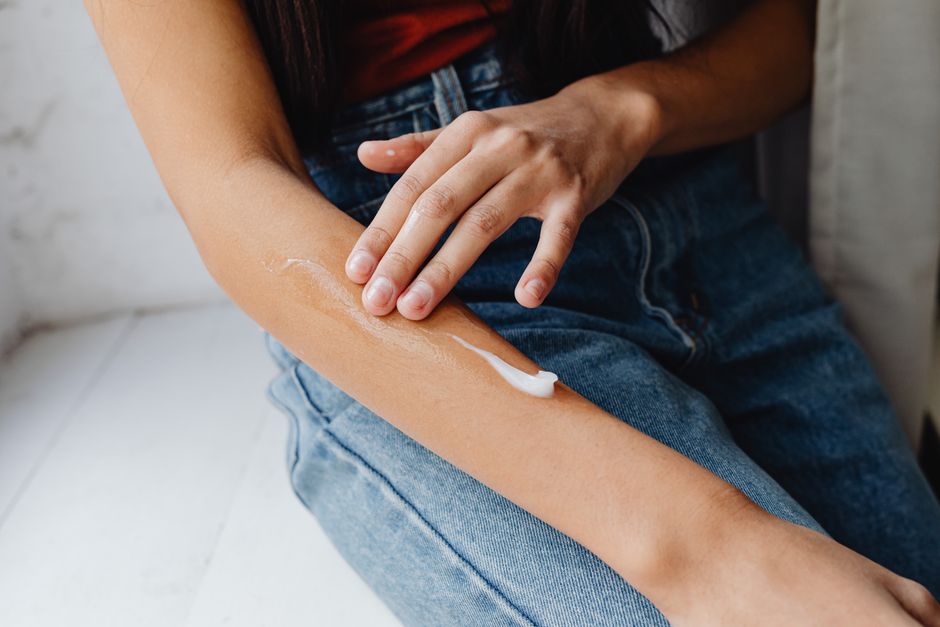
Itching is a signal, not a sensation. The brain does not register “itch” the way it registers heat or pressure. Instead, specialized nerve endings in the skin detect certain chemical triggers and send a message up the spinal cord to the brain, which then produces the urge to scratch. That is why itching can come from something as simple as dry skin or as complex as nerve damage — the same pathway is being activated, just at different points along the line.
What causes itching skin from dry skin to nerve damage? The answer depends on where the signal starts. Dry skin, allergies, and irritants activate nerve endings in the skin itself. Nerve damage causes itching when the nerves carrying those signals are injured or misfiring. Other causes — liver disease, kidney failure, thyroid problems, and some medications — trigger itching through internal chemical changes. Identifying the source is the first step toward relief.
What Causes Itching Skin From Dry Skin To Nerve Damage?
The causes of itching fall into four broad categories, and each one works differently.
Skin-based causes are the most common. Dry skin, eczema, psoriasis, insect bites, and contact with irritants all trigger itch by activating nerve endings in the top layers of skin. These nerve endings release chemicals — histamine is the best known — that send itch signals to the brain.
Systemic causes originate inside the body. Liver disease, chronic kidney disease, iron deficiency, and an underactive or overactive thyroid can all produce itching without any visible rash. The mechanism varies. In liver disease, bile salts build up in the blood and deposit in the skin. In kidney disease, waste products that dialysis does not fully remove are thought to play a role.
Neurological causes involve the nerves themselves. When nerve fibers are damaged — from diabetes, shingles, multiple sclerosis, or a pinched nerve — they can fire spontaneously. The brain receives an itch signal even though nothing is touching the skin. This type of itch is often described as burning, tingling, or prickling alongside the itch.
Psychological causes are real but less understood. Stress and anxiety can worsen itching, and some people experience itching that has no identifiable physical trigger. This does not mean the itch is imagined. It means the nervous system is involved in a way that is not yet fully mapped.
How Does Dry Skin Cause Itching?
Dry skin is the most common cause of itching, and the mechanism is straightforward. The outer layer of skin — the stratum corneum — acts as a barrier. When that barrier loses water and lipids, it cracks at a microscopic level. Those tiny gaps expose nerve endings that are normally protected, and the nerves fire.
Several things strip the skin barrier:
- Cold weather and low humidity
- Hot showers and harsh soaps
- Aging — oil gland activity declines over time
- Certain medications, including diuretics
- Medical conditions such as hypothyroidism
The itch from dry skin tends to be generalized and worse in winter. It usually improves with moisturizing. If it does not improve despite consistent moisturizing, that is a signal to look for another cause.
One detail worth knowing: dry skin itching is not caused by histamine in most cases. That is why antihistamines often do not help. Moisturizers that restore the skin barrier — not allergy pills — are the first line for this type of itch.
What Does Nerve Damage Itching Feel Like?
Nerve-related itching feels different from skin-related itching. People describe it as burning, tingling, electric, or prickling. It may come with numbness or a sensation like insects crawling under the skin. The itch may be intense in one specific area or follow a pattern along a nerve pathway.
This type of itch is called neuropathic itch. It happens when the nerves that carry itch signals are damaged or irritated. Common causes include:
- Diabetes (diabetic neuropathy)
- Shingles and postherpetic neuralgia
- Multiple sclerosis
- Stroke
- Pinched nerves in the spine
- Small fiber neuropathy
Neuropathic itch does not respond well to standard anti-itch treatments like hydrocortisone cream or antihistamines. That is because the problem is not in the skin. It is in the nerve. Treatment usually involves medications that calm nerve activity, such as certain antidepressants or anti-seizure drugs. These are prescribed by a doctor and are not available over the counter.
If itching comes with numbness, burning, or a pins-and-needles feeling, that is a reason to see a doctor rather than treat it at home.





When Is Itching a Sign of Something More Serious?
Most itching is not dangerous. But certain patterns warrant a medical evaluation.
Itching all over the body without a rash can be a sign of an internal condition. Research has consistently shown associations between generalized itching and liver disease, chronic kidney disease, and blood disorders. The itch is often worse at night and does not respond to moisturizers or antihistamines.
Other warning signs include:
- Itching that lasts more than two weeks without explanation
- Itching with weight loss, fatigue, or night sweats
- Itching with yellowing of the skin or eyes
- Itching that is severe enough to disturb sleep every night
- Itching with a new medication started within the past few weeks
These signs do not mean something serious is definitely present. They mean the itch should be evaluated rather than managed at home. A doctor can run blood tests to check liver function, kidney function, thyroid levels, and blood counts.
How Do You Treat Itching Based on the Cause?
Treatment depends entirely on what is causing the itch. Using the wrong treatment wastes time and can make things worse.
| Cause | First-Line Approach | What Does Not Work |
|---|---|---|
| Dry skin | Fragrance-free moisturizer, lukewarm showers | Antihistamines |
| Eczema or psoriasis | Prescription topical steroids or immune modulators | Moisturizer alone |
| Allergic reaction | Antihistamines, avoiding the trigger | Moisturizer alone |
| Nerve damage | Prescription nerve-calming medications | Hydrocortisone, antihistamines |
| Liver or kidney disease | Treating the underlying condition | Over-the-counter creams |
For dry skin, the evidence is clear: moisturizers that contain ceramides or petrolatum help restore the skin barrier. Applying them within three minutes of bathing traps water in the skin. This is a well-established practice in dermatology.
For inflammatory skin conditions like eczema, topical corticosteroids remain the standard treatment. They reduce inflammation and break the itch-scratch cycle. The itch-scratch cycle is worth understanding: scratching damages the skin, which causes more inflammation, which causes more itching. Breaking that cycle is a core goal of treatment.
For neuropathic itch, the evidence is more limited. Some medications used for nerve pain also reduce neuropathic itch, but this is an area where treatment is often trial-and-error. No single drug works for everyone.
Can You Prevent Itching Before It Starts?
Some itching is preventable. Dry skin itching, in particular, responds well to prevention.
Keep showers lukewarm and short. Hot water strips oils from the skin. Use a gentle, fragrance-free cleanser instead of bar soap. Pat the skin dry instead of rubbing. Apply moisturizer while the skin is still damp.
Indoor humidity matters more than most people realize. Running a humidifier in winter can reduce dry skin itching significantly. So can wearing soft fabrics like cotton instead of wool or synthetic materials that irritate the skin.
For people with known allergies, avoiding triggers is the most effective prevention. That may mean changing laundry detergent, avoiding certain foods, or managing pet dander.
For nerve-related itching, prevention is harder because the cause is internal. Managing underlying conditions — keeping blood sugar controlled in diabetes, for example — may reduce the risk of nerve damage over time. But once nerve damage has occurred, preventing the itch itself is not always possible.
Does Scratching Make Itching Worse?
Yes. Scratching makes itching worse, and the reason is neurological.
When you scratch, the brain releases serotonin as part of the pain response. Serotonin is meant to help control pain, but it also activates itch-specific neurons in the spinal cord. The result is a temporary relief followed by more itching. This is why scratching feels good for a moment and then the itch returns stronger.
Over time, chronic scratching damages the skin barrier, causing inflammation and thickening of the skin. That thickening — called lichenification — creates more itch. The cycle feeds itself.
Breaking the cycle usually requires treating the underlying cause. For dry skin, that means moisturizing consistently. For eczema, that means reducing inflammation with medication. For neuropathic itch, that means calming the nerves. Cold compresses and gentle pressure can provide short-term relief without triggering the serotonin response.
Frequently Asked Questions
What causes itching all over the body without a rash?
Itching all over without a rash can be caused by dry skin, medication side effects, or internal conditions such as liver disease, kidney disease, or thyroid problems. A doctor can run blood tests to identify the cause.
Can nerve damage cause itching?
Yes. When nerve fibers are damaged, they can fire spontaneously and send itch signals to the brain even when nothing is touching the skin. This is called neuropathic itch, and it often feels like burning or tingling along with the itch.
Why do antihistamines not work for some types of itching?
Antihistamines only block histamine, which is just one of many chemicals that can trigger itch. Dry skin itching and neuropathic itching are not primarily driven by histamine, so antihistamines often do not help.
When should I see a doctor for itching?
See a doctor if itching lasts more than two weeks without a clear cause, comes with weight loss or fatigue, or is severe enough to disturb sleep every night. These signs suggest the itch may need medical evaluation.
