
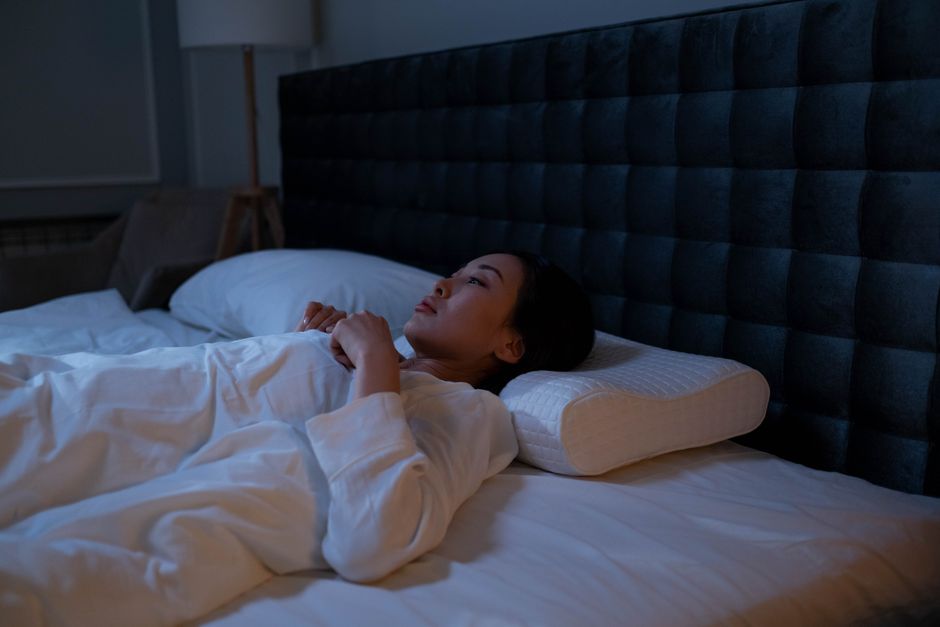
Insomnia in older adults is common, but it is not a normal part of aging. It usually stems from a mix of medical conditions, medication side effects, and changes in sleep architecture that happen naturally over time. Treatment focuses on identifying those underlying causes, improving sleep habits, and using targeted therapies like cognitive behavioral therapy for insomnia (CBT-I) before considering sleep medications.
What Changes in Sleep as We Age?
Sleep patterns shift as the body ages. Deep sleep, also called slow-wave sleep, decreases. Older adults spend more time in the lighter stages of sleep, which makes them more likely to wake up during the night.
The internal body clock, or circadian rhythm, also shifts forward. Many older people feel sleepy earlier in the evening and wake up earlier in the morning. This is a biological change, not a behavioral choice. The production of melatonin, the hormone that signals sleep, also declines with age.
These changes mean sleep becomes lighter and more fragmented. The total sleep time may stay the same, but the quality drops. When an older adult complains of insomnia, it is often because these natural changes are amplified by other health issues.
What Causes Insomnia In The Elderly?
Insomnia in older adults rarely has a single cause. It is usually the result of several factors working together. The most common contributors are chronic medical conditions, medications, and mental health issues.
Pain is a major driver. Arthritis, neuropathy, and other chronic pain conditions make it hard to get comfortable and stay asleep. The brain stays in a state of heightened alertness because it is processing pain signals all night.
Medical conditions that affect breathing or urination also disrupt sleep. Chronic obstructive pulmonary disease (COPD), heart failure, and sleep apnea cause breathing interruptions. An enlarged prostate or overactive bladder forces frequent trips to the bathroom. Each awakening fragments the sleep cycle and makes it harder to return to deep sleep.
Mental health matters as much as physical health. Depression and anxiety are strongly linked to insomnia in older adults. The relationship goes both ways — depression causes insomnia, and chronic insomnia worsens depression. Grief, social isolation, and major life transitions like retirement or the loss of a spouse also disrupt sleep.
Neurological conditions deserve special attention. Parkinson’s disease and Alzheimer’s disease both alter the brain regions that regulate sleep. Restless legs syndrome, which causes an urge to move the legs at night, is more common in older adults and directly interferes with falling asleep.
How Do Medications Affect Sleep in Older Adults?
Medications are a frequently overlooked cause of insomnia. Many common drugs interfere with sleep, and older adults typically take more medications than younger people.
Certain blood pressure medications, particularly beta-blockers, can reduce melatonin production and cause nighttime awakenings. Corticosteroids like prednisone increase alertness. Some antidepressants, especially SSRIs, can cause insomnia as a side effect even though they are prescribed for mood.
Diuretics, often called water pills, increase urination. Taking them late in the day means frequent bathroom trips overnight. Decongestants and asthma medications containing stimulants can keep the brain wired.
Alcohol is another culprit. It may help someone fall asleep faster, but it fragments sleep in the second half of the night. Caffeine has a long half-life — a cup of coffee in the afternoon can still be affecting sleep at midnight. Nicotine is a stimulant that disrupts sleep architecture.
Reviewing all medications with a doctor or pharmacist is an essential step. Sometimes switching the timing of a dose, or changing to a different drug in the same class, resolves the insomnia without adding a new medication.





What Is Sleep Apnea and How Does It Relate?
Obstructive sleep apnea is a condition where the airway collapses during sleep, stopping breathing for seconds at a time. The brain wakes the person just enough to restart breathing, but this happens dozens or hundreds of times per night.
Sleep apnea is underdiagnosed in older adults. Many people assume their fatigue is just aging. Loud snoring, gasping during sleep, and daytime sleepiness are the classic signs. But some older adults, especially women, may only experience insomnia symptoms like frequent awakenings without noticeable snoring.
Untreated sleep apnea is serious. It strains the heart, raises blood pressure, and increases the risk of stroke. It also makes insomnia treatment less effective — no sleep aid can overcome repeated breathing interruptions.
If sleep apnea is suspected, a doctor may order a sleep study. Treatment typically involves a CPAP machine that keeps the airway open with gentle air pressure. Treating the apnea often improves insomnia symptoms significantly.
What Are the Best Treatments for Insomnia in Older Adults?
The first-line treatment for chronic insomnia in older adults is cognitive behavioral therapy for insomnia, or CBT-I. This is a structured program that addresses the thoughts and behaviors that perpetuate insomnia.
CBT-I includes several components. Sleep restriction therapy limits time in bed to match actual sleep time, which builds sleep pressure and consolidates sleep. Stimulus control trains the brain to associate the bed only with sleep. Cognitive restructuring challenges anxious thoughts about sleep, like the fear that one will never fall asleep.
Research consistently shows CBT-I is effective in older adults. It works as well as sleep medications in the short term and better in the long term because it builds skills rather than dependence. The effects can last for years after treatment ends.
Sleep hygiene alone is rarely enough for chronic insomnia, but it is an important foundation. This includes keeping a consistent wake time every day, avoiding caffeine after noon, limiting alcohol, and creating a cool dark quiet bedroom. Regular physical activity during the day improves sleep quality, but vigorous exercise too close to bedtime can be stimulating.
Are Sleep Medications Safe for Older Adults?
Sleep medications carry significant risks in older adults. The American Geriatrics Society lists several classes of sleep drugs as potentially inappropriate for people over 65.
Benzodiazepines like temazepam and zolpidem-type drugs like Ambien increase the risk of falls, fractures, and memory problems. They also carry a risk of dependence. These risks are higher in older adults because drug metabolism slows with age and the brain becomes more sensitive to sedating effects.
Over-the-counter sleep aids containing diphenhydramine, the active ingredient in Benadryl, are also problematic. They can cause confusion, urinary retention, and falls. Regular use is associated with a higher risk of dementia in some studies, though the evidence is not definitive.
Melatonin is generally considered lower risk, but the evidence for its effectiveness in older adults is modest. It may help with circadian rhythm shifts, particularly for people who wake too early. The supplement is not tightly regulated, so quality varies between brands.
Some doctors prescribe low-dose doxepin, an antidepressant that blocks histamine, for sleep. It has fewer cognitive side effects than traditional sleep drugs but still requires careful monitoring. Any sleep medication should be used at the lowest effective dose for the shortest possible time.
When Should an Older Adult See a Doctor About Insomnia?
Insomnia deserves medical attention when it happens at least three nights per week for three months or more. This is the definition of chronic insomnia, and it is unlikely to resolve on its own.
An urgent evaluation is needed if insomnia is accompanied by loud snoring with gasping, chest pain, shortness of breath, or severe daytime sleepiness that impairs driving. These symptoms may indicate sleep apnea or heart problems.
A doctor will typically review all current medications, screen for depression and anxiety, and check for conditions like thyroid disease or restless legs syndrome. A sleep study may be ordered if sleep apnea is suspected.
Treatment should be individualized. What works for one person may not work for another. The goal is not perfect sleep every night — it is improving sleep quality enough to restore daytime function and quality of life.
Frequently Asked Questions
Is insomnia a normal part of aging?
No, insomnia is not a normal part of aging, though sleep patterns do change with age. Lighter sleep and earlier waking are common, but persistent difficulty falling or staying asleep signals an underlying issue that can be treated.
What is the safest sleep aid for elderly people?
Melatonin is generally considered the lowest-risk option, but its effectiveness varies. Cognitive behavioral therapy for insomnia is the safest and most effective treatment overall because it has no drug side effects.
Can sleep apnea cause insomnia in older adults?
Yes, sleep apnea frequently causes nighttime awakenings that present as insomnia. Many older adults with sleep apnea are unaware they have it, especially if they do not snore loudly.
How many hours of sleep does an older adult need?
Most older adults need seven to eight hours of sleep per night, the same as younger adults. The total need does not decrease with age — the ability to get continuous sleep often does.
