
A grease burn happens fast. Hot oil splashes, a pan tips, and within seconds your skin is burning. The right response in the first few minutes makes the biggest difference in how the burn heals. Start by stopping the burning process with cool running water, then assess the burn’s severity. For most minor grease burns, gentle cooling, cleaning, and covering the area is enough. For deep or large burns, you need emergency medical care.
What Is a Grease Burn and Why Is It Different?
A grease burn is a thermal burn caused by hot oil or fat. Cooking oil heats well above the boiling point of water. When oil splashes onto skin, it transfers intense heat quickly and clings to the skin. That is why grease burns often go deeper than scalds from hot water.
Grease also traps heat against the skin. Water runs off. Oil stays. This means the tissue underneath keeps cooking even after the oil is wiped away. The depth of the burn depends on the oil temperature, how long it stays on the skin, and how quickly you cool it.
Burns are classified by depth. First-degree burns affect only the outer layer of skin. They are red, painful, and dry. Second-degree burns damage the outer and second layer of skin. They blister, look wet, and are intensely painful. Third-degree burns destroy all layers of skin and can damage tissue underneath. They may look white, brown, or leathery and can be surprisingly painless because nerve endings are destroyed.
Most grease burns at home are first or second degree. But grease can easily cause deep burns because of its high temperature and sticky nature.
How To Treat Grease Burns: Immediate Steps
Act fast. The first 20 minutes after a grease burn determine how much damage occurs.
Step 1: Move away from the heat source. Get the person away from the stove or hot oil immediately. Do not run, as this can spread hot oil to other areas.
Step 2: Remove any oil-soaked clothing carefully. If clothing has hot oil on it, remove it unless it is stuck to the skin. Never pull fabric that is adhered to a burn — cut around it instead.
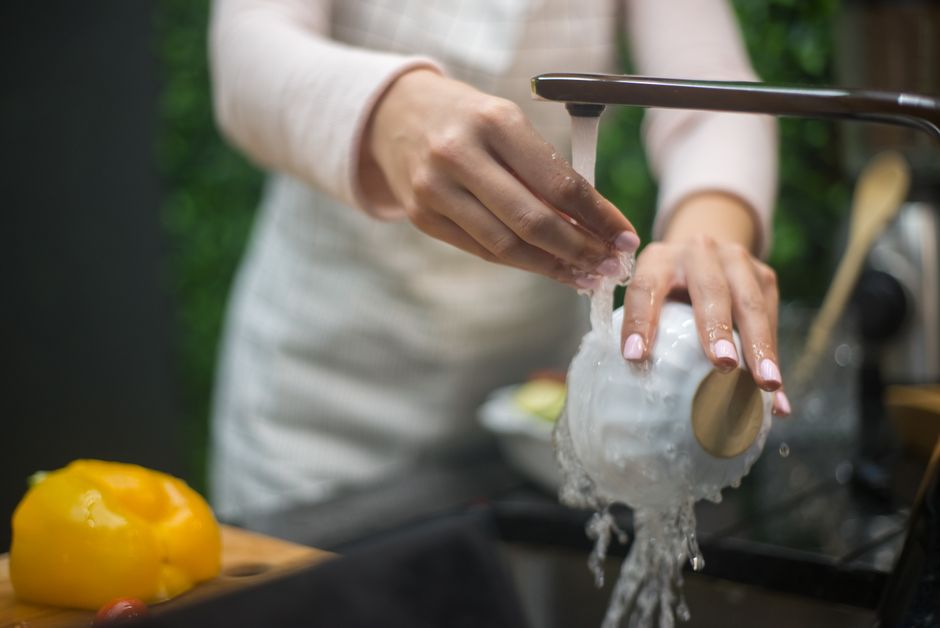
Step 3: Run cool water over the burn. Use cool — not ice-cold — running water for at least 10 to 20 minutes. Cool tap water is ideal. This stops the burning process and reduces pain. Do not use ice. Ice can cause further tissue damage and slow healing.
Step 4: Do not pop blisters. Blisters form as a natural protective barrier. Popping them increases infection risk and slows healing.
Step 5: Cover the burn loosely. After cooling, pat the area dry with a clean cloth. Apply a sterile, non-stick gauze pad or a clean cloth. Wrap it loosely so it does not press on the burn.
Step 6: Take over-the-counter pain relief if needed. Acetaminophen or ibuprofen can help manage pain. Follow the dosing instructions on the label.
Do not apply butter, oil, toothpaste, or any home remedy. These trap heat, introduce bacteria, and make the burn worse. This is one of the most common myths in burn care, and it has no medical support.
When To Seek Emergency Medical Care
Some grease burns require immediate professional treatment. Do not attempt to treat these at home.
Seek emergency care if the burn:
- Is larger than about 3 inches in diameter, roughly the size of the palm of your hand
- Is on the face, hands, feet, groin, or major joints
- Is deep, meaning it appears white, brown, or leathery
- Is a third-degree burn
- Is accompanied by signs of infection such as increasing pain, redness spreading outward, pus, or fever
- Is from an electrical source or chemical exposure
Children and older adults have thinner skin. A burn that might be minor in a healthy adult can be much more serious in a child or elderly person. If a child or older adult sustains any grease burn larger than a few inches, seek medical evaluation.
Burns on the face are particularly concerning because swelling can affect breathing. Burns on the hands and feet can damage tendons, nerves, and joints even when they look superficial at first.
Do not wait to see if a deep burn heals on its own. Deep burns require specialized care, sometimes including skin grafts. Early treatment improves outcomes significantly.



How To Clean and Dress a Minor Grease Burn
Once you have cooled the burn and confirmed it is minor, proper cleaning and dressing promote healing and prevent infection.
Wash your hands thoroughly before touching the burn. Gently clean the area with mild soap and lukewarm water. Do not scrub. Rinse well and pat dry with a clean towel.
Apply a thin layer of antibiotic ointment if you have it. This is not strictly required, but it keeps the area moist and reduces the chance of infection. Petroleum jelly is an acceptable alternative.
Cover the burn with a sterile, non-stick dressing. Change the dressing daily or whenever it becomes wet or dirty. Each time you change it, check for signs of infection.
Keep the burn moist while it heals. Dry burns crack and heal more slowly. A thin layer of petroleum jelly or a moisturizing burn cream helps keep the skin supple.
Minor first-degree burns typically heal within 3 to 6 days. Second-degree burns may take 2 to 3 weeks. Some discoloration of the skin is normal and may persist for months.
What Not To Do When Treating a Grease Burn
Many well-meaning home remedies do more harm than good. Some are actively dangerous.
Never use ice directly on a burn. Ice causes blood vessels to constrict, which reduces blood flow to the area and can increase tissue damage. It can also cause frostbite on top of the burn.
Never apply butter, oil, or ointments immediately after the burn. These trap heat in the skin and can introduce bacteria. They also make it harder for a doctor to assess the burn later.
Never pop blisters. Blisters are the body’s natural sterile dressing. Breaking them opens the wound to infection.
Never peel off loose skin. Let dead skin fall off naturally as the burn heals.
Never use adhesive bandages directly on the burn. The adhesive can stick to damaged skin and tear it when removed. Use non-stick gauze and medical tape on healthy skin around the burn.
Never ignore signs of infection. Increasing pain, spreading redness, warmth, swelling, or discharge all warrant medical attention.
How Long Does a Grease Burn Take To Heal?
Healing time depends on the burn’s depth and size. There is no single timeline that applies to all burns.
First-degree grease burns are red, painful, and dry. They typically heal within 3 to 6 days. The skin may peel as it heals, similar to a mild sunburn.
Second-degree burns blister and are more painful. Superficial second-degree burns usually heal within 2 to 3 weeks. Deeper second-degree burns may take longer and can leave scarring.
Third-degree burns require medical treatment and often surgery. Healing can take weeks to months, and skin grafts are frequently necessary.
During healing, the area may itch. This is normal and means new skin is forming. Keep the area moisturized and avoid scratching, which can damage new tissue.
If a burn shows no improvement within a week, or if pain worsens instead of improving, see a doctor.
How To Prevent Grease Burns in the Kitchen
Prevention is the most effective treatment. Most grease burns are avoidable with basic kitchen safety.
Turn pot handles toward the back of the stove so they cannot be knocked or grabbed by children. Use the back burners when possible.
Never leave hot oil unattended. Oil can reach its smoke point and ignite within minutes. If oil catches fire, do not use water — water causes the fire to spread violently. Cover the pan with a metal lid and turn off the heat.
Dry food thoroughly before adding it to hot oil. Water in wet food causes oil to splatter violently. This is a leading cause of grease burns.
Use a splatter guard when frying. These mesh screens fit over the pan and catch oil droplets while allowing steam to escape.
Wear long sleeves and use oven mitts when handling hot pans. Loose clothing can catch fire, so keep sleeves fitted or rolled up.
Keep children and pets away from the stove area while cooking. Establish a “no-kid zone” about 3 feet around the stove.
Keep a fire extinguisher in or near the kitchen. Know how to use it before an emergency happens.
Frequently Asked Questions
Should I put ice on a grease burn?
No. Ice can damage the tissue further and slow healing. Use cool running water for 10 to 20 minutes instead.
Can I put butter on a grease burn?
No. Butter traps heat, introduces bacteria, and increases infection risk. Use cool water and a sterile dressing.
When should I see a doctor for a grease burn?
See a doctor if the burn is larger than the palm of your hand, is on the face, hands, feet, or joints, or appears white, brown, or leathery.
How long does a grease burn take to heal?
First-degree burns usually heal in 3 to 6 days. Second-degree burns typically take 2 to 3 weeks. Deep burns require medical treatment and take much longer.
