
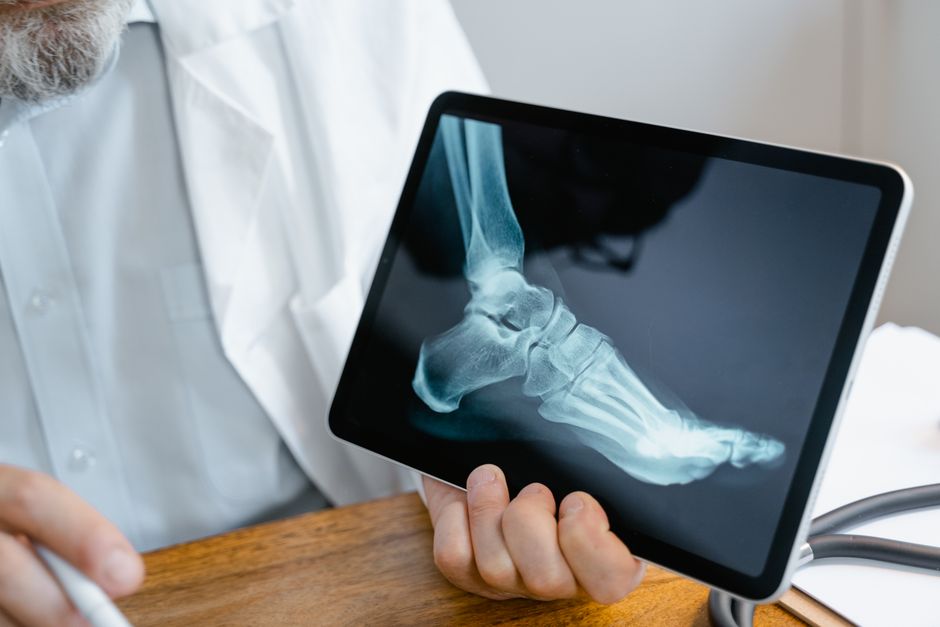
Bone is not a static structure. It is living tissue that is constantly being broken down and rebuilt. The breakdown process is called bone resorption, and it happens every day in every healthy person. The problem starts when resorption outpaces bone formation. When that happens, you lose bone mass faster than your body can replace it. The result is weaker, more porous bone over time.
What causes increased bone resorption? The most common root causes are hormonal changes (especially the drop in estrogen after menopause), chronic inflammation, certain medications like glucocorticoids, nutritional deficiencies in calcium and vitamin D, and age-related shifts in bone remodeling. In many cases, several of these factors overlap.
What Is Bone Resorption and Why Does It Happen?
Bone resorption is the process by which specialized cells called osteoclasts break down bone tissue and release its minerals into the bloodstream. This is not a malfunction. It is a normal, necessary part of bone remodeling.
Your skeleton undergoes a continuous cycle. Osteoclasts remove old or damaged bone. Then osteoblasts, another type of cell, build new bone in its place. In healthy adults, these two processes stay roughly balanced. Old bone gets replaced with new bone, and total bone mass stays stable.
Two things can go wrong. Either osteoclasts become too active, or osteoblasts become too slow. Often both happen at once. When bone removal consistently exceeds bone formation, bone density drops. Over years, this leads to osteopenia and eventually osteoporosis.
Bone remodeling serves several purposes. It repairs microscopic damage from daily wear. It releases calcium when blood levels run low. It also reshapes bone in response to mechanical stress. Without resorption, your skeleton could not maintain itself or regulate calcium.
The problem is not resorption itself. The problem is the balance tipping too far toward breakdown.
How Do Hormones Drive Increased Bone Resorption?
Hormones are the single most powerful regulators of bone resorption. When hormone levels shift, bone breakdown changes quickly and significantly.
Estrogen decline is the best-understood driver. Estrogen normally suppresses osteoclast activity. It also promotes osteoclast apoptosis, which means it helps these bone-removing cells die off at the right time. When estrogen drops, osteoclasts live longer and work harder. Bone resorption accelerates.
This is why menopause has such a large impact on bone health. During the years around and after menopause, women can lose bone density rapidly. Research consistently shows that the rate of bone loss increases sharply in the first few years after the final menstrual period. This is not a gradual decline. It is a measurable acceleration.
Other hormones matter too:
- Parathyroid hormone (PTH): When blood calcium drops, PTH rises and stimulates osteoclasts to release calcium from bone. Chronic PTH elevation, as seen in hyperparathyroidism, causes sustained bone loss.
- Calcitonin: This hormone inhibits osteoclasts. Its role in normal adult bone health is relatively minor compared to estrogen and PTH.
- Cortisol: Chronically high cortisol levels suppress bone formation and increase resorption. This is why long-term stress and Cushing’s syndrome both harm bone.
- Thyroid hormone: Excess thyroid hormone, whether from disease or overtreatment with thyroid medication, speeds up bone turnover and favors resorption.
Testosterone also plays a role in men. Testosterone deficiency is associated with increased bone resorption and lower bone density. This is one reason bone loss accelerates in older men, though typically later and more gradually than in women after menopause.
Which Medications and Medical Conditions Increase Bone Resorption?
Some of the most significant causes of increased bone resorption are not natural aging at all. They are medication effects or underlying diseases.
Glucocorticoids are the leading medication-related cause of bone loss. Drugs like prednisone and dexamethasone directly suppress osteoblast function and increase osteoclast survival. Bone loss from glucocorticoids can begin within the first few months of use and is most rapid in the first year. This effect occurs even at relatively low doses. It is a well-established clinical concern, and guidelines recommend monitoring bone health in anyone on long-term glucocorticoid therapy.
Other medications and conditions that increase resorption include:
- Excess thyroid medication: Taking more thyroid hormone than the body needs accelerates bone turnover.
- Aromatase inhibitors: Used in some breast cancer treatments, these drugs sharply reduce estrogen and increase bone loss.
- Proton pump inhibitors: Long-term use may impair calcium absorption, which can indirectly increase resorption. The evidence here is mixed and the effect size appears modest.
- Chronic inflammatory conditions: Rheumatoid arthritis, inflammatory bowel disease, and chronic infections raise levels of inflammatory cytokines like TNF-alpha and interleukin-6. These cytokines directly stimulate osteoclast formation and activity.
- Hyperparathyroidism: Overactive parathyroid glands cause sustained PTH elevation and ongoing bone breakdown.
- Chronic kidney disease: Disrupted calcium and phosphate regulation leads to secondary hyperparathyroidism and increased resorption.
- Type 1 diabetes: Associated with reduced bone formation and increased resorption, though the mechanisms are not fully understood.
Some of these conditions are common. Others are rare. What they share is a direct or indirect effect on the osteoclast-osteoblast balance.



How Do Nutrition and Lifestyle Affect Bone Resorption?
Nutrition and lifestyle influence bone resorption in ways that are real but often overstated by supplement marketing. The fundamentals matter. Most of the extras do not.
Calcium is the most direct nutritional factor. When dietary calcium is consistently low, blood calcium drops slightly. That triggers PTH release, which stimulates osteoclasts to pull calcium from bone. Over time, chronic low calcium intake contributes to bone loss. The effect is gradual and cumulative, not immediate.
Vitamin D is essential for calcium absorption in the gut. Without adequate vitamin D, even good calcium intake is inefficient. Vitamin D deficiency is common in older adults and in people with limited sun exposure. It is associated with increased PTH and increased bone resorption.
Protein plays a more nuanced role. Very low protein intake impairs bone formation. Adequate protein supports bone health, though the optimal amount for bone is still debated. Some older adults eat far less protein than they need.
Other lifestyle factors:
- Smoking: Directly toxic to osteoblasts and associated with increased resorption. The evidence for this is strong and consistent.
- Excessive alcohol: Chronic heavy drinking impairs bone formation and increases resorption.
- Physical inactivity: Bone responds to mechanical load. Without it, resorption increases relative to formation. This is why bed rest and immobility cause rapid bone loss.
- Low body weight: Associated with lower bone density and increased fracture risk, partly through hormonal mechanisms.
What about supplements marketed for bone health? Some contain nutrients with plausible mechanisms. But no large human trial has confirmed that most of these products reduce fractures or meaningfully slow resorption on their own. Calcium and vitamin D have the strongest evidence base. Beyond those, the evidence is limited.
How Does Aging Change Bone Remodeling?
Aging shifts the bone remodeling balance in a predictable direction. Resorption increases relative to formation. This happens for several reasons at once.
Osteoblast function declines with age. The cells that build bone become less responsive to signals that normally trigger new bone formation. At the same time, osteoclast activity does not decline at the same rate. The result is a widening gap between breakdown and buildup.
Several age-related changes contribute:
- Reduced estrogen and testosterone production
- Mild but chronic increases in PTH, partly due to declining kidney function and lower vitamin D activation
- Low-grade chronic inflammation, sometimes called inflammaging, which stimulates osteoclasts
- Reduced physical activity and mechanical loading on bone
- Decreased intestinal calcium absorption efficiency
This does not mean bone loss is inevitable at a specific rate. It means the biological tilt favors resorption more with each decade. How much bone you actually lose depends on genetics, hormones, nutrition, activity, medications, and other health conditions. Two people the same age can have very different bone densities.
Peak bone mass is reached in the late 20s to early 30s. After that, bone mass tends to decline slowly in both men and women, with a sharper decline in women around menopause. The rate of loss varies widely.
What Are the Signs That Bone Resorption Is Too High?
Increased bone resorption has no symptoms on its own. You cannot feel your osteoclasts working. Bone loss is silent until it causes a fracture or shows up on a bone density scan.
This is why osteoporosis is sometimes called a silent disease. A person can lose significant bone mass over years without any warning signs. The first indication is often a fracture from a fall that would not have broken a healthier bone, or a vertebral compression fracture that causes back pain and height loss.
Doctors assess bone resorption indirectly through bone mineral density testing, usually with DXA scans. They may also order blood or urine tests that measure bone turnover markers. These markers can indicate whether resorption is elevated, but they are not used alone to diagnose osteoporosis. They are most useful for monitoring response to treatment.
Risk factors that warrant a conversation with a doctor about bone health include:
- Postmenopausal status, especially early menopause
- Long-term glucocorticoid use
- Previous fragility fracture
- Family history of osteoporosis or hip fracture
- Low body weight or significant weight loss
- Smoking or heavy alcohol use
- Conditions that affect calcium or hormone regulation
If you have several of these risk factors, bone density testing may be appropriate. The decision about when to test and what to do with the results is one to make with a clinician who knows your full health picture.
Frequently Asked Questions
What is the main cause of increased bone resorption?
Estrogen decline after menopause is the most common single cause in women. In men and in both sexes at older ages, age-related changes in hormone levels, inflammation, and bone cell function are the primary drivers.
Can increased bone resorption be reversed?
Resorption can be reduced with treatment, and some medications slow or stop bone loss. Whether lost bone can be rebuilt depends on the cause, the treatment, and how much bone was lost. Some treatments can increase bone density, but the response varies.
Does everyone get increased bone resorption with age?
Bone resorption tends to increase relative to formation with age in most people, but the rate varies widely. Genetics, hormones, nutrition, activity level, and medications all influence how much bone loss occurs.
What blood tests show increased bone resorption?
Bone turnover markers in blood or urine can indicate elevated resorption. These include CTX and NTX, among others. They are used mainly for monitoring, not as standalone diagnostic tests for osteoporosis.
