
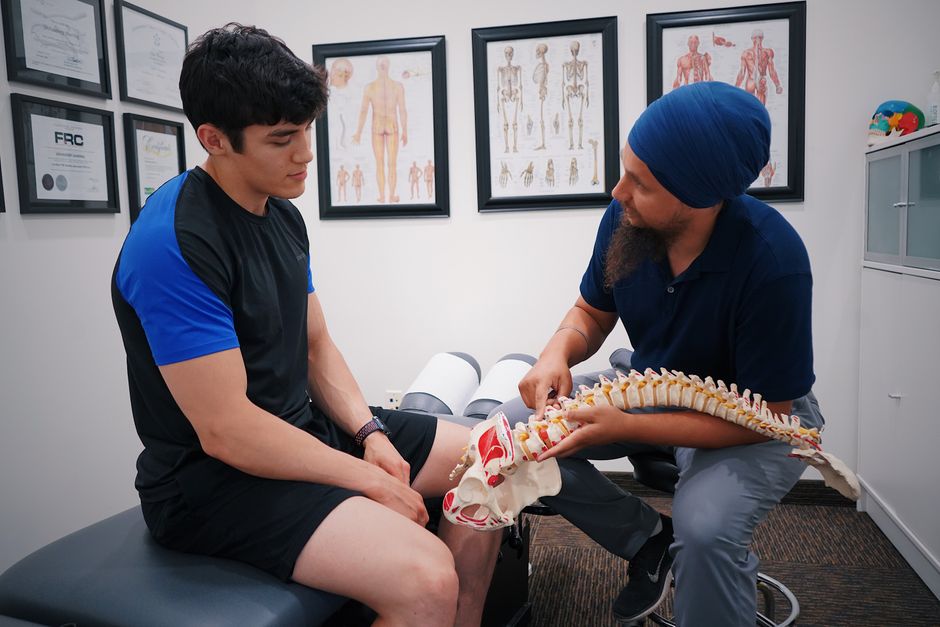
Bone-on-bone hip pain means the cartilage that normally cushions your hip joint has worn away. Without that cushion, the head of the thigh bone rubs directly against the hip socket. This causes pain, stiffness, and reduced mobility. Relief exists, but it depends on matching the treatment to the stage of your condition. What works most consistently is a combination of targeted exercise, weight management, activity modification, and — when pain persists — medical treatments that range from injections to joint replacement surgery.
What Does Bone-On-Bone Hip Pain Actually Mean?
Your hip is a ball-and-socket joint. The ball is the head of the femur, and the socket is part of your pelvis. A smooth layer of cartilage covers both surfaces. This cartilage allows your bones to glide past each other almost without friction.
When doctors say “bone-on-bone,” they mean that cartilage has worn away completely in some areas. X-rays show the joint space has narrowed dramatically. In severe cases, the gap nearly disappears. The bones themselves are now making contact.
This is end-stage osteoarthritis. It is not reversible. No supplement, injection, or exercise can regrow that cartilage. What treatment can do is reduce pain, improve function, and delay or replace the need for surgery.
How To Relieve Bone On Bone Hip Pain What Works?
The most effective approach combines several strategies. No single treatment works for everyone, but the evidence is strongest for a few specific methods.
Exercise is the foundation. Strengthening the muscles around the hip — especially the glutes and core — reduces the load transmitted through the joint itself. Stronger muscles act as shock absorbers. A physical therapist can design a program that avoids painful ranges of motion while building strength.
Weight loss matters more than most people realize. The hip bears a significant portion of your body weight with every step. Research consistently shows that losing even a modest amount of weight reduces hip pain and improves function. Every pound lost means less force through the joint.
Activity modification does not mean stopping movement. It means choosing activities that do not pound the joint. Walking on flat ground, swimming, and cycling are generally well tolerated. High-impact activities like running and jumping tend to worsen symptoms.
Pain medication can help you stay active. Acetaminophen and nonsteroidal anti-inflammatory drugs (NSAIDs) like ibuprofen and naproxen are commonly used. These do not change the underlying condition, but they can make exercise bearable. Long-term NSAID use requires medical supervision due to risks to the stomach and kidneys.
Do Hip Injections Really Help?
Corticosteroid injections are the most established injection treatment for osteoarthritis. A doctor injects a strong anti-inflammatory medication directly into the joint. The effect can last weeks to months. Many people get significant pain relief that allows them to participate in physical therapy.
These injections are not a cure. They do not repair cartilage. They also do not work for everyone. Some people get no benefit at all. Injections can be repeated, but most clinicians limit how often due to concerns about further joint damage.
Viscosupplementation — injecting hyaluronic acid into the joint — is more controversial. The idea is that this gel-like substance restores some of the joint’s natural lubrication. Some studies show modest pain relief. Others show no benefit over placebo. Many insurance plans do not cover it for hip osteoarthritis. The evidence is mixed, and you should discuss the uncertainty with your doctor.
Platelet-rich plasma (PRP) injections have gained popularity. PRP uses a concentration of your own blood platelets injected into the joint. Some early research suggested benefit, but larger, well-controlled trials have not consistently confirmed this. No clinical evidence currently confirms that PRP repairs cartilage or provides reliable long-term relief for bone-on-bone hips.





What About Supplements and Natural Remedies?
Glucosamine and chondroitin are the most studied supplements for osteoarthritis. The evidence is frustrating. Some trials show modest pain relief. Others show no difference from placebo. The largest independent trial found no meaningful benefit for most people. If you try them, give them a fair trial of several months. If you notice no difference, they are unlikely to help you.
Turmeric and curcumin supplements have shown anti-inflammatory effects in some studies. The quality of evidence is moderate at best. Some people report pain reduction. The effect, when present, appears small.
Heat and cold therapy are simple and safe. Heat relaxes muscles and increases blood flow. Cold reduces inflammation and numbs pain. Neither changes the joint itself, but both can provide temporary relief.
Be skeptical of any product claiming to “rebuild cartilage” or “reverse arthritis.” No supplement has been proven to do this. If a product sounds too good to be true, it almost certainly is.
When Is Surgery the Right Choice?
Total hip replacement is the definitive treatment for bone-on-bone hip pain. It is one of the most successful operations in all of medicine. The surgeon removes the damaged bone ends and replaces them with artificial components — typically metal, ceramic, and plastic.
Surgery is not the first option. Most surgeons recommend it only when conservative treatments have failed and pain significantly interferes with daily life. Common signs that surgery may be appropriate include:
- Pain that prevents you from sleeping
- Difficulty with basic activities like walking or getting out of a chair
- Pain that limits your ability to work or care for yourself
- Quality of life that has declined despite other treatments
Hip replacement outcomes are generally excellent. Most people experience dramatic pain relief and improved mobility. Recovery takes time — typically several months — but the vast majority of patients are satisfied with the result.
Age is not the main factor in deciding when to operate. More important is the severity of your symptoms and how much they affect your life. Some people in their 40s and 50s choose surgery because their pain is unmanageable. Others in their 80s and 90s do well with surgery too.
Assistive Devices and Daily Life Adjustments
A cane can reduce the load on your hip. Used on the opposite side of your painful hip, a cane shifts weight away from the affected joint. This can significantly reduce pain during walking. A physical therapist or occupational therapist can help you choose the right cane height and walking technique.
Simple home adjustments can make daily life easier. A raised toilet seat reduces the strain of sitting and standing. A shower chair makes bathing safer and more comfortable. Long-handled reachers help you pick things up without bending deeply.
Sleep position matters. Many people with hip pain sleep better with a pillow between their knees. This keeps the hip in a more neutral position and reduces pressure on the joint.
These adjustments do not treat the underlying problem. They reduce the everyday friction that makes bone-on-bone pain worse.
What Does the Research Actually Show?
Exercise therapy has the strongest evidence base for hip osteoarthritis. Multiple clinical trials and systematic reviews have found that exercise reduces pain and improves function. The effect is moderate but consistent. The challenge is adherence — you have to keep doing the exercises for the benefit to continue.
Weight loss research is also compelling. Studies show that people with hip osteoarthritis who lose weight report less pain and better mobility. The combination of exercise and weight loss appears more effective than either alone.
For pain medications, the evidence is solid but limited. NSAIDs work better than placebo for hip osteoarthritis pain. They do not work for everyone, and their long-term use carries real risks.
No high-quality study has shown that any supplement, injection, or alternative therapy can stop or reverse cartilage loss in bone-on-bone hips. The honest position is that these treatments may help some people manage symptoms, but the evidence for most is limited.
Why Early Intervention Matters
Bone-on-bone hip pain does not develop suddenly. It progresses over years. The earlier you address it, the more options you have.
In earlier stages of osteoarthritis, exercise, weight management, and activity modification can slow the progression of symptoms. Stronger muscles protect the joint. Less weight means less force through the joint. These habits matter even before you feel significant pain.
Once the joint is truly bone-on-bone, the structural damage is done. At that point, treatment focuses on symptom management. The habits that help earlier — exercise, weight control, activity modification — still help. But they cannot reverse the damage.
If you have been avoiding treatment because you fear surgery, know that most people who eventually need surgery are glad they did it. And if you are not ready for surgery, that is a reasonable decision too. The goal is to find the combination of treatments that keeps you moving and functioning at a level you can live with.
Frequently Asked Questions
Can bone-on-bone hip pain go away without surgery?
No, the structural damage is permanent, but pain can be managed without surgery for years through exercise, weight management, medications, and activity modification. Surgery remains the only treatment that removes the source of the pain completely.
Is walking good for bone-on-bone hip pain?
Yes, walking on flat surfaces is generally beneficial because it keeps the joint moving and strengthens supporting muscles. Avoid walking on uneven terrain or for very long distances if it causes significant pain.
What is the best sleeping position for hip pain?
Sleeping on your back with a pillow under your knees or on your side with a pillow between your knees are the most comfortable positions. These positions keep the hip in a neutral alignment and reduce pressure on the joint.
How long does a hip replacement last?
Modern hip replacements typically last 15 to 25 years or longer with modern materials and surgical techniques. The actual lifespan depends on your age, activity level, weight, and the specific implant used.
