
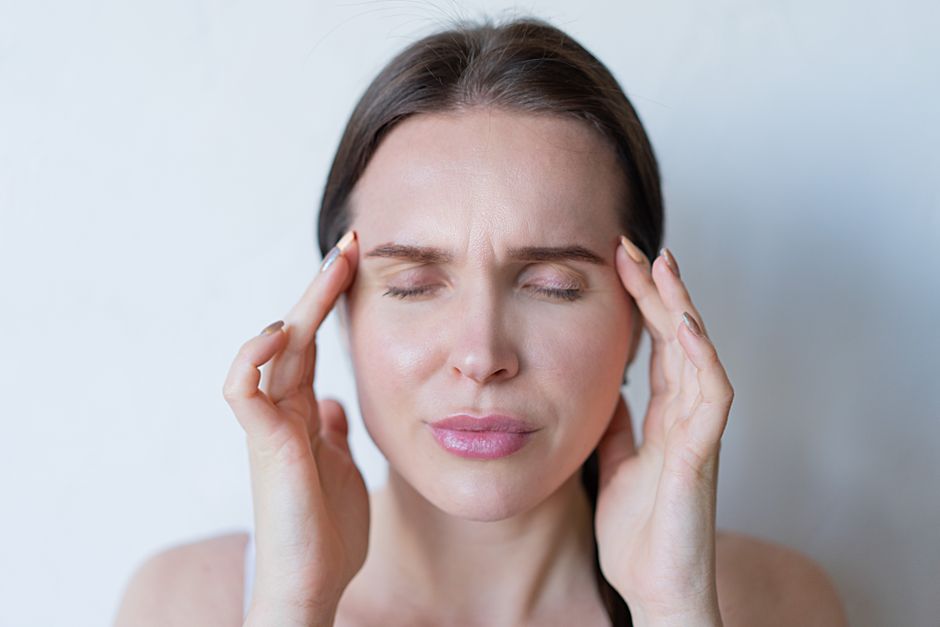
An ice pick headache is a sudden, stabbing pain that hits one spot on your head and usually disappears within seconds. Doctors call it primary stabbing headache, and it happens when pain signals fire briefly in the nerve branches that supply the scalp and face. The pain is real, the cause is usually not dangerous, and treatment focuses on reducing how often the stabs occur.
What Causes Ice Pick Headaches?
The short answer is that no one knows the exact cause. What researchers do understand is the general mechanism: brief, spontaneous firing in the nerves that carry sensation from the scalp and face to the brain.
The trigeminal nerve and the upper cervical nerves supply most of the head and face. In primary stabbing headache, these nerves appear to send short bursts of pain signals without any obvious trigger from injury, infection, or structural problem. The episodes last seconds, which is one reason researchers think the mechanism is different from migraine, where pain typically builds and lingers.
There is an important distinction between two situations:
- Primary stabbing headache — the stabbing is itself the condition. No underlying disease is causing it.
- Secondary stabbing headache — the stabbing is a symptom of something else, such as a nerve problem, a structural issue, or another headache disorder.
Most people who get these stabs have the primary form. That is why a proper diagnosis matters. A clinician needs to rule out the secondary causes before calling it primary. This is not something to self-diagnose from a search result.
What Does an Ice Pick Headache Feel Like?
The pain is typically described as a single stab, like a needle or an ice pick, in one small area. It lasts a few seconds at most, then vanishes completely. Some people feel a dull ache briefly afterward.
The location varies. Common spots include the eye, temple, and the area around the ear. The stabs can happen once a day or many times a day. They may cluster in bouts that last days or weeks, then disappear for months.
Two features help distinguish it from other headaches:
- The pain is very brief — seconds, not minutes or hours.
- The pain is focused in one small spot, not spread across one side of the head.
Migraine and cluster headache behave differently. Migraine attacks usually last hours and come with nausea, light sensitivity, or visual changes. Cluster headaches cause severe pain around one eye that lasts 15 minutes to three hours, often with tearing or a drooping eyelid. A stabbing headache that lasts seconds and stops is a different pattern.
What Triggers an Ice Pick Headache?
For most people, there is no clear trigger. The stabs seem to arrive on their own. That is one reason the condition is frustrating — you cannot easily predict or prevent an episode by avoiding a specific cause.
Some people notice patterns. Reported associations include stress, fatigue, and skipped meals. These are common across many headache types, so it is hard to say whether they truly trigger stabbing headaches or simply happen alongside them.
One non-obvious point: the sudden, jolting quality of the pain can make people assume something serious is happening, like a blood vessel problem. In primary stabbing headache, the brief duration is actually reassuring. Dangerous headaches tend to build, persist, or come with other symptoms. A stab that lasts two seconds and leaves you feeling normal is a different picture.
That said, a headache that is new, different from your usual pattern, or accompanied by other symptoms should be evaluated. Do not assume it is harmless just because it is brief.




How Is an Ice Pick Headache Diagnosed?
There is no blood test or scan that confirms primary stabbing headache. It is diagnosed by pattern — how the pain behaves over time — after other causes are ruled out.
A clinician will ask about the location, duration, and frequency of the stabs. They will ask about other headache types, recent injuries, and any neurological symptoms. A neurological exam checks for signs that something else is going on.
Imaging is not routine for a typical case. If the stabs are new, unusual, or come with red-flag features, a doctor may order an MRI or other tests. Red flags include:
- A sudden severe headache that peaks in seconds and feels like the worst of your life
- Fever, stiff neck, or rash
- Weakness, numbness, confusion, or trouble speaking
- A headache that keeps getting worse over days or weeks
- A headache that starts after a head injury
These features point toward something other than primary stabbing headache and need prompt medical attention.
How Are Ice Pick Headaches Treated?
Treatment depends on how much the stabs interfere with daily life. Many people need no treatment because the episodes are brief and infrequent. When the stabs are frequent or distressing, doctors may consider medication.
Because each stab lasts only seconds, a painkiller taken after the pain starts is usually useless — the pain is gone before the drug can work. Treatment therefore aims at prevention rather than stopping an individual stab.
Medications that have been used for prevention include certain anti-inflammatory drugs and some drugs also used for other headache types. The evidence base here is limited. These treatments are used in clinical practice, but large controlled trials specifically for primary stabbing headache are scarce. That means a doctor’s recommendation is often based on experience and on how well the treatment works for related headache conditions, not on strong trial data for this exact diagnosis.
This is worth being honest about: no medication is proven to eliminate primary stabbing headache in every person. Some people respond well, some do not, and some improve over time without any treatment.
Can You Prevent Ice Pick Headaches?
There is no proven way to prevent primary stabbing headache. Because the cause is not well understood, there is no specific trigger to avoid or habit to change that reliably stops the stabs.
General headache hygiene may help some people feel better overall, even if it does not target the stabs directly:
- Keep a steady sleep schedule
- Eat regular meals
- Stay hydrated
- Manage stress where you can
- Limit alcohol and caffeine if you notice a pattern
These steps are reasonable and low-risk. They are not proven to prevent stabbing headaches specifically. If you notice a personal pattern, tracking it in a headache diary can give your doctor useful information.
When Should You See a Doctor?
See a doctor if the headaches are new, if they are getting more frequent, or if the pattern changes. Also seek care if a stab is followed by other symptoms or if you are unsure what you are experiencing.
Go to emergency care immediately for a sudden severe headache that reaches maximum intensity within seconds, especially if it comes with a stiff neck, vomiting, confusion, weakness, or vision changes. That combination can signal a serious problem and should never be watched at home.
For a stab that lasts a second or two, leaves you feeling normal, and fits a pattern you have had before, a routine appointment is reasonable. Your doctor can confirm the diagnosis and discuss whether any treatment is worth trying.
Frequently Asked Questions
Are ice pick headaches dangerous?
Primary stabbing headache is not considered dangerous when it fits the typical pattern of brief stabs with no other symptoms. A new or different severe headache with additional symptoms needs urgent evaluation.
How long do ice pick headaches last?
Each stab typically lasts only a few seconds, though the episodes can recur many times a day. The bouts may come and go over days or weeks.
What is the best treatment for ice pick headaches?
Many people need no treatment because the stabs are brief and infrequent. When treatment is used, it focuses on prevention, and the evidence for specific medications in this condition is limited.
Can ice pick headaches be a sign of something serious?
Usually not, especially when they are brief and you feel normal afterward. A sudden severe headache with a stiff neck, confusion, or weakness is a different situation and requires emergency care.
