

GHB is addictive, and the dependence it produces can be severe. It is a central nervous system depressant that the body adapts to quickly, especially when it is used frequently or in high doses. That adaptation leads to tolerance, a withdrawal syndrome that can become dangerous without medical care, and a treatment path that usually begins with supervised detoxification followed by longer-term behavioral support.
People often assume GHB is a “party drug” with limited risk because it clears the body fast. That fast clearance is exactly what makes repeated use so problematic. The drug leaves the system within hours, which drives frequent redosing and accelerates dependence in some users.
What Is GHB and How Does It Affect the Brain?
GHB stands for gamma-hydroxybutyrate. It is a depressant that slows activity in the central nervous system. The drug exists in several forms, including a prescription medication called sodium oxybate used to treat a specific sleep disorder, and illegal forms sold as liquid, powder, or capsules.
GHB affects the brain mainly through two pathways. It binds to its own receptor sites and also acts on GABA-B receptors, the same target influenced by certain sedative medications. This dual action explains why GHB can cause relaxation and euphoria at lower doses and deep sedation, slowed breathing, and loss of consciousness at higher ones.
One detail that separates GHB from many other drugs is how narrow the gap is between a dose that produces the desired effect and a dose that causes serious harm. Small differences in amount, body weight, and whether someone has eaten can shift the outcome significantly. This is a large part of why GHB overdose is a recurring emergency room event.
The drug is also eliminated from the body relatively quickly compared with many substances. That short duration means effects fade within a few hours, which encourages repeated dosing. Repeated dosing is the pattern most closely tied to dependence.
Is GHB Addictive?
Yes. GHB is addictive, and physical dependence can develop with regular use. Dependence means the brain and body have adjusted to the drug’s presence and now function abnormally without it.
Two features make GHB dependence particularly concerning:
- Rapid tolerance. Users often need more of the drug to get the same effect within a short period.
- Frequent dosing. Because effects wear off in a few hours, some users dose around the clock, including through the night.
This round-the-clock pattern is common among people who become dependent. It is also what makes withdrawal so intense. When someone is dosing every few hours, the nervous system is under near-constant suppression, and removing the drug abruptly can cause a rebound in brain activity.
Not everyone who uses GHB becomes dependent. Frequency, dose, and duration of use all matter. But the drug’s pharmacology makes the slide from recreational use to dependence faster than many people expect.
How Does Tolerance to GHB Develop?
Tolerance develops when the brain compensates for the drug’s depressant effects. With repeated exposure, the nervous system adjusts its baseline activity upward to counteract sedation. The result is that the same dose produces less effect, and more is needed to feel anything at all.
GHB tolerance can build quickly. Some users report needing noticeably larger doses within days to weeks of consistent use, though individual experiences vary widely. The speed depends on how often someone uses, how much they take, and their own biology.
Tolerance is not just an inconvenience. It is a warning sign. As doses climb, the risk of overdose rises because the margin between an effective dose and a dangerous one is so small. Someone chasing the original effect may take an amount that suppresses breathing or causes unconsciousness.
Cross-tolerance is also a factor. People dependent on GHB may show altered responses to other depressants, including alcohol and certain sedatives. This can make combined use especially unpredictable.



What Does GHB Withdrawal Look Like?
GHB withdrawal is a medical emergency in serious cases. It can progress rapidly and, in severe instances, become life-threatening. This is not a withdrawal syndrome people should attempt to manage alone at home.
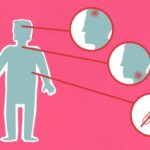
Symptoms typically begin within hours of the last dose, often sooner than with many other drugs because GHB clears the body quickly. Early signs include:
- Anxiety and agitation
- Insomnia and restlessness
- Tremor and sweating
- Racing heart
- Nausea
As withdrawal progresses, more serious symptoms can appear:
- Confusion and disorientation
- Hallucinations
- Severe agitation
- Seizures
- Delirium
The most dangerous stage is sometimes called GHB withdrawal delirium. It involves intense confusion, hallucinations, and unstable vital signs. Without proper medical treatment, it can be fatal.
A key point that surprises many people: GHB withdrawal can worsen over the first day or two rather than peaking immediately. Symptoms may intensify before they improve. This pattern is one reason close monitoring in a medical setting matters so much.
Anyone who has been using GHB heavily and frequently should not stop abruptly without medical supervision. The risk of seizures and delirium is real and can escalate quickly.
How Is GHB Withdrawal Treated?
GHB withdrawal is treated in a hospital or supervised medical setting. There is no single antidote that reverses the syndrome. Instead, treatment focuses on controlling symptoms and keeping the person safe while the nervous system stabilizes.
Clinicians commonly use sedative medications, often benzodiazepines, to calm the overactive nervous system and reduce the risk of seizures and severe agitation. In some cases, other medications are added when symptoms are hard to control. The specific approach depends on how severe the withdrawal is and how the person responds.
Supportive care is also essential. This can include:
- Monitoring heart rate, blood pressure, and breathing
- Fluids and electrolytes
- Preventing injury during confusion or seizures
- Close observation for worsening symptoms
Because GHB withdrawal can be prolonged and unpredictable, some patients need care for several days. The timeline varies. Some people stabilize relatively quickly; others have a more extended course with lingering anxiety and sleep problems.
No clinical guidelines currently exist that give a single fixed protocol for every case. Treatment is individualized. This is one reason it should be handled by clinicians familiar with the condition rather than managed at home.
What Does Long-Term Treatment for GHB Dependence Involve?
Getting through withdrawal is the first step, not the whole treatment. Long-term recovery usually involves behavioral therapy, support groups, and addressing the reasons someone used the drug in the first place.
Cognitive behavioral therapy is often used to help people recognize triggers, build coping skills, and reduce the chance of returning to use. Some treatment programs also address co-occurring conditions like depression, anxiety, or other substance use, which are common alongside GHB dependence.
Medication options for maintaining abstinence from GHB are limited. Unlike opioid use disorder, where several medications have strong evidence behind them, GHB dependence does not have a well-established medication approved specifically for long-term relapse prevention. Some clinicians use medications off-label, but the evidence base is not as strong.
Relapse is a genuine risk, particularly in the period right after detox. The brain’s chemistry takes time to rebalance, and cravings or low mood can persist. Structured support during this window can make a meaningful difference.
It is also worth being honest about what the evidence does and does not show. Research on GHB dependence treatment is far less extensive than research on alcohol or opioid dependence. Much of what clinicians do is based on general principles of addiction medicine and on managing the specific dangers of this drug, rather than on large trials comparing one approach to another.
Why Is GHB So Dangerous Compared With Other Drugs?
Several features combine to make GHB especially risky.
First, the dose-response curve is steep. A small increase in amount can move someone from feeling relaxed to being unconscious or not breathing adequately. This is different from drugs where the gap between effect and danger is wider.
Second, the drug is often made illegally, so potency is unpredictable. A batch may be stronger or weaker than expected, and users have no reliable way to know what they are taking. This unpredictability contributes to overdoses.
Third, GHB is sometimes used to facilitate sexual assault because it can cause rapid sedation and memory loss, and it is hard to detect. This adds a public safety dimension beyond personal addiction risk.
Fourth, combining GHB with alcohol or other depressants sharply increases the danger. The combined effect on breathing and consciousness can be far greater than either substance alone.
These factors mean that even people who do not consider themselves “addicted” can end up in a medical emergency. The line between recreational use and a life-threatening event can be very thin.
When Should Someone Seek Help?
Anyone who is using GHB regularly, needs more of it to feel the same effect, or feels unable to stop should seek professional help. These are signs of developing dependence, and early intervention is safer than waiting.
If someone is in withdrawal or showing signs like confusion, hallucinations, seizures, or severe agitation, this is a medical emergency. Call 911 or go to an emergency room immediately. Do not try to manage it at home.
For people worried about their own use, a primary care doctor or an addiction medicine specialist can be a starting point. Being honest about how much and how often is important, because the risk of withdrawal depends heavily on the pattern of use.
The most important message is that GHB dependence is treatable, but the withdrawal phase carries real danger. Medical supervision is not optional for heavy users. It is the difference between a manageable process and a potentially fatal one.
Frequently Asked Questions
Is GHB physically addictive?
Yes, GHB can cause physical dependence with regular use, meaning the body adapts to the drug and reacts badly when it is stopped. Dependence tends to develop faster with frequent or high-dose use.
How long does GHB withdrawal last?
Withdrawal usually begins within hours of the last dose and can last several days, with symptoms sometimes worsening before they improve. The exact timeline varies by person and by how heavily they were using.
Can you die from GHB withdrawal?
Yes, severe GHB withdrawal can be life-threatening, particularly when it causes seizures, delirium, or unstable vital signs. This is why heavy users should not stop abruptly without medical supervision.
Is there medication to treat GHB addiction?
There is no medication approved specifically for long-term GHB dependence, though sedatives are used to manage withdrawal symptoms in a medical setting. Long-term treatment mainly relies on behavioral therapy and support programs.
