
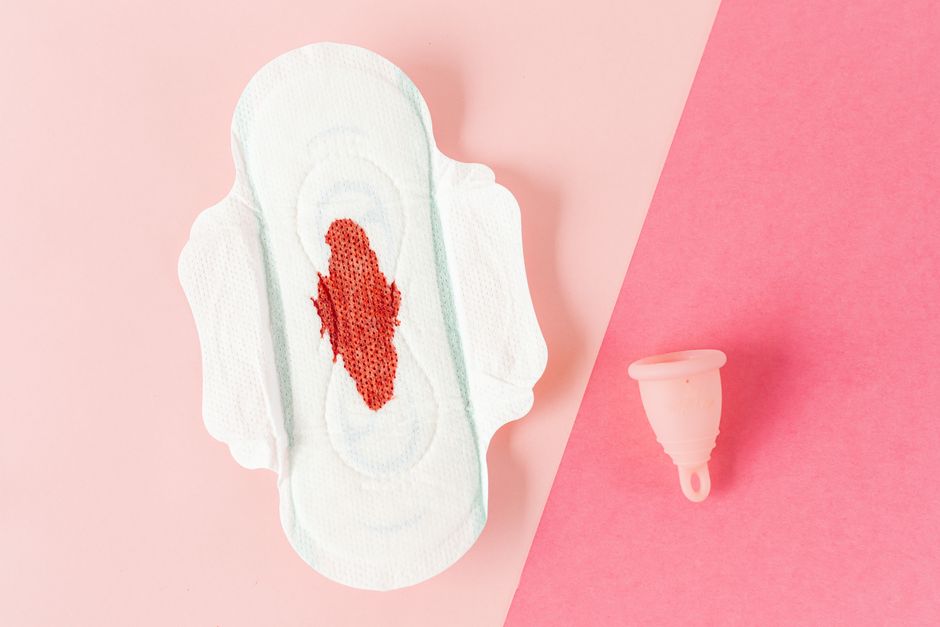
An irregular period is any menstrual cycle that falls outside the typical range for how often it comes, how long it lasts, or how heavy the bleeding is. Doctors often use a cycle shorter than 21 days or longer than 35 days, bleeding that lasts more than about 7 days, or heavy flow as signs worth checking. Causes range from normal hormonal shifts to thyroid problems, polycystic ovary syndrome, and stress, and treatment depends on what is driving the change.
What Counts as an Irregular Period?
A menstrual cycle is counted from the first day of one period to the first day of the next. For most adults, that cycle runs 21 to 35 days. Bleeding usually lasts 2 to 7 days.
Anything outside those ranges can be called irregular. That includes cycles that are too short, too long, or that vary a lot from month to month. It also includes bleeding between periods, bleeding after sex, and periods that suddenly become much heavier or lighter than usual.
There is one normal exception. In the first few years after a girl starts her period, cycles are often irregular because the hormone system that controls them is still maturing. Cycles also commonly change during perimenopause, the years leading up to menopause, when shifting hormone levels make timing less predictable.
One point that surprises many people: a “normal” cycle is not the same for everyone, and it does not have to be exactly 28 days. A steady 32-day cycle can be perfectly healthy for one person. What matters more is whether your pattern has changed for you, or whether it falls well outside the usual range.
What Are the Signs of an Irregular Period?
Signs are usually about timing, duration, and amount of bleeding rather than pain alone. Tracking your cycle for a few months makes any pattern much easier to see.
- Cycles shorter than 21 days or longer than 35 days
- Bleeding that lasts more than 7 days
- Flow heavy enough to soak through a pad or tampon every hour for several hours
- Bleeding or spotting between periods
- Cycles that vary widely in length from month to month
- Periods that stop for 90 days or more in someone who is not pregnant
Heavy bleeding deserves attention on its own. Losing a lot of blood over time can lead to iron deficiency anemia, which causes fatigue, shortness of breath, and pale skin. If you are soaking through protection quickly or passing large clots, that is a reason to see a doctor.
Missing periods for three months or more in someone who is not pregnant is called amenorrhea. It is not a disease by itself. It is a signal that something in the hormone system, or sometimes another body system, needs a look.
What Causes an Irregular Period?
Causes fall into a few broad groups: hormone problems, structural issues in the uterus, lifestyle factors, and certain medical conditions. Finding the cause is what guides treatment.
Common causes include:
- Polycystic ovary syndrome (PCOS). A hormonal condition that can cause irregular or missed periods, along with acne or extra hair growth.
- Thyroid problems. Both an underactive and an overactive thyroid can disrupt cycle timing.
- High prolactin levels. A hormone that can suppress normal cycling when elevated.
- Perimenopause. The natural transition years before menopause.
- Stress, major weight loss, or intense exercise. These can affect the hormone signals that drive ovulation.
- Uterine fibroids or polyps. Growths in the uterus that can cause heavy or prolonged bleeding.
- Bleeding disorders. Conditions that affect how blood clots can cause heavy periods.
- Medications. Some, including certain hormonal and psychiatric drugs, can affect cycles.
The mechanism behind most irregular cycles comes down to ovulation. The menstrual cycle depends on a precise back-and-forth of hormones between the brain and the ovaries. When ovulation does not happen on schedule, or does not happen at all, the lining of the uterus builds up and then sheds in an unpredictable way. That is why so many different causes — from stress to thyroid disease — end up producing the same symptom: an irregular period.
Structural causes like fibroids work differently. They do not usually change cycle timing, but they can make bleeding heavier or longer, because they affect how the uterine lining sheds.
When Should You See a Doctor?
See a doctor if your periods have changed in a way that concerns you, or if you have any of the red-flag signs below. You do not need to wait for a set number of months.
- Bleeding between periods or after sex
- Soaking through a pad or tampon every hour for several hours
- Bleeding that lasts more than 7 days
- No period for 90 days or more when you are not pregnant
- Severe pain with your period
- Signs of anemia, such as unusual fatigue or shortness of breath
- Bleeding after menopause
Bleeding after menopause is always a reason to be evaluated. It is not a normal part of aging and should be checked promptly.
If you are trying to get pregnant, irregular cycles are worth discussing early. Irregular ovulation can make it harder to time conception, and identifying the cause can open up options.
How Is an Irregular Period Diagnosed?
Diagnosis starts with a detailed history and a physical exam. Your doctor will ask about cycle timing, flow, pain, medications, weight changes, and stress. Keeping a written or app-based record of your cycles beforehand helps a lot.
Common tests include:
- A pregnancy test, since pregnancy is a common cause of a missed period
- Blood tests for thyroid function, prolactin, and other hormones
- Blood tests to check for anemia and, in some cases, bleeding disorders
- A pelvic ultrasound to look for fibroids, polyps, or ovarian changes
- In some cases, an endometrial biopsy to sample the uterine lining
There is no single test that diagnoses an irregular period. The goal is to find the underlying cause, because that is what determines the right treatment. Sometimes no clear cause is found, and the focus shifts to managing symptoms and protecting against complications.
How Is an Irregular Period Treated?
Treatment targets the cause. There is no one treatment that fits everyone, and what works depends on whether you want to get pregnant, your age, and what the tests show.
Options your doctor may consider include:
- Hormonal birth control. Pills, patches, rings, or hormonal IUDs can regulate cycles and reduce heavy bleeding. This is a common approach when pregnancy is not the goal.
- Treating an underlying condition. Thyroid medication for thyroid disease, or specific drugs for high prolactin, can restore normal cycling.
- Medications for heavy bleeding. Non-hormonal options such as tranexamic acid, or anti-inflammatory drugs, are sometimes used to reduce flow.
- Surgery. Fibroids or polyps that cause heavy bleeding can sometimes be removed.
- Lifestyle changes. When stress, extreme exercise, or significant weight change is the cause, addressing those factors can help cycles return.
If you have PCOS and want to conceive, treatment may focus on inducing ovulation. This is a different goal than simply regulating a cycle, and it changes which options make sense.
One clarification worth making: “regulating” a period with birth control does not fix the underlying cause. It manages the symptom by controlling the cycle artificially. That is often a reasonable choice, but it is worth knowing the difference. If the goal is to restore natural ovulation or treat a specific condition, that usually requires a different approach.
Can You Prevent an Irregular Period?
You cannot prevent every cause. Some, like PCOS, thyroid disease, and fibroids, are not within your control. But a few factors that affect cycle regularity are.
Managing stress, keeping weight in a healthy range, and avoiding extreme exercise or rapid weight loss can help protect normal ovulation. Getting regular checkups helps catch thyroid problems and anemia early.
If you have a condition known to affect your cycles, like PCOS or a bleeding disorder, tracking your cycles and keeping up with follow-up care can reduce the chance of complications like anemia. There is no diet or supplement proven to prevent irregular periods, despite what some products claim.
Frequently Asked Questions
What is the most common cause of an irregular period?
Polycystic ovary syndrome and thyroid problems are among the most common medical causes, but stress, weight changes, and perimenopause are also frequent. The only way to know the cause for sure is to be evaluated by a doctor.
Can an irregular period be a sign of pregnancy?
A missed or unusually light period can be an early sign of pregnancy, so a pregnancy test is often the first step. If the test is negative and cycles stay irregular, further testing is needed.
Do irregular periods always need treatment?
No. Cycles that are naturally a little variable, or that change during the teen years or perimenopause, often do not need treatment. Treatment is usually recommended when there is a clear cause, heavy bleeding, or a goal like getting pregnant.
Can stress really cause an irregular period?
Yes. Stress can affect the hormone signals that control ovulation, which can delay or disrupt a cycle. When stress is ongoing or severe, cycles may become consistently irregular.
