
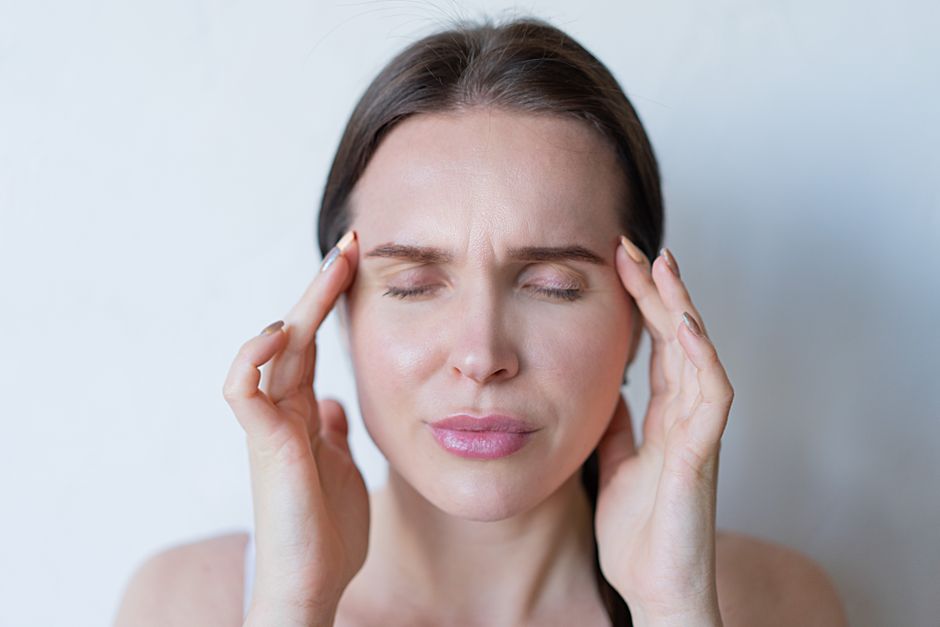
Waking up with a headache is a common experience, and it usually has a clear explanation. The most frequent causes are sleep problems — especially sleep apnea — plus teeth grinding, neck and jaw strain, dehydration, and the natural early-morning dip in pain-relieving brain chemicals. When headaches happen almost every morning, a sleep disorder is one of the first things doctors look for, because the pattern itself points toward something happening during the night.
Morning headaches are not a single condition. They are a symptom, and the timing — within minutes to a few hours of waking — narrows down the likely causes. This guide explains the main ones, how they work, and which warning signs mean you should see a doctor rather than wait it out.
Why Do I Have Headaches Every Morning Causes Explained
The core reason morning headaches are so common is that sleep and pain share the same brain chemistry. Anything that disrupts sleep, breathing, or the muscles of the head and neck can trigger a headache by morning.
Four mechanisms explain most cases:
- Poor oxygen and high carbon dioxide during sleep. If breathing pauses or becomes shallow, carbon dioxide builds up in the blood. That widens blood vessels in the brain, which can produce a dull, pressing headache.
- Muscle tension. Grinding the teeth, clenching the jaw, or holding the neck in one position for hours strains the muscles that attach to the skull. This is a leading cause of tension-type headaches.
- Sleep disruption itself. Fragmented sleep lowers the brain’s natural pain threshold, so a stimulus that would not bother you during the day becomes a headache.
- Timing of pain chemicals. Levels of certain pain-relieving substances in the body appear to dip in the early morning, which may help explain why headaches cluster at that time.
Notice that all four are tied to what happens overnight. That is why a morning headache pattern is more informative than a headache that strikes at random times of day.
Is Sleep Apnea a Common Cause of Morning Headaches?
Yes. Obstructive sleep apnea is one of the most well-established causes of morning headaches, and it is frequently missed because people do not know they have it.
In obstructive sleep apnea, the upper airway repeatedly narrows or closes during sleep. Breathing stops for short periods, oxygen drops, and the brain briefly rouses to restart breathing. The person rarely remembers these awakenings, but they can happen many times an hour.
The morning headache from sleep apnea is typically pressing, on both sides of the head, and fades over the first few hours after waking. It often comes with other clues:
- Loud snoring
- Witnessed pauses in breathing during sleep
- Waking with a dry mouth or sore throat
- Daytime sleepiness despite a full night in bed
- Irritability or trouble concentrating
If several of these apply to you, this is worth discussing with a doctor. Sleep apnea is a real medical condition with real cardiovascular consequences, and it is diagnosed through a sleep study, not guessed at home. Treating the apnea often reduces the headaches, though not everyone improves.
Can Teeth Grinding and Jaw Clenching Cause Morning Headaches?
Yes. Sleep bruxism — grinding or clenching the teeth during sleep — is a recognized contributor to morning headaches, especially tension-type ones.
The muscles used for chewing are powerful, and clenching them for hours puts sustained strain on the jaw joint and the muscles that run up the side of the head. People with sleep bruxism often wake with:
- A dull headache around the temples or back of the head
- Jaw soreness or tightness
- Worn, flattened, or chipped teeth
- Tooth sensitivity
A dentist can often spot the signs of bruxism during a routine exam. Treatment options include a custom night guard, which protects the teeth, and in some cases behavioral or medical approaches. It is worth being clear about the evidence here: night guards reliably protect teeth, but their effect on headaches is variable. Some people get relief, others do not.





How Do Neck Problems and Poor Sleep Position Fit In?
The neck and the head are connected by the same set of muscles and nerves, so a strained neck frequently produces a headache. This is called a cervicogenic headache, meaning it originates from the cervical spine.
Sleeping in an awkward position, using a pillow that is too high or too flat, or having an underlying neck problem can all leave those muscles tight by morning. The headache usually starts at the back of the head or the base of the skull and may spread forward.
A few practical points that are well supported:
- A pillow should keep the neck roughly in line with the spine, not propped up sharply.
- Stomach sleeping forces the neck into a rotated position for hours and tends to aggravate neck strain.
- Persistent neck pain with headaches deserves a proper evaluation, because the neck can also be a sign of something more serious.
Physical therapy and targeted exercises help some people with cervicogenic headaches. The evidence for specific exercises is mixed, so results vary from person to person.
Can Dehydration and Skipping Fluids Cause Morning Headaches?
Dehydration is a genuine headache trigger, and the overnight hours are when the body can become relatively dehydrated.
You lose water through breathing and sweating while you sleep, and you may go several hours without drinking. For some people, that is enough to bring on a headache by morning. Alcohol the night before makes this worse, because it increases urine output and can disrupt sleep.
The relationship is real but the size of the effect varies. Not everyone who is mildly dehydrated gets a headache. Still, if your morning headaches tend to follow evenings with alcohol or very little water, hydration is a reasonable thing to test.
When Should a Morning Headache Worry You?
Most morning headaches are not dangerous. But a specific set of warning signs should prompt medical attention, because they can point to something that needs urgent evaluation.
Seek medical care if a morning headache comes with any of the following:
- A sudden, severe headache that peaks within seconds to a minute — often described as a thunderclap headache
- Headache with fever, stiff neck, rash, confusion, or a seizure
- Headache after a head injury
- Weakness, numbness, vision changes, trouble speaking, or trouble walking
- A headache that is clearly worse when lying down, coughing, or straining
- A new headache pattern after age 50
- A headache that keeps getting worse over days or weeks
- Headache with unintentional weight loss or night sweats
These signs do not mean something is definitely wrong. They mean a doctor should decide. A headache that wakes you from sleep or is worst right on waking is also worth mentioning, because that pattern can be a red flag in some cases.
What Actually Helps Morning Headaches?
The right fix depends on the cause, which is why identifying the cause matters more than reaching for a painkiller every morning.
If sleep apnea is the driver, treatment of the apnea is the priority — typically CPAP or another prescribed therapy, guided by a sleep specialist. If bruxism is involved, a dentist can assess the teeth and jaw. If neck strain or sleep position is the issue, adjusting the pillow and sleep posture is a reasonable first step. If dehydration plays a role, drinking water earlier in the day and moderating alcohol may help.
One caution worth stating plainly: using over-the-counter pain relievers for headaches on most days can actually cause more headaches. This is called medication-overuse headache, and it is a well-documented problem. If you are taking painkillers for headaches more than a couple of days a week, that pattern itself is worth raising with a doctor.
Keeping a simple headache diary — when the headache starts, how severe it is, what you ate and drank, how you slept, and whether you snored — gives a doctor far more to work with. Patterns that are invisible day to day often become obvious on paper.
Frequently Asked Questions
Why do I wake up with a headache every single morning?
The most common causes are sleep apnea, teeth grinding, neck strain, dehydration, and disrupted sleep. When the pattern is nearly every morning, a sleep-related cause such as sleep apnea is one of the first things to evaluate.
Can sleep apnea cause headaches only in the morning?
Yes, morning headaches are a recognized feature of obstructive sleep apnea and often fade within a few hours of waking. They usually come with snoring, witnessed breathing pauses, or daytime sleepiness.
Are morning headaches a sign of something serious?
Most are not dangerous, but certain signs need prompt medical care — a sudden severe headache, headache with fever or stiff neck, weakness or vision changes, or a headache that keeps worsening. A doctor should assess any of these.
Does drinking water help morning headaches?
It can help if dehydration is the trigger, which is more likely after alcohol or a long stretch without fluids. It will not resolve a headache caused by sleep apnea or bruxism.
