
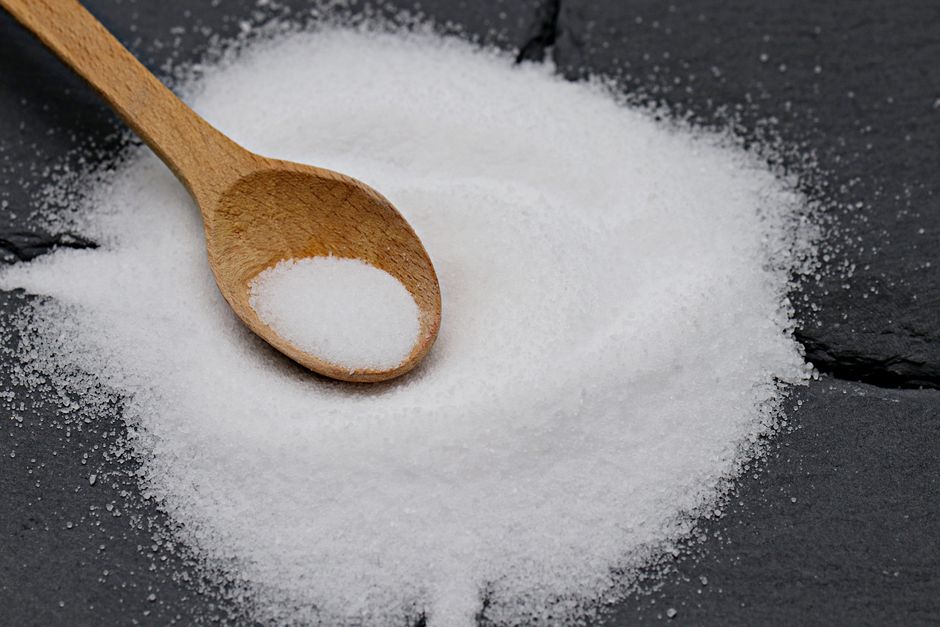
High sodium in the blood, known medically as hypernatremia, means your body has too much sodium relative to water. It is not caused by eating too much salt alone. The root causes are almost always dehydration, fluid loss, or an inability to drink or retain water. Understanding the difference between sodium intake and sodium concentration is the first step to making sense of this condition.
What Causes High Sodium Levels In The Blood?
Hypernatremia develops when water loss exceeds sodium loss. Your body constantly balances water and sodium. When that balance tips, sodium concentration rises. The most common scenario is not consuming enough water while losing fluids through sweat, urine, or illness.
Another pathway involves the kidneys. Healthy kidneys adjust urine concentration to preserve water. When they cannot do this properly, sodium levels climb. This happens in kidney disease, hormone imbalances, or as a side effect of certain medications.
Less commonly, excessive sodium intake plays a role. This usually occurs in hospital settings with IV fluids or in people who consume massive amounts of salt without water. For most people, the problem is water deficiency, not salt excess.
How Does Dehydration Lead to High Sodium?
Dehydration is the leading cause of hypernatremia. When you lose more water than you take in, the sodium in your blood becomes more concentrated. This can happen from not drinking enough, especially in older adults who may lose their sense of thirst.
Fever, vomiting, and diarrhea all accelerate water loss. So does heavy sweating from exercise or hot weather. Each of these situations removes water while leaving sodium behind, which raises the concentration in your bloodstream.
Some people cannot access water easily. Others have physical limitations that make drinking difficult. Older adults with dementia or mobility issues are particularly vulnerable. Infants are also at risk because their bodies contain a higher percentage of water and their kidneys are still maturing.
What Medical Conditions Raise Sodium Levels?
Diabetes insipidus is a condition that directly causes high sodium. It happens when the body cannot regulate water properly. The kidneys produce large amounts of dilute urine, and the person feels intensely thirsty. If they cannot drink enough to keep up, sodium rises.
Uncontrolled diabetes mellitus can also contribute. High blood sugar causes the kidneys to excrete more water. This is why excessive thirst and frequent urination are classic diabetes symptoms.
Kidney disease impairs the organs’ ability to concentrate urine. When the kidneys cannot conserve water effectively, the body loses fluid even without obvious sweating or illness. This makes hypernatremia more likely, especially during illness or heat exposure.
Severe burns damage the skin’s ability to hold fluid. This causes significant water loss through the damaged tissue. The same applies to certain skin conditions that compromise the barrier function of the skin.



Can Medications Cause High Sodium?
Certain medications increase the risk of hypernatremia. Diuretics, often called water pills, are a common culprit. They force the kidneys to excrete more water, which can concentrate sodium if fluid intake does not keep pace.
Lithium, used for bipolar disorder, can interfere with the kidney’s water regulation. This can lead to a form of diabetes insipidus. People taking lithium need regular monitoring of their kidney function and sodium levels.
Laxatives and some blood pressure medications can also contribute. Any drug that increases water loss without adequate replacement can push sodium upward. Always review medication side effects with a doctor if you are concerned about electrolyte balance.
Is Eating Too Much Salt a Common Cause?
For healthy people with normal thirst and kidney function, eating salty food rarely causes hypernatremia. The body responds to high salt intake by triggering thirst. You drink more water, and the kidneys excrete the excess sodium.
Problems arise when this system fails. People who cannot sense thirst, cannot access water, or have kidney problems may not compensate. In these cases, a high-salt diet can contribute to rising sodium levels.
Salt poisoning is a real but rare event. It happens with massive salt ingestion, such as a saltwater enema, forced salt intake, or in some cases of child neglect. This is a medical emergency that requires immediate treatment.
Most people do not need to worry about their salt shaker causing hypernatremia. The bigger concern is chronic high blood pressure from long-term excess sodium intake, which is a different problem entirely.
What Are the Symptoms of High Sodium?
Symptoms range from mild to severe. Early signs include intense thirst, dry mouth, and fatigue. Some people feel weak or restless. Urine output may decrease as the body tries to conserve water.
As sodium levels climb higher, neurological symptoms appear. Confusion, irritability, and muscle twitching can occur. In severe cases, seizures or coma may develop. These are emergency situations requiring immediate medical care.
The speed of onset matters. A slow rise in sodium allows the brain to adapt, producing milder symptoms. A rapid rise is more dangerous because brain cells cannot adjust quickly. Brain cells shrink as water moves out of them, which can cause bleeding in severe cases.
Older adults may not show classic symptoms. They might simply seem more confused or lethargic than usual. This is why caregivers should watch for subtle changes in mental status during illness or heat waves.
How Is High Sodium Diagnosed and Treated?
Diagnosis requires a blood test. The normal range for sodium is 135 to 145 milliequivalents per liter. Levels above 145 indicate hypernatremia. Doctors also check for underlying causes by evaluating kidney function, blood sugar, and urine concentration.
Treatment focuses on correcting the water deficit slowly. The rate of correction matters greatly. Lowering sodium too quickly can cause brain swelling, a dangerous complication. Doctors typically aim to reduce sodium gradually over 48 hours or more.
Mild cases can be managed by increasing oral fluid intake. Water is usually sufficient. In more severe cases, intravenous fluids are necessary. The type and rate of fluid depend on the patient’s overall health and how quickly the sodium rose.
The underlying cause must also be addressed. If a medication caused the problem, it may need adjustment. If diabetes is involved, blood sugar control becomes the priority. Treating the cause prevents recurrence.
Who Is Most at Risk for High Sodium?
Older adults face the highest risk. Aging reduces thirst sensation, so they may not feel the urge to drink. Kidney function also declines with age, making water conservation less efficient. Illness, medication, and mobility issues compound these risks.
Infants are also vulnerable. They cannot communicate thirst or access water independently. Illness that causes vomiting or diarrhea can rapidly dehydrate a baby. Parents should watch for decreased wet diapers, dry mouth, and unusual sleepiness.
People with cognitive impairment, such as dementia, may forget to drink. Those with swallowing difficulties may avoid fluids. Hospitalized patients and nursing home residents are at increased risk, particularly if they cannot feed themselves.
Athletes who compete in endurance events can develop hypernatremia, though it is less common than low sodium. This typically occurs when they lose large amounts of water through sweat and do not replace it adequately.
Frequently Asked Questions
Can drinking too much water cause high sodium?
No, drinking too much water dilutes sodium and causes low sodium, not high sodium. High sodium comes from water loss or inadequate water intake.
Is high sodium in the blood the same as eating too much salt?
No, they are different problems. High blood sodium is a concentration issue usually caused by dehydration, while eating too much salt is a dietary issue linked to high blood pressure.
How fast does high sodium develop?
It can develop within hours in severe dehydration or over days in milder cases. Rapid onset causes more dangerous symptoms than gradual onset.
Can high sodium levels be reversed at home?
Mild cases can improve by drinking water, but any case with confusion, weakness, or severe symptoms needs emergency medical care. Do not attempt to self-treat suspected hypernatremia.
