

Blood pressure normally follows a daily rhythm. It dips to its lowest point during sleep and rises again in the early morning hours. For many people, however, this pattern flips. Their blood pressure climbs at night instead of falling. This is called nocturnal hypertension, and it is a genuine health concern. When blood pressure stays high overnight, it forces the heart and blood vessels to work harder during a time meant for rest. Understanding why this happens is the first step toward managing it.
What Is a Normal Nighttime Blood Pressure Pattern?
During healthy sleep, blood pressure drops. This is known as “dipping.” The drop typically ranges from 10 to 20 percent compared to daytime averages. Your body lowers its metabolic rate, blood vessels relax, and the heart pumps with less effort.
For about one in four adults, this dip does not happen. Some people have a drop of less than 10 percent, which doctors call “non-dipping.” Others experience a rise in blood pressure during the night. Both patterns are linked to a higher risk of cardiovascular problems, including heart attack and stroke.
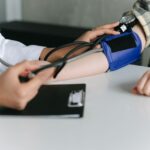
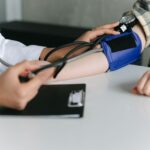
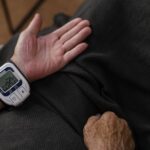
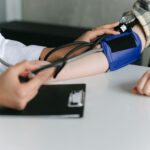
The standard way to detect nighttime blood pressure is with an ambulatory blood pressure monitor. This device is worn for 24 hours and takes readings automatically, including while you sleep. A single home reading at bedtime or in the morning does not capture the full picture.
Why Does Blood Pressure Go Up At Night?
Several mechanisms can push blood pressure upward during sleep. The most common cause is disruption of the body’s natural sleep-wake cycle. When sleep is fragmented or shallow, the nervous system stays in a more alert state. This keeps stress hormones like cortisol and adrenaline circulating at levels that should be low.
Obstructive sleep apnea is a major driver of nighttime hypertension. In this condition, the airway collapses repeatedly during sleep. Each pause in breathing triggers a drop in blood oxygen, which activates the sympathetic nervous system. The body responds by releasing stress hormones that spike blood pressure. These episodes can happen dozens of times per hour, each one sending blood pressure up.
Other factors include chronic kidney disease, diabetes, and conditions that affect the autonomic nervous system. Certain medications, including some decongestants and pain relievers, can also raise nighttime readings. Even the position of your body matters. Sleeping flat can affect blood pressure differently than sleeping with your head elevated.
The Role of the Circadian Rhythm
The body’s internal clock, or circadian rhythm, regulates more than sleep and wakefulness. It also controls blood pressure. In a healthy pattern, blood pressure begins to fall in the evening as melatonin rises. It reaches its lowest point in the middle of the night, usually between 2 a.m. and 4 a.m.
Then, in the hours before waking, blood pressure starts to climb. This is partly driven by cortisol, which prepares the body for the day. This morning surge is normal. The problem occurs when this surge happens too early or when blood pressure never settles down overnight.
Shift work, irregular sleep schedules, and chronic sleep deprivation all disrupt the circadian rhythm. When your internal clock is out of sync with your actual sleep times, blood pressure regulation suffers. Some research suggests that even a single night of poor sleep can raise blood pressure the next day, though more studies are needed to confirm the long-term effects.

How Sleep Apnea Raises Nighttime Blood Pressure
Obstructive sleep apnea deserves special attention because it is both common and treatable. When breathing stops during sleep, oxygen levels in the blood fall. Chemoreceptors in the body detect this drop and signal the brain to wake you up just enough to restart breathing.
Each arousal triggers a burst of adrenaline. Blood vessels constrict, heart rate rises, and blood pressure spikes. Over the course of a night, a person with moderate to severe sleep apnea may experience hundreds of these episodes. The cumulative effect is sustained high blood pressure during sleep.
Treating sleep apnea with continuous positive airway pressure, or CPAP, often improves nighttime blood pressure. Studies show that consistent CPAP use can lower both nighttime and daytime blood pressure in people with the condition. If you snore heavily, feel exhausted during the day, or have been told you stop breathing at night, a sleep study may be worthwhile.
Who Is Most Likely to Have Nighttime Hypertension?
Certain groups face a higher risk. People over 60 are more likely to have non-dipping or rising nighttime blood pressure. The same is true for those with chronic kidney disease, diabetes, or heart failure. Obesity increases the risk of sleep apnea, which in turn raises nighttime blood pressure.
Race also plays a role. Research indicates that Black adults are more likely to have nocturnal hypertension compared to white adults. The reasons are not fully understood, but may relate to differences in salt sensitivity, stress exposure, and access to care.
Lifestyle factors matter too. Heavy alcohol use, especially in the evening, can raise nighttime blood pressure. High salt intake makes blood pressure harder to control throughout the day and night. Caffeine consumed late in the day can delay the natural evening dip in blood pressure.
Why Nighttime Blood Pressure Matters for Your Health
Nighttime blood pressure is actually a stronger predictor of cardiovascular events than daytime readings. This is a well-established finding in medical research. A person whose blood pressure rises at night faces a higher risk of heart attack, stroke, and kidney damage than someone whose blood pressure is high only during the day.
The reasons are straightforward. High blood pressure damages the inner lining of blood vessels. When this damage continues around the clock, it accelerates atherosclerosis and stiffens the arteries. The heart has to work harder to pump blood, which can lead to thickening of the heart muscle over time.
Silent damage is the real concern. Nighttime hypertension often produces no symptoms. You may feel fine and have normal daytime readings at the doctor’s office, while your blood pressure is dangerously high while you sleep. This is why ambulatory monitoring matters for certain patients.
What You Can Do About It
The first step is knowing whether you have nighttime hypertension. Ask your doctor if an ambulatory blood pressure monitor is appropriate for you. This is especially important if you have high daytime readings, diabetes, kidney disease, or symptoms of sleep apnea.
If you are diagnosed, treatment depends on the cause. For sleep apnea, CPAP therapy is the most effective option. For others, adjusting the timing of blood pressure medication can help. Some studies suggest that taking certain blood pressure medications at bedtime rather than in the morning improves nighttime control, but this is not right for everyone. Work with your doctor to find the best schedule for your specific medications.
Lifestyle changes can also make a difference:
- Limit alcohol, especially in the evening
- Reduce salt intake throughout the day
- Avoid caffeine after mid-afternoon
- Keep a consistent sleep schedule
- Address snoring or daytime fatigue with a medical evaluation
These changes are not a substitute for medical treatment. They work alongside it.
When to See a Doctor
You should discuss nighttime blood pressure with your doctor if you have high daytime readings, a family history of early heart disease, or conditions like diabetes or kidney disease. Symptoms like morning headaches, chest discomfort, or severe fatigue may also warrant a conversation.
Do not assume that normal daytime readings mean your blood pressure is fine all day. The evidence is clear that nighttime hypertension is common, dangerous, and often hidden. A simple conversation with your doctor can determine whether you need closer monitoring.
Frequently Asked Questions
Can high blood pressure at night cause a heart attack?
Yes, sustained nighttime hypertension increases the risk of heart attack and stroke. The continuous strain on blood vessels and the heart during sleep contributes to this elevated risk.
How do I know if my blood pressure goes up at night?
The only reliable way to know is with a 24-hour ambulatory blood pressure monitor. Home monitors taken at bedtime or on waking do not capture the overnight pattern accurately.
Does taking blood pressure medication at night help?
Some research suggests that evening dosing improves nighttime blood pressure control for certain patients, but results are mixed. Your doctor can advise based on your specific medication and health profile.
Can losing weight lower nighttime blood pressure?
Weight loss can lower blood pressure overall, and it often reduces sleep apnea severity, which is a major cause of nighttime hypertension. The effect depends on the underlying cause of your high nighttime readings.
