
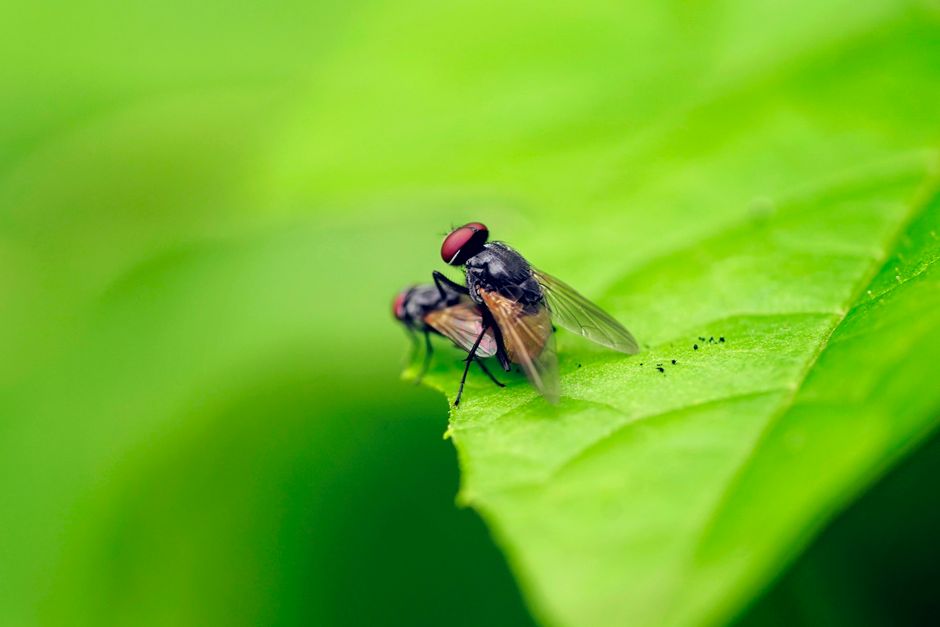
Green flies suddenly appearing in your home or garden is a common and frustrating problem. These shiny, metallic-colored insects are almost always attracted to one of three things: decaying organic matter, animal waste, or standing water. The most effective way to get rid of them is to find and remove the source of the attraction, then seal the entry points they use to get inside. This guide explains exactly why they show up and the practical steps you can take to eliminate them for good.
What Are Green Flies And Why Are They In Your Home?
When people say “green flies,” they are usually talking about blow flies or bottle flies. These are the large, metallic green or blue-green flies you see buzzing around trash cans or near windows. They are different from the small green aphids that gardeners call greenflies, which are plant pests and do not bite or enter homes.
Blow flies are strongly attracted to decaying organic material. This includes rotting meat, spoiled food, pet feces, and even dead animals in walls or attics. A female blow fly can lay hundreds of eggs at a time, and the larvae hatch within 24 hours. If you see a sudden swarm, the breeding source is almost certainly nearby and has been there for at least a few days.
Another possibility is the common green bottle fly, which breeds in damp garbage or compost. If your bin has a leaky bag or food scraps are left uncovered, that is an open invitation. The flies do not come from nowhere—they follow the smell of decomposition.
What Causes Green Flies To Multiply Rapidly?
The life cycle of a green fly is fast. In warm weather, an egg can become an adult fly in about 7 to 10 days. That means a single missed trash pickup or a small animal carcass in your yard can produce hundreds of flies within a week.
Several factors accelerate their reproduction:
- Warm temperatures speed up egg hatching and larval growth.
- Moisture is required for larvae to survive. Dry environments kill them.
- Access to protein in the form of meat, fish, or animal waste is essential for egg production.
- Unsealed garbage gives flies a direct route to their preferred breeding sites.
If you are seeing adult flies indoors, the breeding site may be inside the structure itself. A dead rodent in a wall cavity or attic is a classic hidden source. The flies you see are the survivors that managed to find a way into your living space. Removing the carcass is the only permanent solution in that case.
How To Get Rid Of Green Flies Inside Your House
Start by locating the source. Check trash cans, recycling bins, pet food bowls, and any area where food scraps might collect. Look under appliances and in cabinets for spoiled produce. If you find rotting material, remove it immediately and clean the area with a disinfectant.
For the flies already inside, a fly swatter or a vacuum cleaner works immediately. A handheld vacuum is particularly useful for catching flies on windows and ceilings. You can also use sticky fly traps placed near windows, since flies are attracted to light and will congregate there.
Commercial insecticide sprays labeled for flying insects can kill adult flies on contact. Use them sparingly and follow the label instructions. Do not spray near food preparation areas or where pets eat. Aerosol sprays are effective but do not address the root cause—if the breeding source remains, new flies will replace the ones you kill.
For persistent indoor problems, consider a UV light trap designed for flies. These devices attract flies with ultraviolet light and trap them on a sticky board. They are safe to run continuously and do not use chemicals. They work best in kitchens, garages, and near entryways.





How To Get Rid Of Green Flies Outside
Outdoor control begins with sanitation. Keep garbage bins tightly sealed and rinse them regularly to remove residue. If you compost, bury food scraps under a layer of dry leaves or grass clippings to reduce odors and discourage flies from laying eggs.
Pet waste is a major attractant. Scoop dog feces daily and dispose of it in a sealed bag. If you have chickens or livestock, clean their coops frequently and remove soiled bedding promptly.
Check your yard for dead animals. A rabbit, bird, or rodent that died near your home will draw blow flies from a wide area. If you find one, wear gloves and dispose of it in a sealed plastic bag. Then treat the soil area with an insecticide labeled for fly larvae, or simply turn the soil over to expose any maggots to birds.
Standing water is another breeding site for some fly species. Empty buckets, birdbaths, and plant saucers regularly. Fix leaky outdoor faucets and clear clogged gutters. While green bottle flies prefer decaying matter, reducing standing water removes other fly species that may be confused with them.
How To Prevent Green Flies From Coming Back
Prevention is about denying flies access and removing attractants before they become a problem. Install fine mesh screens on windows and doors. Check for gaps around pipes, vents, and utility lines entering your home. Seal any opening larger than a quarter of an inch with caulk or steel wool.
Take out trash regularly, especially in summer. Use bins with tight-fitting lids, both indoors and outdoors. Do not leave food waste in open containers overnight. Clean your kitchen counters and sinks after meal preparation to remove residues that attract flies.
Consider using natural repellents like basil, mint, or lavender near entry points. Some research suggests these plants have mild repellent effects on flies, though they are not a substitute for sanitation. Essential oil sprays containing citronella or eucalyptus can also help, but their effect is temporary and requires reapplication.
If you have a compost pile, maintain the correct balance of green and brown materials. A properly managed pile heats up and breaks down quickly, which reduces odors. Turning the pile weekly also disrupts any fly larvae that may have been laid.
Are Green Flies Dangerous Or Harmful?
Green bottle flies do not bite humans. They have sponging mouthparts, not biting mouthparts. However, they are still a health concern because they land on feces, garbage, and dead animals, then land on your food and surfaces. They can transfer bacteria like E. coli and Salmonella from their legs and bodies to anything they touch.
This is why controlling them matters beyond simple annoyance. A fly walking across your kitchen counter can leave behind harmful pathogens. In homes with young children, elderly people, or anyone with a weakened immune system, the risk of food contamination is real.
Their larvae, called maggots, can also infest wounds in animals or humans in rare cases—a condition called myiasis. This is uncommon in clean environments but can occur if a wound is left uncovered and flies have access to it. Anyone with an open wound should keep it bandaged, especially outdoors.
When Should You Call A Professional?
If you have removed all visible sources and the flies keep coming, you may have a hidden breeding site. Professional pest control technicians have the tools and experience to locate dead animals inside walls, under floors, or in attics. They can also apply residual insecticides to areas you cannot safely treat yourself.
Call a professional if you notice a persistent swarm that does not diminish after cleaning, or if you smell a decomposition odor but cannot find the source. A technician can use a borescope to inspect wall cavities and crawl spaces. They can also identify whether you are dealing with blow flies or another species that requires a different approach.
Professional treatment is not always necessary. Most green fly problems resolve when the breeding source is removed and entry points are sealed. But if the problem has lasted more than two weeks despite your efforts, professional help is a reasonable next step.
Frequently Asked Questions
What attracts green flies to a house?
Green flies are attracted to decaying organic matter, including rotting food, pet waste, dead animals, and garbage. They also need moisture and warm temperatures to breed.
How long do green flies live?
Adult green bottle flies typically live for 7 to 14 days. In warm conditions, the entire life cycle from egg to adult can take as little as 7 days.
Do green flies bite humans?
No, green bottle flies do not bite. They feed on liquids using sponging mouthparts, but they can still spread bacteria by landing on food and surfaces.
What kills green flies instantly?
Aerosol insecticide sprays labeled for flying insects kill green flies on contact. A fly swatter or vacuum is equally effective for small numbers of flies indoors.
