
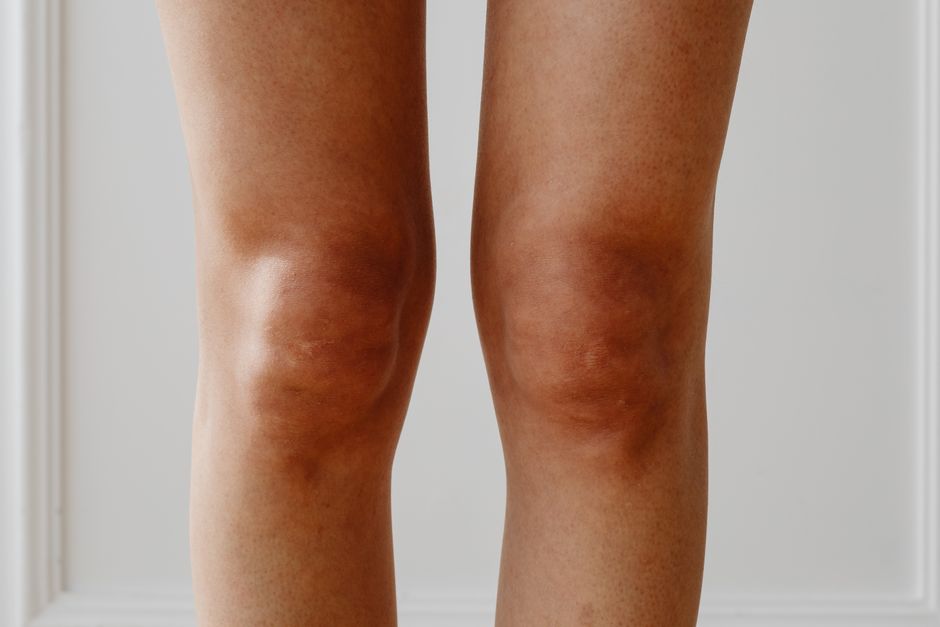
Swelling after knee replacement is common, and in most cases it is the body’s normal response to major surgery rather than a sign that something has gone wrong. The knee is a complex joint, and replacing it involves cutting bone, removing damaged tissue, and inserting metal and plastic components. That process triggers inflammation, and inflammation brings fluid. Blood, lymph, and inflammatory cells collect in and around the joint space as part of healing. In some people, that fluid lingers for weeks or months. In others, it signals a problem that needs medical attention.
What Causes Fluid On The Knee After Knee Replacement?
Fluid builds up because surgery disrupts normal tissue and the body responds with inflammation. During a knee replacement, the surgeon removes the damaged ends of the femur and tibia, reshapes the joint, and implants prosthetic components. This creates a controlled injury. In response, blood vessels in the area become more permeable, letting fluid and immune cells move into surrounding tissues. Some of that fluid collects in the joint itself, a condition doctors call an effusion.
Several specific factors drive this process after knee replacement:
- Surgical trauma. Cutting bone and soft tissue releases inflammatory signals that draw fluid into the area.
- Blood in the joint. Bleeding during and after surgery can fill the joint space with blood, which then breaks down and contributes to swelling.
- Reduced movement. The knee’s natural pumping action helps move lymph fluid out. When you are less mobile after surgery, that drainage slows.
- Reaction to the implant. In a small number of people, the immune system reacts to the metal or plastic components, producing ongoing inflammation and fluid.
- Infection. A deep infection in the joint causes persistent fluid, warmth, and pain. This is uncommon but serious.
Most post-surgical effusion is expected and settles with time. The key question is whether the fluid is part of normal healing or a sign of a complication.
Is Swelling Normal After Knee Replacement?
Yes. Swelling is expected after knee replacement and is considered a normal part of recovery. Surgeons and physical therapists generally treat some degree of knee swelling as routine in the weeks following the procedure.
The timing matters. Swelling tends to peak in the first few days after surgery and then gradually decreases. Many people still notice some swelling weeks later, especially after activity. This is because the knee is still healing and because the lymphatic system, which drains excess fluid, works more slowly when the leg is not moving normally.
What is not normal is swelling that keeps getting worse, comes with fever, or is accompanied by redness and heat that spreads. Those patterns can point to infection or a blood clot, both of which need urgent care. A swollen knee that is also unusually painful, or one where the wound is leaking, should be checked by a doctor.
How Long Does Fluid Stay On The Knee After Surgery?
There is no single timeline, because recovery varies widely from person to person. Many people see the most noticeable swelling resolve within the first few weeks. Some degree of puffiness can persist for several months.
Several things affect how long fluid lingers:
- How much surgery was done and whether it was a first replacement or a revision
- Your baseline circulation and any conditions like venous disease
- How quickly you regain movement and how consistently you elevate and ice
- Whether any complication such as infection develops
Because the range is so broad, no single number applies to everyone. If swelling is not improving over time, or if it suddenly increases after a period of improvement, that change is worth reporting to your surgeon.




How Can You Tell Normal Swelling From a Problem?
Normal post-surgical swelling is usually soft, improves with elevation and rest, and gradually lessens over time. Problem swelling behaves differently. The table below compares features that clinicians look for, though only a doctor can diagnose the cause.
| Feature | Usually normal healing | Possible complication |
|---|---|---|
| Onset | Peaks early, then slowly improves | Worsens or returns after improving |
| Pain | Eases with time and medication | Severe, increasing, or new |
| Warmth and redness | Mild, near the incision | Spreading, hot, or worsening |
| Fever | Low-grade, brief | Persistent or high |
| Calf symptoms | None | Calf pain, tenderness, or swelling |
A blood clot in the leg, known as deep vein thrombosis, can cause calf pain and swelling and is a medical emergency. Infection can cause fever, chills, and a joint that feels hot and looks red. Neither should be watched at home. Contact your surgical team or seek urgent care if these signs appear.
What Helps Reduce Fluid After Knee Replacement?
The standard approach to managing post-surgical swelling combines elevation, ice, compression, and movement. These measures support the body’s own drainage and are widely recommended by orthopedic teams.
- Elevation. Raising the leg above heart level helps fluid drain away from the knee.
- Ice. Cold reduces blood flow and inflammation in the treated area. Follow your care team’s instructions on how long and how often to apply it.
- Compression. Wraps or compression stockings can help limit fluid buildup and support circulation.
- Movement. Gentle movement, guided by a physical therapist, activates the calf and thigh muscles that help pump fluid out of the leg.
Physical therapy is a core part of recovery, and following the plan your surgeon and therapist set matters more than any single home remedy. Some clinicians also use compression pumps or manual lymphatic drainage, though the evidence for these specific techniques after knee replacement is not as strong as for the basics above. If swelling is severe or persistent, your surgeon may drain the joint, but this is not routine.
When Should You Call Your Doctor?
Call your surgeon or seek urgent care if you notice any of the following:
- Swelling that keeps getting worse instead of better
- Fever, chills, or feeling generally unwell
- Redness or warmth that spreads beyond the incision
- New or worsening calf pain or swelling
- Fluid leaking from the wound
- Pain that is not controlled by your prescribed medication
These signs can indicate infection, a blood clot, or another complication. Getting them checked early is safer than waiting. Most complications are more treatable when caught sooner.
Does Fluid on the Knee Mean the Implant Failed?
Not usually. Most post-surgical fluid is part of normal healing and does not mean the implant is failing. Implant failure tends to show up differently, often as pain that develops or worsens months or years after surgery, or as loosening seen on imaging.
One situation worth knowing about is a reaction to the metals in the implant, sometimes called metal hypersensitivity. Some people develop an immune response to ions released from the metal components, which can cause ongoing inflammation, fluid, and pain. This is uncommon and remains an area of active research, so estimates of how often it happens vary. If pain and swelling persist well beyond the expected recovery window, your surgeon may investigate this among other causes. It is not something to self-diagnose.
Frequently Asked Questions
Is it normal to have fluid on the knee after knee replacement?
Yes, some fluid buildup is a normal part of healing after knee replacement. It usually peaks early and then slowly improves over weeks to months.
How long does swelling last after knee replacement?
Swelling often decreases over the first few weeks, but mild puffiness can persist for several months. The timeline varies widely, so worsening or returning swelling should be checked.
When is knee swelling after replacement a sign of infection?
Fever, spreading redness, increasing warmth, wound drainage, and pain that keeps getting worse can point to infection. These signs need prompt medical evaluation.
Can fluid on the knee mean the implant is failing?
Usually not, because most fluid is part of normal healing. Implant problems more often show up as new or worsening pain months or years later, sometimes with loosening on imaging.
