
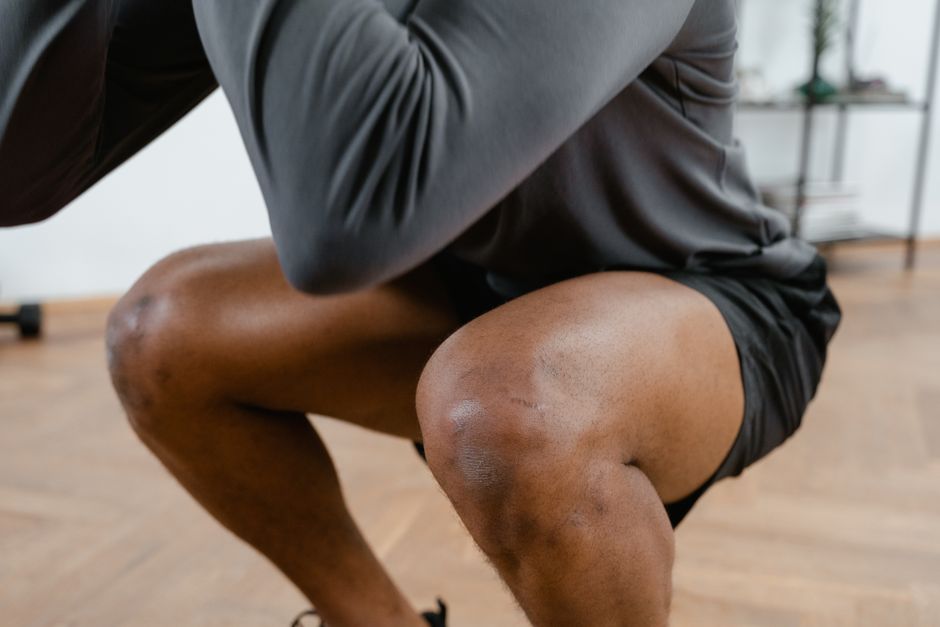
A knee brace wraparound sleeve tape is made by layering materials in a specific order: a thin foam or fabric base cut to fit around the knee, an elastic wrap layer that provides compression, and an adhesive or hook-and-loop closure to hold it in place. The wrap goes around the knee joint, not over the kneecap, and overlaps itself by about half its width with each pass. Most people can make a functional version at home with foam padding, elastic bandage, and tape in under 15 minutes.
What Materials Do You Need To Make A Knee Brace Wraparound Sleeve Tape?
The materials matter more than the technique. A wrap that slips, bunches, or loses tension is worse than no wrap at all because it can shift during movement and create pressure points.
You need three functional layers:
- Base layer: Closed-cell foam (often called neoprene or EVA foam) about 3–5 mm thick. This provides cushioning and a surface for the wrap to grip.
- Compression layer: A wide elastic bandage, typically 4–6 inches wide. Wider bandages distribute pressure better and resist rolling.
- Closure layer: Either hook-and-loop fastener strips or medical-grade adhesive tape. Hook-and-loop is reusable and adjustable. Tape is not.
You may also want a thin liner fabric (like cotton jersey) to place against the skin if the foam causes irritation. Some people use self-adherent wrap (the kind that sticks to itself but not to skin) instead of elastic bandage with clips.
What you should not use: ordinary duct tape directly on skin, rubber bands, or any material that does not stretch. These do not allow for controlled compression and can restrict blood flow or cause skin damage.
How Do You Measure And Cut The Base Layer?
Measure the circumference of your knee at its widest point, usually right over the kneecap. Then measure the circumference about 3 inches above and 3 inches below that point. Use the largest measurement.
Cut a rectangular piece of foam that is about 1.5 times that circumference in length and about 6–8 inches in width. The extra length allows for overlap. The width should cover from just above the kneecap to just below it.
Round the corners with scissors. Sharp corners curl and peel. If you have a sewing machine, you can stitch a fabric cover over the foam to make it more durable and comfortable. This is optional.
If you are making this for someone else, measure their knee while they are standing with the leg straight. Measuring while seated can give a smaller number because the thigh muscles relax and the knee shape changes.
How Do You Apply The Wraparound Tape Correctly?
Application technique determines whether the wrap stays in place and provides even support. Start with the knee slightly bent, around 20–30 degrees. A fully straight leg makes the wrap too tight when you bend afterward.
Place the center of the foam base over the kneecap. Hold it in place with one hand. With the other hand, begin wrapping the elastic bandage from the bottom edge of the foam, moving upward.
Each pass of the bandage should overlap the previous pass by about half the bandage width. This creates two layers everywhere and prevents gaps. Keep tension firm but not tight enough to dent the skin. You should be able to slide one finger under the edge of the wrap.
When you reach the top of the foam, secure the end with the closure method you chose. If using hook-and-loop, press the hook side firmly onto the loop side. If using tape, apply two strips at opposite sides of the wrap, not over the front of the knee.
Check the fit by bending and straightening the knee a few times. The wrap should not slide down or bunch behind the knee. If it does, remove it and start over with slightly more overlap or a wider bandage.





What Is The Difference Between A Wraparound Sleeve And A Tape Job?
A wraparound sleeve is a reusable garment that slides on or wraps around the knee. A tape job uses adhesive tape applied directly to the skin in specific patterns to support ligaments or limit motion.
Wraparound sleeves provide general compression and mild warmth. They do not restrict specific movements the way tape can. Tape can be applied to limit side-to-side motion or prevent hyperextension, but it requires skill and usually a second person to apply.
If you are making a wraparound sleeve tape at home, you are essentially combining the two ideas: a reusable sleeve with a tape-like closure. This gives you compression and a customizable fit without the cost and skin irritation of repeated taping.
One limitation: a homemade wrap cannot replicate the precise mechanical support of a professionally applied brace or athletic tape job. If you need support for a specific ligament injury or after surgery, a custom brace fitted by a clinician is the appropriate choice.
How Tight Should A Knee Wraparound Be?
Compression should be firm enough to feel supportive but loose enough that you forget you are wearing it after a few minutes. The standard test is simple: you should be able to slip one finger under the edge of the wrap without forcing it.
Signs the wrap is too tight:
- Numbness or tingling in the foot or toes
- Skin turning pale, blue, or gray below the wrap
- Throbbing pain that gets worse with movement
- Swelling that increases while wearing the wrap
If any of these occur, remove the wrap immediately. Do not try to adjust it by pulling it looser while still on the leg. Take it off and reapply from scratch.
People with diabetes, peripheral artery disease, or nerve damage should be especially cautious with compression wraps. Reduced sensation can mean you do not feel a wrap that is too tight. Talk to a clinician before using any compression device if you have these conditions.
When Should You Not Use A Homemade Knee Wrap?
A homemade wrap is not appropriate for every knee problem. Do not use one if you have an open wound, a suspected fracture, or signs of a blood clot such as sudden swelling, warmth, and redness in one leg.
Do not use a wrap to try to “work through” a knee injury. If you cannot bear weight, have significant swelling within an hour of injury, or heard a pop at the time of injury, see a clinician. These signs suggest structural damage that a wrap cannot address.
Also avoid using a wrap as a substitute for medical evaluation if knee pain persists for more than a few days or keeps returning. A wrap manages symptoms. It does not treat the underlying cause.
Some clinicians recommend compression sleeves for mild osteoarthritis knee pain. The evidence for this is mixed. Some studies suggest modest pain relief, while others show no clear benefit over placebo. A homemade wrap is unlikely to outperform a commercially made sleeve for this purpose, but it may be a reasonable low-cost option for mild, activity-related discomfort.
How Do You Care For A Reusable Knee Wrap?
If you make a wrap with foam and fabric, hand wash it in cool water with mild soap. Hot water can break down foam and elastic. Air dry it flat. Do not put it in a dryer.
Inspect the wrap before each use. Look for stretched elastic, torn foam, or worn closure strips. A wrap that has lost its elasticity will not provide consistent compression and should be replaced.
If you use adhesive tape as part of your wrap, replace the tape each time. Do not try to reuse tape that has already been stuck to skin or fabric. It will not hold.
For a simple no-sew version, you can cut a tube of elastic bandage and slip it on like a sleeve. This is less adjustable than a wraparound style but works for mild support during low-impact activity.
Frequently Asked Questions
Can I make a knee brace wraparound sleeve tape without sewing?
Yes. Use self-adherent wrap or hook-and-loop strips instead of stitching. Cut the foam base, wrap the elastic bandage around it, and secure with the closure. No needle required.
How long can I wear a homemade knee wrap?
There is no established time limit for a well-fitted compression wrap, but remove it if you feel numbness, tingling, or increasing pain. Many people wear wraps during activity only and take them off at rest.
Is a homemade knee wrap as good as a store-bought brace?
No. A store-bought brace is designed and tested for specific support levels. A homemade wrap can provide mild compression and cushioning, but it will not match the structural support of a fitted brace.
What tape is best for a knee wraparound?
Medical-grade adhesive tape or hook-and-loop fastener strips work best. Avoid duct tape or other non-medical tapes because they can irritate skin and do not stretch with movement.
