
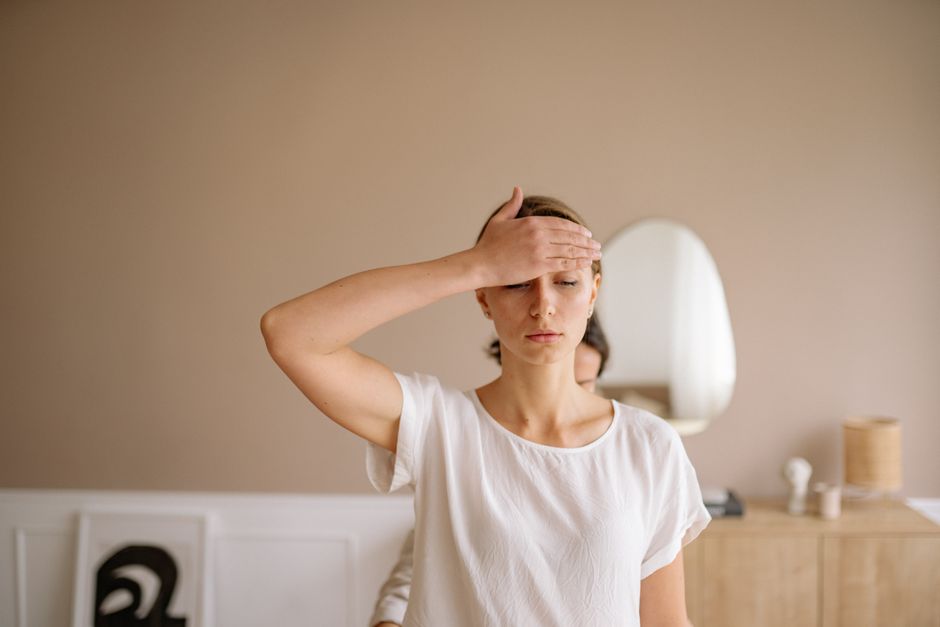
False awakenings occur when you dream that you have woken up, but you are actually still asleep. These dreams feel intensely real, which can be confusing and sometimes unsettling. The main causes include disrupted sleep, stress, and irregular sleep schedules. To reduce false awakenings, focus on consistent sleep routines and managing daily stress. Keeping a dream journal and practicing reality checks may also help.
What Causes False Awakenings And How To Stop Them?
False awakenings happen during REM sleep, the stage when most vivid dreaming occurs. The brain is highly active, and it can create a dream version of your bedroom morning routine. The exact reason is not fully understood, but researchers believe it involves a mismatch between brain activity and body state. The brain wakes up enough to generate the experience of waking but not enough to fully transition out of sleep.
Common triggers include:
- Irregular sleep schedule. Going to bed and waking at different times disrupts sleep cycles and increases the chance of REM abnormalities.
- Stress and anxiety. High stress levels can cause more fragmented sleep and more intense dreams.
- REM rebound. After a period of sleep deprivation, the brain tries to catch up on REM sleep. This can make dreams more vivid and increase the likelihood of false awakenings.
- Sleep disruptions. Waking briefly during the night from noise, light, or a partner’s movement can trigger a false awakening on the next REM cycle.
- Sleep disorders. Conditions like insomnia, sleep apnea, or narcolepsy may make false awakenings more common, though more research is needed.
To stop false awakenings, try these approaches:
- Maintain a consistent sleep schedule. Go to bed and wake at the same time every day, including weekends. This stabilizes your sleep cycles.
- Reduce stress before bed. Relaxation techniques such as deep breathing, gentle stretching, or reading can lower nighttime anxiety.
- Keep a dream journal. Writing down dreams soon after waking helps you become more aware of dream patterns.
- Practice reality testing. Throughout the day, check whether you are awake by doing a simple action, like trying to push your finger through your opposite palm. In dreams, this often fails. Doing this regularly may carry into your dreams and help you recognize a false awakening.
- Improve sleep hygiene. Keep your bedroom dark, quiet, and cool. Avoid screens, caffeine, and heavy meals for at least an hour before bed.
These strategies are based on common clinical recommendations and dream research. There is no guarantee they will stop false awakenings entirely, but many people find them helpful.
What Happens In The Brain During A False Awakening?
During REM sleep, the brainstem keeps the body in a state of temporary muscle paralysis, called REM atonia. This prevents you from acting out your dreams. At the same time, the cortex is nearly as active as it is when you are awake. A false awakening occurs when the cortex generates a waking scenario while the brainstem still keeps you in REM sleep. You experience the sensation of waking and performing actions, but your body remains asleep.
Some researchers compare false awakenings to a type of mixed state of consciousness. The brain is partly in REM and partly beginning the transition to wakefulness. This overlap creates the realistic but false experience. Brain imaging studies on related phenomena, such as lucid dreaming, show that the prefrontal cortex becomes more active during conscious dream experiences. It is likely that similar changes happen during false awakenings, but specific studies are limited.
How Are False Awakenings Different From Lucid Dreams And Sleep Paralysis?
False awakenings share some features with other sleep phenomena, but they are distinct.
False awakening vs. lucid dream. In a lucid dream, you know you are dreaming and may control the dream. In a false awakening, you believe you have woken up. You do not realize you are still dreaming. Some people experience false awakenings that transition into lucid dreams, but they are not the same.
False awakening vs. sleep paralysis. During sleep paralysis, you are awake and aware, but you cannot move your body. It often happens when coming out of REM sleep. False awakenings happen while you are still fully asleep and dreaming. They do not involve the temporary inability to move that defines sleep paralysis. However, both can feel frightening and sometimes occur in the same person.
False awakening vs. ordinary dreams. Most dreams are not mistaken for reality. What makes false awakenings notable is the conviction that you are awake. They often involve mundane morning activities, making them harder to recognize as dreams.





When Should You See A Doctor About False Awakenings?
Occasional false awakenings are normal and not a cause for concern. They happen to many people at some point. However, you should consider speaking with a doctor or sleep specialist if:
- They happen several times a week and disrupt your sleep.
- They cause significant daytime sleepiness or anxiety.
- You also experience symptoms of a sleep disorder, such as loud snoring, gasping for air during sleep, frequent nightmares, or falling asleep suddenly during the day.
- The false awakenings are accompanied by vivid hallucinations upon waking or a sense of pressure on your chest (which may point to sleep paralysis).
A doctor can help rule out underlying conditions like sleep apnea, insomnia, or narcolepsy. They may recommend a sleep study or refer you to a sleep specialist. Treating the primary disorder often reduces false awakenings.
Frequently Asked Questions
Can false awakenings be a sign of a sleep disorder?
They can be, especially if they happen frequently along with other symptoms like daytime fatigue, loud snoring, or sudden sleep attacks. In those cases, it is wise to see a doctor. For most people, occasional false awakenings are normal.
Are false awakenings the same as sleep paralysis?
No. In a false awakening you are still dreaming and believe you are awake. In sleep paralysis you are actually awake but temporarily cannot move. They can occur in the same night but are different experiences.
How can I tell if I am having a false awakening?
Look for small inconsistencies, like strange lighting, unusual objects, or clocks showing impossible times. Doing a reality test—such as trying to push your finger through your palm—can also reveal you are dreaming. Over time, paying attention to details may help you recognize them.
Do false awakenings mean I am not getting good sleep?
Not necessarily. Many people with healthy sleep habits experience them occasionally. However, if they are frequent, they may signal fragmented sleep or high stress. Improving sleep quality can reduce their frequency.
