
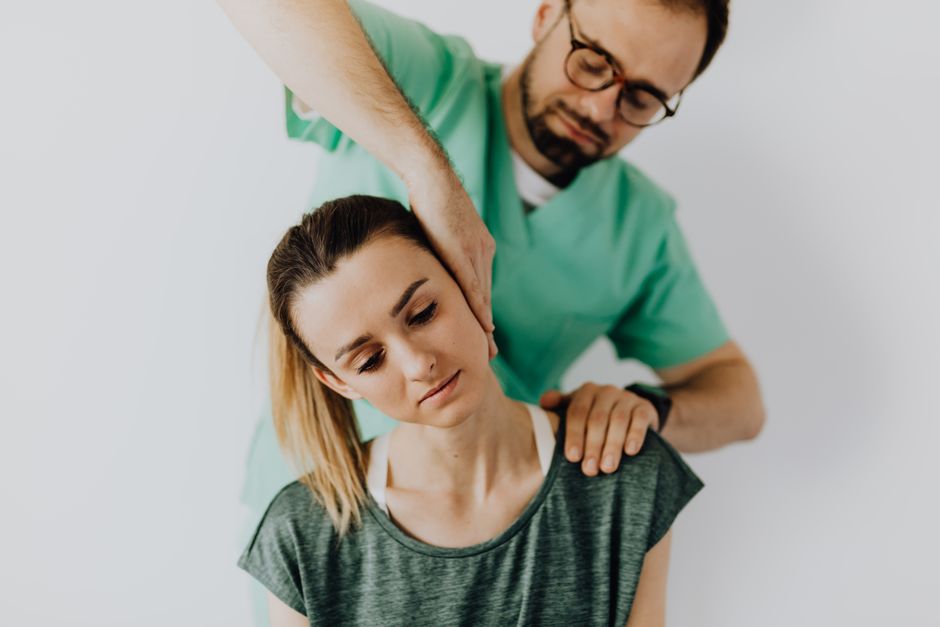
Neck twitching is a sudden, involuntary muscle spasm in the neck. For most people, it is brief, harmless, and goes away on its own. Gentle stretching, heat, and addressing triggers like stress or fatigue are the first-line fixes that actually work. If the twitching persists for weeks, spreads, or comes with weakness, that is a sign to see a doctor.
What Causes Neck Twitching?
A muscle twitch happens when a single muscle fiber or a small group of fibers contracts on their own. You do not control it. The neck has many small, layered muscles that work constantly to hold your head up, so they are prone to this kind of irritation.
The most common triggers are surprisingly ordinary. Fatigue tops the list. Sleep deprivation makes nerves hyper-excitable. Caffeine and stimulants can do the same. Stress and anxiety keep muscles tense, and that tension can tip into visible twitching. Dehydration and low electrolytes, especially magnesium, potassium, or calcium, also play a role in muscle irritability.
Sometimes the cause is physical. Poor posture, especially looking down at a phone for hours, overworks the neck muscles. So does sleeping in an awkward position or holding the phone between your ear and shoulder. In these cases, the twitch is often a sign that a specific muscle group is strained.
Less commonly, neck twitching can be tied to a nerve issue or a neurological condition. But the vast majority of cases are benign. If the twitch is isolated, comes and goes, and you feel otherwise fine, it is almost certainly not a serious problem.
Stretches That Actually Help Stop Neck Twitching
Stretching helps by releasing tension in the overworked muscle. When a muscle is tight and fatigued, it is more likely to twitch. Gentle lengthening interrupts that cycle. The key word is gentle. Aggressive stretching can irritate the muscle further and make the twitching worse.
Here are three stretches that target the muscles most often involved in neck twitching.
Neck side stretch. Sit or stand tall. Tilt your head toward one shoulder until you feel a mild stretch on the opposite side. Hold for 20 to 30 seconds. Return to center and repeat on the other side. Do not pull your head with your hand. Let gravity do the work.
Chin tuck. This targets the deep muscles at the front of the neck that often get weak and tight from forward head posture. Sit up straight. Gently pull your chin straight back, as if making a double chin. Hold for 5 seconds. Release. Repeat 10 times. This is more of a strengthening-mobility move than a stretch, and it is highly effective for posture-related neck tension.
Levator scapulae stretch. The levator scapulae runs from the top of the shoulder blade to the side of the neck. It is a common twitch site. Turn your head slightly to one side, then tilt your chin down toward your armpit. You should feel a stretch along the back-side of your neck. Hold for 20 to 30 seconds. Repeat on the other side.
Do these stretches twice a day, especially if you sit at a desk. Stretching once will not fix a chronic twitch. Consistency matters more than intensity.
Home Fixes That Work Fast
When a twitch is actively happening, stretching may not be enough. Sometimes the muscle needs to be calmed down first. Heat is one of the most reliable options. A warm compress or heating pad increases blood flow to the area and relaxes tense muscle fibers. Apply heat for 10 to 15 minutes. Do not fall asleep with a heating pad on your neck.
Massage can help, but be careful. Gentle pressure with two fingers on the twitching spot for 30 to 60 seconds can sometimes stop the spasm. Deep, aggressive massage can worsen the irritation. Think of it as calming the muscle, not breaking up a knot.
Hydration is a simple but often overlooked fix. If you have been drinking coffee all day and little water, the twitch may be an electrolyte issue. Drink a glass of water. If you exercise heavily or sweat a lot, a sports drink with electrolytes may help. For most people, plain water is enough.
Reducing caffeine and alcohol for a few days can also make a difference. Both can dehydrate you and overstimulate the nervous system. If your twitch appeared during a period of heavy coffee intake, cutting back is a reasonable test.




When Neck Twitching Is a Sign of Something Serious
Most neck twitching is benign. But not all of it is. There are specific red flags that should prompt a medical evaluation rather than another stretch session.
Seek medical attention if the twitching lasts longer than two weeks despite rest and stretching. Also seek help if the twitch spreads to other parts of the body, especially if it involves both sides of the body or the face. Muscle weakness, shrinkage of a muscle, or difficulty with fine motor tasks like buttoning a shirt are more concerning than the twitch itself.
If the twitching is accompanied by numbness, tingling, or pain that radiates down the arm, it may involve a nerve issue in the cervical spine. A pinched nerve can cause muscle fasciculations in the area it supplies.
Certain medications can cause muscle twitching as a side effect. Diuretics, some asthma medications, and certain steroids are known culprits. If you started a new medication around the same time the twitch began, mention it to your doctor.
A doctor may run blood tests to check electrolyte levels, thyroid function, or other markers. In rare cases, they may order an electromyography (EMG) test to evaluate the electrical activity of your muscles. But for the typical healthy adult with a transient twitch, this level of testing is not needed.
How To Stop Neck Twitching Stretches And Fixes That Work Long Term
The stretches and home fixes above stop an active twitch. Preventing it from coming back is a different task. The long-term approach focuses on the underlying triggers.
Sleep is the most important factor. Most adults need seven to nine hours per night. If you are consistently sleeping less than that, your nervous system stays slightly on edge. That is a direct setup for muscle twitching. Prioritizing sleep for a week is often enough to see a difference.
Posture correction is the second pillar. The average head weighs about 10 to 12 pounds. For every inch your head drifts forward, the load on your neck muscles roughly doubles. That is mechanical stress your muscles have to fight all day. Setting up your workstation so your monitor is at eye level and your shoulders are relaxed is not ergonomic fluff. It is direct prevention.
Stress management matters more than people expect. When you are stressed, you unconsciously tense your neck and shoulder muscles. Over hours and days, that tension accumulates. Regular breaks, deep breathing, or any activity that relaxes your shoulders will reduce the frequency of twitches.
Diet plays a supporting role. A balanced diet with adequate magnesium, potassium, and calcium covers most needs. Foods like bananas, leafy greens, nuts, and dairy are good sources. Magnesium supplements are popular for muscle twitching, but the evidence for them is mixed unless you are actually deficient. If you eat a varied diet, you are likely getting enough.
What Does Not Work for Neck Twitching
Some popular advice is not backed by evidence. Muscle relaxers, whether prescription or over-the-counter, are not a first-line treatment for a benign twitch. They have side effects like drowsiness and dizziness, and they treat the symptom without addressing the cause.
Supplements marketed specifically for muscle twitching are largely unproven. No supplement has been clinically shown to stop neck twitching in people who are not deficient in something. If a product claims to cure twitching, treat it as marketing, not medicine.
Cracking or popping your neck forcefully is not a fix. It may provide temporary relief from stiffness, but it does not address the underlying muscle fatigue. In rare cases, forceful neck manipulation can injure blood vessels. It is not worth the risk for a benign twitch.
Some people try ice on a twitching muscle. Ice reduces inflammation and numbs the area, which can temporarily mask the sensation. But a benign twitch is not an inflammatory condition. Heat is generally more effective because it promotes muscle relaxation.
Frequently Asked Questions
Can stress cause neck twitching?
Yes. Stress causes you to unconsciously tense your neck and shoulder muscles, which can lead to twitching. Reducing stress through breaks, breathing exercises, or better sleep often reduces twitch frequency.
How long does neck twitching usually last?
Most benign neck twitches last from a few seconds to a few minutes and resolve on their own. If twitching persists for more than two weeks despite rest, stretching, and addressing triggers, see a doctor.
Is neck twitching ever a sign of ALS?
In extremely rare cases, but ALS involves progressive muscle weakness and wasting, not just twitching. Isolated neck twitching without weakness or other symptoms is almost always benign and not a sign of a serious neurological disease.
What vitamin deficiency causes neck twitching?
Low levels of magnesium, potassium, or calcium can increase muscle irritability and cause twitching. A blood test can confirm a deficiency, but most people with a balanced diet do not have one.
