
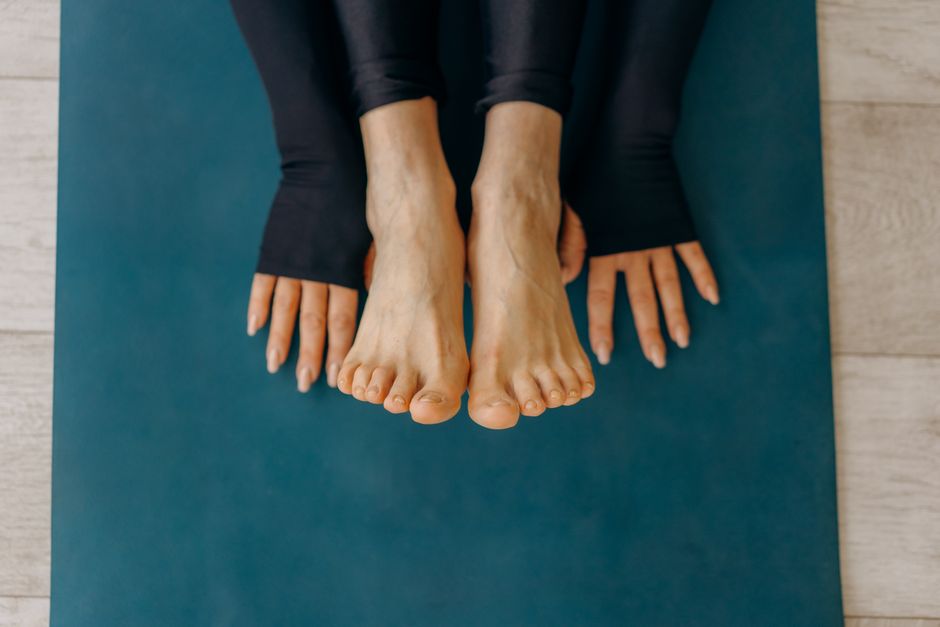
Your feet and ankles are swollen. The skin feels tight. Your shoes do not fit like they did yesterday. This is edema — fluid trapped in the tissues of your lower body. It happens when tiny blood vessels leak fluid and your body cannot drain it fast enough. The causes range from sitting too long to heart failure. The key is knowing which one you are dealing with.
What Causes Edema In Feet And Ankles From Mild To Serious?
Edema is not a disease. It is a symptom. Something else is causing the fluid to build up. For mild cases the cause is often gravity and inactivity. Sitting on a long flight or standing all day at work lets fluid pool in your lower legs. The body normally moves fluid through the lymphatic system and veins. When you do not move the pump slows down.
Pregnancy causes mild edema in many women. The growing uterus presses on veins in the pelvis. Hormonal changes also make blood vessels leakier. This is normal and usually harmless. But sudden severe swelling in pregnancy can be preeclampsia — a serious condition requiring immediate medical attention.
Diet plays a role too. High sodium intake makes your body hold onto water. The kidneys regulate fluid balance. When you eat more salt than they can process the extra sodium pulls water into your bloodstream. That extra volume leaks into tissues. Processed foods are the biggest source of hidden sodium.
Medications cause edema as a side effect. Blood pressure drugs called calcium channel blockers are common culprits. Steroids, NSAIDs like ibuprofen, and some diabetes medications can also trigger swelling. If edema started after a new medication talk to your doctor before stopping it.
| Cause Category | Mild Examples | Serious Examples |
|---|---|---|
| Lifestyle | Long sitting, standing, high salt meal | Chronic inactivity with other risk factors |
| Pregnancy | Third trimester swelling | Sudden severe edema with high blood pressure |
| Medications | Mild ankle swelling from blood pressure drugs | Significant edema affecting daily function |
| Venous problems | Varicose veins with evening swelling | Deep vein thrombosis or chronic venous insufficiency |
| Organ conditions | Occasional mild swelling | Heart failure, kidney disease, liver cirrhosis |
When Is Edema a Sign of Something Serious?
One-sided swelling is a red flag. If only one foot or ankle is swollen the problem is likely in that leg — not your whole body. Deep vein thrombosis or DVT is a blood clot in a deep vein. It can cause pain, warmth, and swelling in one leg. DVT can break loose and travel to your lungs. That is a pulmonary embolism and it can kill you. The CDC reports that DVT affects up to 900,000 people in the US each year.
Sudden widespread swelling is another warning sign. If both legs swell quickly over days or hours it could mean your heart is not pumping well. Heart failure causes fluid backup throughout the body. Your kidneys cannot keep up. Fluid collects in the lowest parts of the body first — feet and ankles. Shortness of breath, especially lying flat, makes this more likely.
Kidney disease causes edema when the kidneys cannot filter waste properly. The face and hands often swell too. Liver disease causes fluid buildup because the liver stops making enough albumin — a protein that keeps fluid in blood vessels. If you have jaundice, belly swelling, or a history of liver problems the edema may be liver-related.
Lymphedema is a different mechanism. The lymphatic system drains fluid from tissues. If lymph nodes are damaged — often from cancer treatment or infection — fluid cannot drain. The swelling feels firmer and does not pit when you press on it. This is chronic and requires specialized management.
What Actually Reduces Edema in Feet and Ankles?
Movement is the most effective first step. Your calf muscles act as a pump. Every step squeezes veins and pushes fluid upward. Walking for five to ten minutes every hour during long sitting breaks the pooling cycle. The American Heart Association recommends regular physical activity for circulation. Even ankle pumps — flexing and pointing your feet while seated — help.
Elevation works because gravity stops fighting you. Lying down with your feet above heart level for 20 minutes several times a day lets fluid drain back into circulation. This is not a cure for the underlying cause but it provides real relief. Sleeping with an extra pillow under your legs can help overnight.
Compression stockings apply graduated pressure. They are tighter at the ankle and looser toward the knee. This pushes fluid upward and prevents pooling. Research published in the Journal of Vascular Surgery found that compression stockings significantly reduce edema in people with chronic venous insufficiency. But they must fit correctly. Over-the-counter stockings are fine for mild cases. Prescription-strength stockings require a measurement by a professional.
Dietary changes help when sodium is the problem. The American Heart Association recommends no more than 2,300 milligrams of sodium per day — ideally 1,500 milligrams for most adults. Cutting processed foods, canned soups, and restaurant meals makes the biggest difference. Drinking more water seems counterintuitive but helps your kidneys flush excess sodium.
- Move regularly — walk or do ankle pumps every hour during long sitting
- Elevate feet — above heart level for 20 minutes several times daily
- Wear compression — graduated stockings fitted properly
- Cut sodium — aim for under 2,300 mg daily from whole foods
- Stay hydrated — water helps kidneys process sodium





What Does Research Show About Edema Treatments?
Diuretics or water pills are commonly prescribed for edema. They make your kidneys excrete more sodium and water. This reduces fluid volume throughout the body. For heart failure or kidney disease this is appropriate treatment. But using diuretics for mild edema from sitting or salt is not supported by evidence. They can cause dehydration, electrolyte imbalances, and kidney strain. The FDA warns against over-the-counter diuretics for weight loss or cosmetic swelling.
Research on leg elevation is clear but limited in scope. A study in the European Journal of Vascular and Endovascular Surgery found that elevation reduced leg volume by about 30 percent in people with chronic venous disease. The effect lasted only while the legs were elevated. Once standing returned the fluid came back. This confirms elevation is a management tool not a cure.
Compression therapy has the strongest evidence for chronic edema. A Cochrane review of randomized trials found that compression stockings reduce edema and prevent recurrence in people with venous ulcers and lymphedema. The key finding is that proper fit matters more than compression level. Poorly fitted stockings cause more harm than good.
Some studies suggest that magnesium supplements may help with premenstrual edema. The evidence is weak. Small studies show modest improvement but larger trials are lacking. Potassium-rich foods like bananas and spinach may counterbalance sodium effects. But no supplement has strong evidence for treating edema from serious causes.
What Should You Avoid When You Have Edema?
Do not sit or stand still for long periods. Blood pools in your legs when your muscles are not moving. If your job requires standing use a footrest and shift weight frequently. If you sit for work stand and walk every hour. Long car or plane trips require breaks to walk the aisle or do leg exercises in your seat.
Do not wear tight clothing or shoes. Restrictive bands around your knees or waist can block fluid return. Shoes that are too tight worsen swelling and can cause skin breakdown. Wear comfortable supportive shoes that accommodate your current foot size — not the size you remember.
Do not self-treat with diuretics from the pharmacy. Some people buy water pills for mild swelling. This is risky. They change your electrolyte balance. Low potassium from diuretics can cause heart arrhythmias. If you need a diuretic a doctor should prescribe it and monitor your blood work.
Do not ignore sudden or severe swelling. Edema that comes on quickly, involves one leg, or comes with chest pain or shortness of breath needs emergency evaluation. Calling your doctor is not overreacting. DVT and heart failure are time-sensitive conditions.
How Do Doctors Diagnose the Cause of Edema?
Your doctor will start with your history and a physical exam. They check if the swelling is pitting or non-pitting. Press your finger into the swollen area for five seconds. If an indentation remains that is pitting edema. This suggests fluid from venous or heart problems. Non-pitting edema feels firm and does not indent. This points to lymphedema or thyroid disease.
Blood tests check kidney function, liver enzymes, and albumin levels. A BNP test measures a protein released by the heart. High levels suggest heart failure. Urinalysis checks for protein or blood that indicates kidney damage. An ultrasound of the leg veins looks for blood clots. An echocardiogram checks heart function if heart failure is suspected.
The cause determines the treatment. Venous insufficiency is managed with compression and movement. Heart failure requires medications like ACE inhibitors and beta blockers. Kidney disease needs blood pressure control and sometimes dialysis. Lymphedema requires manual lymphatic drainage and specialized compression. Treating the cause resolves the edema. Treating only the swelling misses the point.
Frequently Asked Questions
Can dehydration cause edema in feet and ankles?
No. Dehydration does not cause edema. If anything dehydration reduces fluid available to leak into tissues. Edema always involves excess fluid in tissues.
Does drinking more water help reduce edema?
Yes, if high sodium is the cause. Water helps your kidneys flush excess sodium. But drinking more water will not fix edema from heart failure or venous problems.
How long does it take for edema to go down?
Mild edema from sitting or salt usually resolves within 24 hours of elevation and movement. Edema from medical conditions may take weeks of treatment to improve.
Is walking good for swollen ankles?
Yes, walking activates the calf muscle pump and helps move fluid upward. Avoid walking if the swelling is painful or you have a known DVT.
