
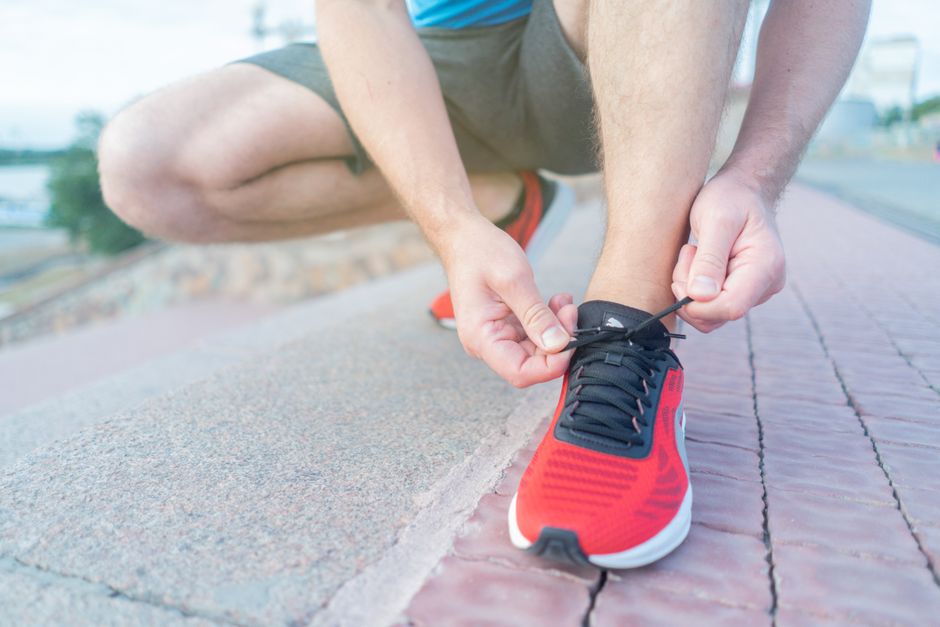
Blisters happen when your foot rubs against your shoe and the friction separates layers of skin. The space fills with fluid to protect the raw tissue underneath. Stopping blisters means stopping that friction before it damages your skin. The most effective approach combines the right socks, the right shoes, and the right protection at the first sign of a hot spot. You do not have to accept blisters as a normal part of breaking in new shoes.
Why Do Shoes Cause Blisters in the First Place?
A blister forms when friction, heat, and moisture work together. Your skin moves against the shoe’s interior, and the repeated rubbing tears the bond between your skin’s outer layer and the layer beneath it. Fluid rushes in to cushion the damaged area. That is the blister you see.
Moisture makes this worse. Sweaty feet create more friction than dry skin does, even though it feels slippery. Wet skin is softer and more fragile, so it tears more easily. This is why the same shoes that feel fine on a cool morning can wreck your feet on a hot day.
Some people are simply more prone to blisters. Thin skin, bony feet, and conditions like bunions or hammertoes create high-pressure points. But for most people, blisters are a fit problem, not a foot problem. The shoe is moving, or your foot is moving inside the shoe, and the rubbing does the damage.
How To Stop Shoes From Blistering Your Feet: The Core Strategy
Prevention starts before you put the shoe on. The single most effective step is choosing the right sock. A thick, moisture-wicking sock creates a barrier between your skin and the shoe. Cotton holds sweat against your skin and increases friction. Synthetic blends — like polyester, nylon, or merino wool — pull moisture away and keep your skin drier.
Fit matters more than most people realize. A shoe that is too big lets your foot slide forward with every step, creating friction at the heel and toes. A shoe that is too small presses your foot against the sides, creating pressure points. Shop for shoes later in the day when your feet are naturally slightly swollen, and wear the socks you plan to use with them.
Lacing technique is an underused tool. If your heel slips, use the heel lock lacing method — thread the top eyelets back through the loops on the same side, then cross and tie as usual. This secures your heel in place and dramatically reduces rubbing. If your toes feel cramped, try a lacing pattern that lifts the toe box slightly by skipping the lower eyelets.
What To Do at the First Sign of a Hot Spot
A hot spot is the warning sign. Your skin feels warm and tender in one spot, but the blister has not formed yet. Acting immediately can stop the process entirely.
Stop and apply a friction barrier. Products like moleskin, blister plasters, or specialized friction balms work well. Moleskin is a padded adhesive that you apply directly to the irritated area — not over a blister once it has formed, but before. Cut it to size and round the corners so it does not peel up. Blister plasters are hydrocolloid dressings that stick firmly and provide cushioning. Friction balms are waxy sticks that reduce rubbing, though they wear off faster than adhesive products.
If you have nothing with you, adjust your sock. Smooth out any wrinkles — a wrinkled sock creates more friction than a smooth one. Retie your shoes to distribute pressure differently. Even a five-minute break to let your foot cool down can make a difference.


Do Blister Plasters and Moleskin Actually Work?
Yes, but they work differently. Moleskin is a preventive tool. It creates a physical barrier between your skin and the shoe, absorbing friction before it reaches your skin. It works best on a clean, dry foot before a hot spot develops.
Hydrocolloid blister plasters work both before and after a blister forms. Before, they cushion the area and reduce friction. After, they create a moist healing environment that protects the raw skin underneath. Research has shown that hydrocolloid dressings speed healing compared to leaving a blister exposed to air.
The key is application. Both products fail when applied to damp or dirty skin. Clean the area, dry it thoroughly, and press the adhesive down firmly. If the product wrinkles or lifts at the edges, it will create new friction points and make things worse.
How To Break In New Shoes Without Getting Blisters
New shoes cause blisters because the materials are stiff and unyielding. Leather, canvas, and synthetic fabrics all soften with wear, but getting there without damage requires patience.
Wear new shoes for short periods — an hour or two at a time — before committing to a full day. This lets your feet and the shoes adapt to each other gradually. Use the prevention strategies above during these trial periods. A hot spot during a short wear is a signal to adjust, not to push through.
Some materials respond well to gentle stretching. Leather can be softened with a leather conditioner, and shoe stretchers can widen tight spots. But do not force it. A shoe that causes pain after several short wears is probably the wrong shape for your foot, not just stiff.
How To Treat a Blister That Has Already Formed
If a blister forms despite your best efforts, resist the urge to pop it. The intact skin over a blister is a natural sterile bandage. It keeps bacteria out and protects the new skin forming underneath. Popping it opens a wound and increases infection risk.
Cover the blister with a hydrocolloid plaster or a plain adhesive bandage if that is what you have. Leave it intact. If the blister is in a spot where it keeps rubbing, the hydrocolloid dressing will cushion it and allow healing to proceed underneath.
There is one exception. If the blister is large, painful, or in a location where it will inevitably burst on its own, draining it under sterile conditions may be reasonable. Wash the area with soap and water, sterilize a needle with rubbing alcohol, puncture the edge of the blister, and let the fluid drain. Leave the top layer of skin in place. Apply antibiotic ointment and a bandage. Watch for signs of infection — redness spreading beyond the blister, warmth, pus, or increasing pain — and see a doctor if these develop.
Do Friction Balms and Powders Help?
Friction balms are waxy products that create a slick layer on your skin. They reduce the coefficient of friction, meaning your skin slides against the shoe instead of grabbing it. Some research supports their use, particularly for runners and hikers who cover long distances.
Powders work differently. They absorb moisture, keeping your feet drier. Dry skin creates less friction than damp skin, so powders can help indirectly. However, powders wear off quickly and need reapplication. They also do not provide cushioning, so they will not help if the problem is a pressure point rather than general rubbing.
Both products are reasonable options, but neither replaces proper socks and proper fit. Think of them as additional tools, not solutions on their own.
When Blisters Signal a Bigger Problem
Recurrent blisters in the same spot, despite good shoes and good socks, can indicate an underlying foot issue. A bunion, a bone spur, or a gait abnormality can create a pressure point that no shoe can fully accommodate. If you get blisters every time you walk more than a mile, or if the same spot blisters repeatedly, consider seeing a podiatrist.
People with diabetes need to be especially careful. Nerve damage can reduce sensation in the feet, meaning you might not feel a hot spot until it becomes a serious wound. Poor circulation can slow healing dramatically. If you have diabetes, inspect your feet daily for redness, blisters, or breaks in the skin, and do not self-treat a blister that is not healing.
Blisters themselves are rarely dangerous for healthy people. But an infected blister can become a serious problem. Fever, red streaks spreading from the blister, or fluid that turns cloudy or yellow are signs of infection that require medical attention.
What Actually Causes Blisters: The Role of Foot Shape
Your foot shape determines where blisters appear. High arches put more pressure on the ball of the foot and the heel. Flat feet create more friction along the inside edge of the shoe. Narrow heels slip and rub against the back of the shoe. Wide forefeet press against the toe box.
Knowing your foot shape helps you choose shoes that fit your specific anatomy. A shoe that works perfectly for someone with a narrow heel and high arch may be miserable for someone with a wide heel and flat arch. Pay attention to where your shoes rub, and look for shoes designed to accommodate your foot type.
Some shoe brands offer different widths. Many people assume they wear a standard width when they actually need a wide or narrow fit. Getting properly measured at a shoe store can be eye-opening. Your foot size can change with age, weight changes, and pregnancy, so do not assume your size from ten years ago is still accurate.
Frequently Asked Questions
What is the fastest way to stop a shoe from rubbing my heel?
Apply a moleskin pad or hydrocolloid blister plaster directly to the irritated area before the blister forms. Also try the heel lock lacing method to keep your foot from sliding forward and rubbing.
Should I pop a blister on my foot?
No. Leave the blister intact and cover it with a bandage or hydrocolloid dressing. Popping it opens the skin to infection and slows healing.
Do cotton socks cause blisters?
Cotton holds moisture against your skin, which increases friction and makes blisters more likely. Moisture-wicking socks made of synthetic blends or merino wool are better choices for preventing blisters.
How long does it take for new shoes to stop causing blisters?
Most shoes soften significantly within a few days to two weeks of regular short wear. If a shoe still causes blisters after consistent wear over several weeks, it is likely the wrong fit for your foot.
